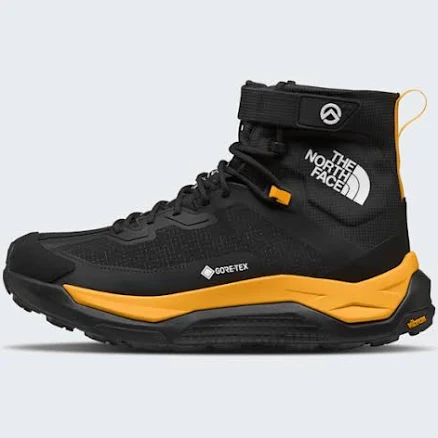
The North Face · Waterproof Boots
The North Face Summit Fastpack GORE-TEX Hiking Boot
Moderate PFAS concern from GORE-TEX membrane without disclosure.
The North Face doesn't disclose PFAS in these boots. GORE-TEX's membrane is Teflon-type coating-based, a Teflon-family coating. While Teflon-type coating itself has low migration risk, it's typically bonded with PFAS-containing adhesives and coatings. No PFAS-free claim exists.
Still want this one anyway? Check the price on Amazon. We’d swap it.
Material
GORE-TEX membrane (polytetrafluoroethylene-based waterproof layer) + nylon/synthetic upper
Lab data
No public lab test
You may also be interested in
Top-graded picks in the categories readers replace first, every one scored on the same rubric.

- polypropylene filter housing, carbon/sediment cartridge
- We found no PFAS statement from the brand
- Bacterial growth in spent cartridges
3 hazards checked on this product, all on its full breakdown.

Aquasure
Premier Series 75 GPD Under Sink Reverse Osmosis Water Filtration System
- RO membrane, carbon filters, stainless steel housing
- We found no PFAS statement from the brand
- Bacterial and microbial growth in housing and filters
4 hazards checked on this product, all on its full breakdown.

Avocado
Vegan Mattress
- organic cotton, natural latex, coconut coir, recycled steel coils
- The brand calls it PFAS-free, which we have not verified
- Heavy metals
2 hazards checked on this product, all on its full breakdown.
What The North Face Summit Fastpack Hiking Boot is made of, ingredients and materials
The Summit Fastpack pairs a nylon/synthetic textile upper with a GORE-TEX membrane, a microporous polytetrafluoroethylene (Teflon-type coating) layer bonded to fabric. GORE-TEX provides waterproofing by blocking water droplets while allowing vapor transmission; the nylon upper adds durability and shape retention. The boot likely uses polyurethane or similar synthetic adhesives and possibly polyester lining. None of these materials release hazardous fumes during normal wear, but the Teflon-type coating base of GORE-TEX involves fluorinated chemistry with known PFAS content in production and coatings (separate assessment).
What’s concerning
Category baseline
The starting point for this type of product, before anything specific to this product is counted.
No PFAS disclosure
No public statement from the brand about PFAS in this product.
Waterproof / stain-resistant treatment
Water-repellent coating treatments have historically used PFAS.
Adhesive volatiles and off-gassing
Polyurethane or epoxy adhesives bonding the GORE-TEX layer and sole can release volatile organic compounds (VOCs) during the first weeks of wear, especially in warm conditions. This is typical of synthetic boots and not specific to North Face, but new boots should be aired outdoors before extended indoor storage.
Dye and pigment stability in synthetic textiles
The nylon upper may use azo dyes or reactive dyes common in outdoor textiles; no North Face recall or adverse reports exist for this product line. Azo dyes in well-established brands are subject to regulatory limits, but fade and color transfer in new boots does not indicate a hazard, only minor dye migration during washing.
Thermal degradation of GORE-TEX bonding under extreme heat
GORE-TEX membranes can degrade if heated above 65-70 degrees Celsius (150-158 F), a threshold unlikely during normal hiking but possible if boots are dried very close to heat sources or left in closed vehicles in summer. This degrades waterproofing and breathability but does not release acute toxins; it is a durability issue, not an acute health hazard.
What’s reassuring
Nylon and synthetic textile degradation
The nylon upper does not leach chemicals under normal use. Nylon is stable in contact with skin and does not break down to microplastics from hiking wear; only machine washing or abrasion against sharp rocks poses minimal microfiber shedding risk, negligible compared to synthetic apparel.
Heavy metals
The insole and midsole foam (likely ethylene vinyl acetate or polyurethane) do not accumulate or leach cadmium or lead under normal foot contact. No public testing or recalls link North Face boots to metal contamination. Standard industry practice for outdoor footwear excludes heavy metal stabilizers in these foam components.
Source, FDA ↗How is this PFAS grade calculated?
The brand's record and disclosure
The North Face (owned by VF Corporation) has not publicly disclosed specific PFAS phase-out timelines or testing data for individual boot lines. VF Corporation committed in 2021 to eliminate PFOA and related long-chain PFAS by 2025, but implementation across product lines remains opaque. The brand maintains no dedicated consumer transparency portal for PFAS levels in footwear. Certifications like Gore-Tex Pro are performance-based, not chemical safety certifications.
How it compares in its category
Most premium waterproof hiking boots (Salomon, Merrell, Scarpa) similarly use GORE-TEX or competing membranes like eVent or proprietary synthetic barriers; PFAS exposure is category-wide, not specific to this model. Non-membrane alternatives (leather-based, waxed canvas hybrids) reduce PFAS but sacrifice breathability and durability. The Summit Fastpack's synthetic upper avoids leather tanning chemicals and heavy metal dyes found in leather boots, a relative advantage. Price and performance place it mid-to-premium; cheaper boots may use lower-grade adhesives with higher VOC off-gassing, while ultralight alternatives omit membranes entirely.
If you buy it
Condition boots with silicone-based (not fluorocarbon) water repellents every 6-12 months to maintain the GORE-TEX breathability without compounding PFAS exposure. Avoid heat sources (direct sun during storage, radiators) as excessive warmth can degrade synthetic adhesives. Inspect seams and the toe cap annually; separation is a replacement trigger, as delamination compromises waterproofing and repair is rarely cost-effective. Allow 24-48 hours air-dry after wet use; machine washing voids warranty and risks membrane damage. Expected lifespan is 2-4 years of regular hiking; retire when the sole shows significant wear or insole compression, not just because of age.
What is not known about PFAS in this product?
- Basis
- Model estimate, 62% confidence, not a lab result
- Lab test
- None on record for this exact product
- Brand statement
- The North Face has made a specific claim
Formulations change between production runs, so check the current label. How we grade.
What are the PFAS-free alternatives to The North Face Summit Fastpack GORE-TEX Hiking Boot?
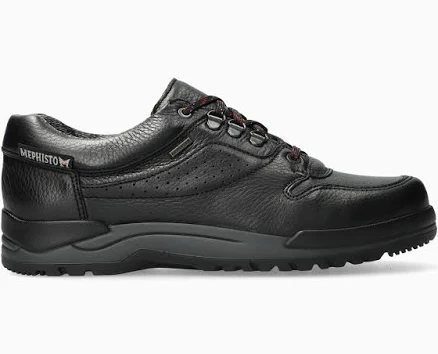
- leather, textile, rubber sole
- We found no PFAS statement from the brand
- Volatile organic compounds (VOC) off-gassing from adhesives
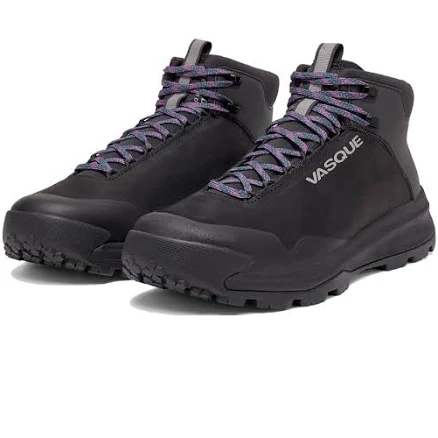
- Leather/nubuck upper, synthetic/rubber sole, no coating disclosed
- We found no PFAS statement from the brand
- Azo dyes (leather/textile coloring)
4 hazards checked on this product, all on its full breakdown.
Find an alternative on AmazonMore waterproof boots grades
How we score, every product runs through the same public 0-100 rubric based on materials, coatings, brand disclosure, lab findings, and recalls. See the full methodology → Spotted a mistake? Report an error.