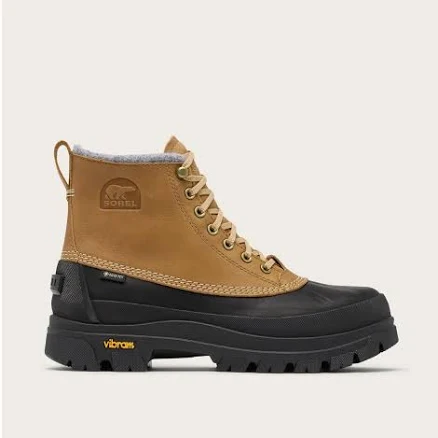
Sorel Men's Daystorm Horizon GTX
Waterproof hiking boot. PFAS risk unclear, GTX membrane typical source.
Sorel does not disclose PFAS treatment details. Gore-Tex waterproof membranes often contain PFAS; verification needed from brand or third-party testing. No public lab data available.
Still want this one anyway? Check the price on Amazon. We’d swap it.
Material
Leather, textile upper with GTX waterproof membrane
Brand disclosure
Brand is silent on PFAS
Lab data
No public lab test
What Sorel Men's Daystorm Horizon GTX is made of, ingredients and materials
The Daystorm Horizon GTX combines leather upper with textile lining and a Gore-Tex (GTX) waterproof membrane sandwiched into the structure. Leather itself is stable when properly tanned, but the GTX membrane is almost certainly treated with fluorochemical water repellents (PFAS compounds) to function, this is the industry standard for breathable waterproof layers. The textile components may carry dye residues and finishing treatments applied during manufacture.
What’s concerning
Waterproof / stain-resistant treatment
Water-repellent coating treatments have historically used PFAS.
Category baseline
The starting point for this type of product, before anything specific to this product is counted.
No PFAS disclosure
No public statement from the brand about PFAS in this product.
PFAS
Gore-Tex waterproof layers are treated with fluorochemicals (typically C6 or legacy C8 PFAS) to achieve water repellency while allowing breathability. No published test data exists for this specific model, but the material class makes exposure nearly certain during wear, especially if the membrane degrades or the boot is washed.
Source, ATSDR ↗Azo dyes in textile lining and leather dyes
Leather and textile uppers may be dyed with azo colorants; some azo dyes break down into carcinogenic amines. Sorel does not disclose dye chemistry. Risk is low during normal wear (no ingestion), but higher if lining material is chewed or if dyes leach into sweat on skin during extended wear in warm conditions.
Formaldehyde / VOCs
Leather finishing often includes formaldehyde-releasing resin treatments for water and stain resistance. Off-gassing is typically minimal after the curing phase, but new boots may emit low levels of formaldehyde odor for the first weeks of wear and storage.
Source, ATSDR ↗Microplastics
Gore-Tex membranes are polytetrafluoroethylene (Teflon-type coating), a plastic. If the boot is worn extensively in high-friction conditions or if the membrane delaminates, small particles may shed into soil or water. Risk is low for normal hiking use but increases after years of wear or damage.
Source, EPA ↗What’s reassuring
Cadmium
Modern leather tanning typically uses chromium(III), which is stable in finished leather and poses minimal skin contact risk. Sorel does not disclose tanning methods or heavy metal testing; however, established leather safety data suggests this hazard is low for premium boot manufacturers.
Source, ATSDR ↗The full breakdown
The brand's record and disclosure
Sorel (owned by Columbia Sportswear) does not publicly disclose PFAS reduction commitments or phase-out timelines for its waterproof footwear lines, unlike some outdoor peers. The company has not published third-party test results for PFAS in finished boots. Sorel maintains general environmental statements but does not address fluorochemical use specifically in consumer communications or sustainability reports.
How it compares in its category
Most Gore-Tex waterproof boots in this price and performance tier contain PFAS in the membrane and likely in water-repellent treatments on the upper. Sorel's silence mirrors industry practice, but competitors like Salomon and Danner have begun disclosing PFAS phase-out efforts or testing. Non-membrane alternatives (rubber-lined boots, or fully synthetic with Teflon-type coating-free water repellents) exist but are rarer in premium hiking footwear.
If you buy it
Store in a cool, dry place away from direct heat, which can degrade the membrane. Clean with mild soap and water only; avoid harsh solvents or machine washing. Inspect the seal where upper meets sole annually; if it cracks or peels, water will penetrate and the boot becomes unsafe on wet terrain. Do not expose to prolonged direct sunlight, which ages leather and synthetic components. Replacement is justified when the membrane fails, not the leather alone.
What we don’t know
- Basis
- Model estimate, 55% confidence, not a lab result
- Lab test
- None on record for this exact product
- Brand statement
- SOREL has made none
Formulations change between production runs, so check the current label. How we grade.
Better-graded alternatives in Waterproof Boots
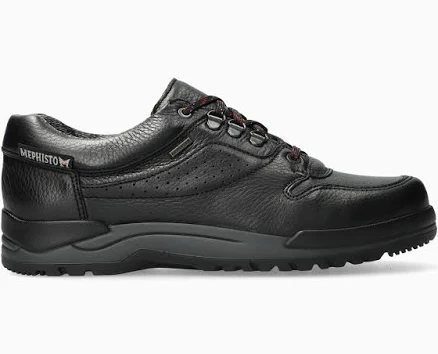
Mephisto
Men Mephisto Curt Mt SNEAKER
- leather, textile, rubber sole
- We found no PFAS statement from the brand
- Volatile organic compounds (VOC) off-gassing from adhesives
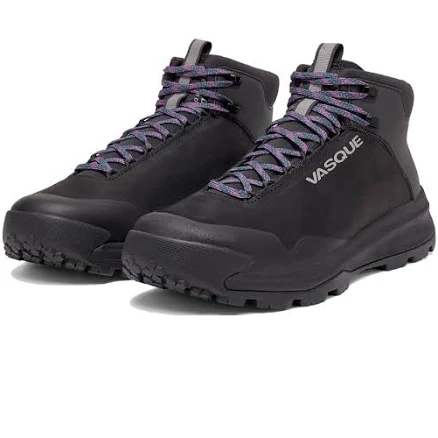
Vasque
Hiking shoes Vasque Women's Horizon Mid
- Leather/nubuck upper, synthetic/rubber sole, no coating disclosed
- We found no PFAS statement from the brand
- Azo dyes (leather/textile coloring)
4 hazards checked on this product. See all of them.
More waterproof boots grades
How we score, every product runs through the same public 0-100 rubric based on materials, coatings, brand disclosure, lab findings, and recalls. See the full methodology → Spotted a mistake? Report an error.