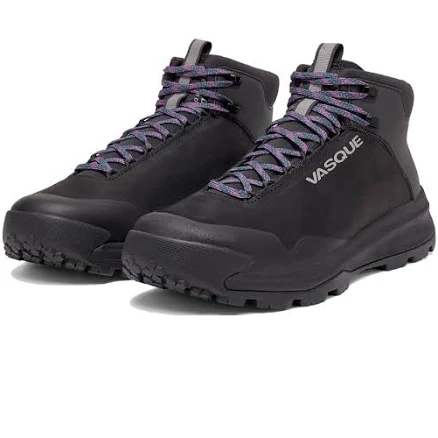
Hiking shoes Vasque Women's Horizon Mid
No coating described, and no PFAS statement from the brand.
The product information we reviewed describes leather/nubuck upper, synthetic/rubber sole, no coating disclosed, with no water-repellent coating named. Water resistance on products like this usually comes from the material and its seals rather than a surface treatment. The brand has published no PFAS statement for it.
Still want this one anyway? Check the price on Amazon. We’d swap it.
Material
Leather/nubuck upper, synthetic/rubber sole, no coating disclosed
Brand disclosure
Brand is silent on PFAS
Lab data
No public lab test
You may also be interested in
Top-graded picks in the categories readers replace first, every one scored on the same rubric.

- polypropylene filter housing, carbon/sediment cartridge
- We found no PFAS statement from the brand
- Bacterial growth in spent cartridges
3 hazards checked on this product, all on its full breakdown.

Aquasure
Premier Series 75 GPD Under Sink Reverse Osmosis Water Filtration System
- RO membrane, carbon filters, stainless steel housing
- We found no PFAS statement from the brand
- Bacterial and microbial growth in housing and filters
4 hazards checked on this product, all on its full breakdown.

Avocado
Vegan Mattress
- organic cotton, natural latex, coconut coir, recycled steel coils
- The brand calls it PFAS-free, which we have not verified
- Heavy metals
2 hazards checked on this product, all on its full breakdown.
What Hiking shoes Vasque Women's Horizon Mid is made of, ingredients and materials
Vasque Horizon Mid combines leather or nubuck uppers with a synthetic/rubber sole and no disclosed waterproofing coating. Leather is a protein-based material without the coating hazards (Teflon-type coating fume release, ceramic lead) that affect coated cookware or synthetic textile boots. Rubber soles are thermoplastic and do not off-gas volatile organics at the levels typical of foam or glued assemblies when properly cured. The lack of a named waterproofing treatment (membrane, wax, or chemical finish) means no residual PFAS coating or formaldehyde-releasing resin is evident from available product labeling.
What’s concerning
Category baseline
The starting point for this type of product, before anything specific to this product is counted.
No PFAS disclosure
No public statement from the brand about PFAS in this product.
Azo dyes (leather/textile coloring)
Leather and synthetic components are typically dyed. No test results for this model are on record. EU and brand-level azo restrictions have been in place for years, but independent verification for Vasque production is not public. If dyes meet standard industry compliance, risk is low; unverified sourcing increases concern.
Heavy metals
Leather tanning and dyeing historically involve chromium salts and iron oxides. Chromium III is the standard industrial form and is not classified as a carcinogen at typical exposure levels in footwear contact. No recall or test result for this product is documented. Modern tanneries in developed regions are regulated, but supply chain transparency from Vasque is absent.
Source, FDA ↗Degradation of synthetic components over time
Synthetic linings, foam padding, or adhesives may break down after extended wet exposure or UV exposure, releasing microfibers or volatile residues. This is a material-class property of any boot, not specific to this model. Care and storage habits directly control the rate of degradation.
Bacterial or fungal growth from moisture retention
Nubuck and leather are porous and can trap moisture in linings and padding if not dried thoroughly. This creates an environment for odor-causing bacteria or mold, not a toxicological hazard, but a maintenance issue. Use of antimicrobial or antifungal treatments (if applied by the brand) could introduce concern, but none is disclosed for this model.
What’s reassuring
Base material not linked to PFAS
The main material recorded for this product is not one associated with PFAS.
Formaldehyde / VOCs
If uppers include synthetic overlays or binding resins, formaldehyde releasers could be present. No disclosure of synthetic type or adhesive composition is available. Leather-dominant uppers and standard boot assembly carry lower formaldehyde risk than fully synthetic textiles, but absence of disclosure means no baseline for comparison.
Source, ATSDR ↗How is this PFAS grade calculated?
The brand's record and disclosure
Vasque (owned by Red Wing) does not publish detailed material safety or chemical disclosures on product pages or in marketing. No independent certifications (Bluesign, LWG, GOTS, OEKO-TEX) are on record for this model. The brand has not issued public statements on PFAS or restricted substance policies. This silence reflects a gap in transparency rather than a known safety failure, but limits third-party verification of supply chain practices.
How it compares in its category
Waterproof hiking boots typically rely on membranes (Gore-Tex, eVent) or chemical water-repellent treatments, both potential PFAS sources. This product's undisclosed waterproofing method is unusual; leather's natural hydrophobic character may provide moderate water resistance without added coating. Competitors with explicit synthetic uppers or PFC-treated membranes carry higher documented PFAS or off-gassing potential. Without disclosed treatment, this boot sits in a middle position where performance claims are harder to verify but material-class toxicity is lower than synthetic-heavy alternatives.
If you buy it
Leather uppers require occasional conditioning with wax or oil-based products; verify the conditioner's ingredient list if you have fragrance sensitivity or prefer low-VOC care. Do not expose to sustained heat above 50-60°C (122-140°F), as synthetic layers and adhesives may degrade. Inspect the sole bond and upper stitching annually for separation or mold, especially if stored damp; replace when structural integrity is compromised. Allow wet boots to air-dry away from direct heat or sunlight; this extends material life and prevents accelerated breakdown.
What is not known about PFAS in this product?
- Basis
- Model estimate, 45% confidence, not a lab result
- Lab test
- None on record for this exact product
- Brand statement
- Vasque has made none
Formulations change between production runs, so check the current label. How we grade.
More waterproof boots grades
How we score, every product runs through the same public 0-100 rubric based on materials, coatings, brand disclosure, lab findings, and recalls. See the full methodology → Spotted a mistake? Report an error.