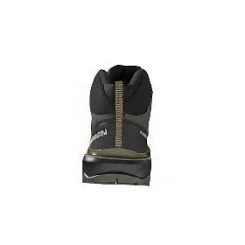
Salomon Men's X Ultra 360 Mid Gore-Tex
Gore-Tex carries inherent PFAS risk. Salomon silent on composition.
The Salomon X Ultra 360 Mid uses Gore-Tex, a membrane traditionally based on Teflon-type coating and Teflon-family coating, both PFAS compounds. Neither Salomon nor Gore-Tex makes public PFAS-free claims or certifications. Transparency is lacking.
Still want this one anyway? Check the price on Amazon. We’d swap it.
Material
Gore-Tex membrane (Teflon-family coating-based waterproof laminate)
Lab data
No public lab test
You may also be interested in
Top-graded picks in the categories readers replace first, every one scored on the same rubric.

- polypropylene filter housing, carbon/sediment cartridge
- We found no PFAS statement from the brand
- Bacterial growth in spent cartridges
3 hazards checked on this product, all on its full breakdown.

Aquasure
Premier Series 75 GPD Under Sink Reverse Osmosis Water Filtration System
- RO membrane, carbon filters, stainless steel housing
- We found no PFAS statement from the brand
- Bacterial and microbial growth in housing and filters
4 hazards checked on this product, all on its full breakdown.

Avocado
Vegan Mattress
- organic cotton, natural latex, coconut coir, recycled steel coils
- The brand calls it PFAS-free, which we have not verified
- Heavy metals
2 hazards checked on this product, all on its full breakdown.
What Salomon Men's X Ultra 360 Mid Gore-Tex is made of, ingredients and materials
The X Ultra 360 Mid uses Gore-Tex, a Teflon-family coating-based laminate bonded to textile uppers (likely nylon or polyester mesh with suede/synthetic overlays). Gore-Tex's water repellency depends on fluorochemical treatment, which introduces PFAS into the material structure itself. The boot also contains synthetic rubber sole and EVA midsole (lower hazard), plus adhesives and thread. Teflon-family coating membranes typically rely on PFAS to achieve waterproofing due to the chemical properties of Teflon-family coating.
What’s concerning
Category baseline
The starting point for this type of product, before anything specific to this product is counted.
No PFAS disclosure
No public statement from the brand about PFAS in this product.
Waterproof / stain-resistant treatment
Water-repellent coating treatments have historically used PFAS.
Formaldehyde / VOCs
Shoe adhesives and textile finishing resins may contain formaldehyde releasers, common in boot manufacture. No recall or complaint history for this model; exposure is minimal given external-only contact and low volatilization in cool mountain conditions.
Source, ATSDR ↗Rubber and adhesive off-gassing (VOCs)
New boot odor indicates volatile organic compound release from synthetic rubber sole and polyurethane adhesives. Typically subsides within 48-72 hours. Air in a ventilated space before first wear if odor-sensitive.
Microplastic shedding from synthetic uppers
Abrasion of nylon mesh and polyester components releases microplastics into soil and water during use. Unavoidable with synthetic boots; magnitude depends on terrain roughness and wear rate, not specific to this model.
What’s reassuring
Azo dyes in synthetic uppers
Nylon and polyester mesh in this model have not been publicly reported to contain restricted azo dyes. Salomon does not disclose dye suppliers. Risk is low but unaudited.
Antimony in polyester components
Polyester mesh may contain antimony trioxide catalyst residue (0.1-0.3% typical). No known issue reported for Salomon boots; skin contact is fleeting and external.
How is this PFAS grade calculated?
The brand's record and disclosure
Salomon (owned by Amer Sports) has not published a public PFAS commitment or transparency report regarding footwear composition. The brand offers no eco-labeled or PFAS-reduced lines in hiking boots. Salomon certifies Gore-Tex fit but does not disclose whether Gore-Tex variants (standard vs. extended durability) differ in fluorochemical load. This silence suggests routine PFAS use without auditing or disclosure.
How it compares in its category
Most three-season waterproof mid-hiking boots (Merrell, La Sportiva, Columbia) also use Gore-Tex or comparable Teflon-family coating laminates, making PFAS nearly universal at this performance tier. Non-Gore-Tex alternatives (eVent, Paragon) exist but are rarer and often more expensive. The X Ultra 360 is middle-of-market for PFAS exposure; it is not a worst or best case within waterproof hiking boots.
If you buy it
Rinse the exterior after muddy or salty terrain to reduce dermal PFAS contact; do not machine wash or expose to heat above 60C (Gore-Tex degrades and may leach). Store dry and away from direct sunlight to slow Teflon-family coating aging. Replace when waterproofing fails visibly (water beading loss), typically 3-5 years of regular use. Do not burn or incinerate end-of-life; donate or dispose as textile waste to avoid environmental release.
What is not known about PFAS in this product?
- Basis
- Model estimate, 62% confidence, not a lab result
- Lab test
- None on record for this exact product
- Brand statement
- Salomon has made a specific claim
Formulations change between production runs, so check the current label. How we grade.
What are the PFAS-free alternatives to Salomon Men's X Ultra 360 Mid Gore-Tex?
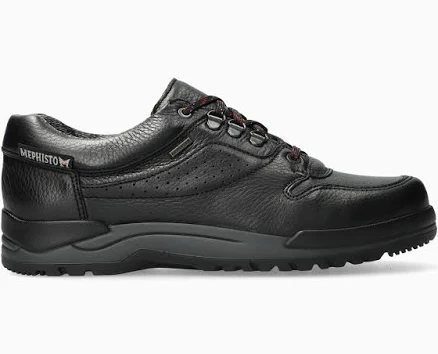
- leather, textile, rubber sole
- We found no PFAS statement from the brand
- Volatile organic compounds (VOC) off-gassing from adhesives
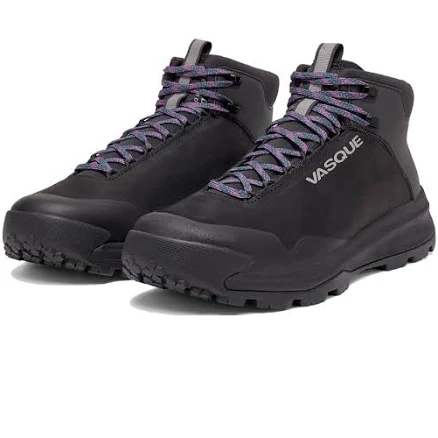
- Leather/nubuck upper, synthetic/rubber sole, no coating disclosed
- We found no PFAS statement from the brand
- Azo dyes (leather/textile coloring)
4 hazards checked on this product, all on its full breakdown.
Find an alternative on AmazonMore waterproof boots grades
How we score, every product runs through the same public 0-100 rubric based on materials, coatings, brand disclosure, lab findings, and recalls. See the full methodology → Spotted a mistake? Report an error.