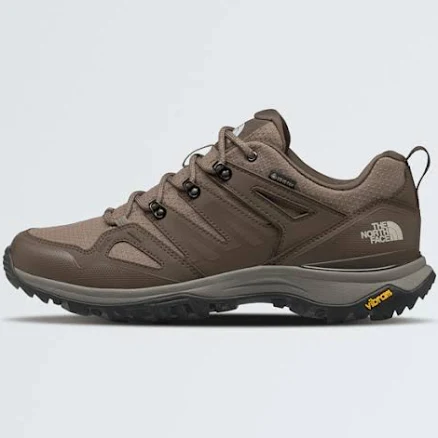
The North Face · Waterproof Boots
The North Face Men's Hedgehog GORE-TEX Hiking Shoes
Elevated concern from GORE-TEX membrane material and water-repellent treatment.
The North Face has no PFAS statement on record for this shoe. The GORE-TEX membrane is a polytetrafluoroethylene-based material, and water-repellent coating treatments have historically used PFAS. No certifications are on record.
Still want this one anyway? Check the price on Amazon. We’d swap it.
Material
GORE-TEX membrane (polytetrafluoroethylene-based) with textile upper
Lab data
No public lab test
You may also be interested in
Top-graded picks in the categories readers replace first, every one scored on the same rubric.

- polypropylene filter housing, carbon/sediment cartridge
- We found no PFAS statement from the brand
- Bacterial growth in spent cartridges
3 hazards checked on this product, all on its full breakdown.

Aquasure
Premier Series 75 GPD Under Sink Reverse Osmosis Water Filtration System
- RO membrane, carbon filters, stainless steel housing
- We found no PFAS statement from the brand
- Bacterial and microbial growth in housing and filters
4 hazards checked on this product, all on its full breakdown.

Avocado
Vegan Mattress
- organic cotton, natural latex, coconut coir, recycled steel coils
- The brand calls it PFAS-free, which we have not verified
- Heavy metals
2 hazards checked on this product, all on its full breakdown.
What The North Face Men's Hedgehog Hiking Shoes is made of, ingredients and materials
The Hedgehog uses GORE-TEX membrane bonded to a textile upper (typically nylon or polyester blend) with rubber sole. GORE-TEX is a microporous Teflon-type coating-based film that provides water resistance without breathable-coating alternatives like polyurethane or polyether polyols. Teflon-type coating itself does not off-gas under normal hiking conditions, but the manufacturing and disposal pathway of GORE-TEX products involves PFAS chemistry. The textile upper avoids synthetic rubber sole volatilization issues, making the primary chemical concern PFAS-linked rather than VOC-based.
What’s concerning
Category baseline
The starting point for this type of product, before anything specific to this product is counted.
No PFAS disclosure
No public statement from the brand about PFAS in this product.
Waterproof / stain-resistant treatment
Water-repellent coating treatments have historically used PFAS.
PFAS
GORE-TEX is inherently PFAS-based; while Teflon-type coating itself is chemically inert in normal wear, production and disposal pathways involve fluorinated chemistry linked to PFOS/PFOA precursors. Skin contact during normal use poses minimal acute risk, but environmental persistence and bioaccumulation are documented concerns.
Source, ATSDR ↗Azo dyes in textile upper
Standard synthetic textile uppers (nylon/polyester blends) in hiking footwear may contain azo dyes; while The North Face holds some bluesign affiliation limiting certain azo compounds, no product-specific restricted substance list is publicly available. Risk is low during wear but elevated during manufacture for workers and in disposal.
Antimony in polyester components
If the textile upper uses polyester (common in North Face footwear), antimony trioxide catalysts may be present at low residual levels. No recalls or reported contamination in Hedgehog models; risk during normal use is negligible but relevant to long-term environmental burden.
Adhesive/solvent residues in lamination
GORE-TEX membrane bonding to textile involves industrial adhesives that may off-gas volatile organic compounds during the first weeks of use or in high-heat conditions. This is typically mild but noticeable in enclosed spaces; airing the boots outdoors reduces exposure.
What’s reassuring
Formaldehyde / VOCs
The North Face does not appear to use formaldehyde-based water repellents on this line, having largely adopted fluorocarbon alternatives; no product-specific testing or recalls suggest residual formaldehyde contamination.
Source, ATSDR ↗How is this PFAS grade calculated?
The brand's record and disclosure
The North Face has not published formal PFAS phase-out commitments or supplier transparency reports specific to GORE-TEX products as of available public records. The brand does hold some sustainability certifications (bluesign, limited Cradle-to-Cradle) but these do not explicitly exclude PFAS in waterproof membranes. Parent company VF Corporation has made incremental sustainability pledges but lacks detailed PFAS-specific disclosure for footwear lines. Industry-wide, The North Face lags behind competitors like Patagonia in transparency around water-repellent chemistry.
How it compares in its category
GORE-TEX remains the market benchmark for waterproof-breathable hiking boots, but alternatives exist, polyurethane-based membranes (lower PFAS footprint but less durability), eVent fabric (similar PFAS profile to GORE-TEX), and purely mechanical waterproofing (heavier, less breathable). The Hedgehog's construction quality and durability are typical of North Face mid-range offerings. If PFAS avoidance is the priority, fully synthetic rubber or fabric-only boots from brands like Salomon or Lowa offer PFAS-free designs, though with trade-offs in breathability or weight.
If you buy it
Avoid prolonged heat exposure above 65°C (150°F) when washing; hand-wash or use a gentle machine cycle with cool water. Apply PFAS-based water-repellent treatments sparingly and only when the factory finish visibly degrades (typically 2-3 years of heavy use); this minimizes secondary PFAS accumulation. Inspect the GORE-TEX lamination seam annually for peeling; delamination does not release PFAS but signals replacement need. Store in a dry environment to prevent microbial growth in the membrane pores.
What is not known about PFAS in this product?
- Basis
- Model estimate, 62% confidence, not a lab result
- Lab test
- None on record for this exact product
- Brand statement
- The North Face has made a specific claim
Formulations change between production runs, so check the current label. How we grade.
What are the PFAS-free alternatives to The North Face Men's Hedgehog GORE-TEX Hiking Shoes?
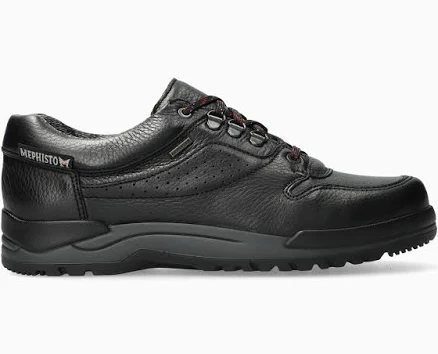
- leather, textile, rubber sole
- We found no PFAS statement from the brand
- Volatile organic compounds (VOC) off-gassing from adhesives
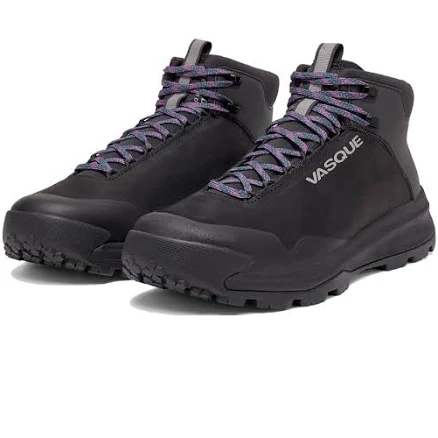
- Leather/nubuck upper, synthetic/rubber sole, no coating disclosed
- We found no PFAS statement from the brand
- Azo dyes (leather/textile coloring)
4 hazards checked on this product, all on its full breakdown.
Find an alternative on AmazonMore waterproof boots grades
How we score, every product runs through the same public 0-100 rubric based on materials, coatings, brand disclosure, lab findings, and recalls. See the full methodology → Spotted a mistake? Report an error.