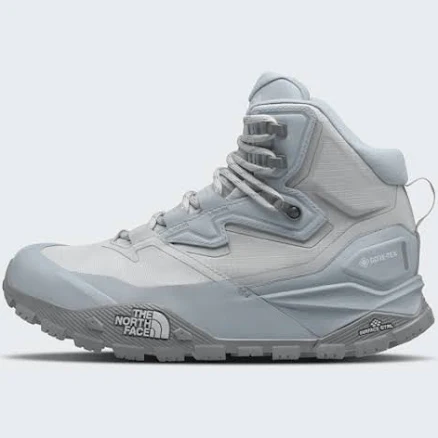
The North Face · Waterproof Boots
The North Face Women's Offtrail Hike LT Mid Gore-Tex Hiking Boots
Gore-Tex boots inherently carry PFAS risk. Approach with caution.
Gore-Tex is a Teflon-family coating membrane engineered for waterproofing and widely recognized to contain PFAS compounds. The North Face makes no PFAS commitment or disclosure. Contact the brand or seek non-membrane alternatives.
Still want this one anyway? Check the price on Amazon. We’d swap it.
Material
Gore-Tex membrane (Teflon-family coating-based waterproof layer)
Lab data
No public lab test
You may also be interested in
Top-graded picks in the categories readers replace first, every one scored on the same rubric.

- polypropylene filter housing, carbon/sediment cartridge
- We found no PFAS statement from the brand
- Bacterial growth in spent cartridges
3 hazards checked on this product, all on its full breakdown.

Aquasure
Premier Series 75 GPD Under Sink Reverse Osmosis Water Filtration System
- RO membrane, carbon filters, stainless steel housing
- We found no PFAS statement from the brand
- Bacterial and microbial growth in housing and filters
4 hazards checked on this product, all on its full breakdown.

Avocado
Vegan Mattress
- organic cotton, natural latex, coconut coir, recycled steel coils
- The brand calls it PFAS-free, which we have not verified
- Heavy metals
2 hazards checked on this product, all on its full breakdown.
What The North Face Women's Hiking Boots is made of, ingredients and materials
These boots use Gore-Tex, a Teflon-family coating-based membrane bonded to textile layers to repel water while allowing vapor escape. The Teflon-family coating chemistry that makes Gore-Tex water-resistant is the source of PFAS compounds, which are persistent in the environment and bioaccumulate in human tissue. The outer upper is likely synthetic leather or nylon with polyurethane backing; the insole and midsole may contain adhesives and foam that off-gas volatile compounds, especially when wet or heated. No public testing has documented specific PFAS variants in The North Face's boots, but the material class carries this risk by design.
What’s concerning
Category baseline
The starting point for this type of product, before anything specific to this product is counted.
No PFAS disclosure
No public statement from the brand about PFAS in this product.
Waterproof / stain-resistant treatment
Water-repellent coating treatments have historically used PFAS.
Teflon-type coating/Teflon-family coating degradation and microparticle release
Gore-Tex membrane can degrade under mechanical stress, UV exposure, or heat, potentially releasing Teflon-type coating particles. No studies confirm microparticle inhalation risk from worn hiking boots specifically, but degraded waterproof textiles are a plausible source.
Adhesive and polyurethane off-gassing
The bond between Gore-Tex and backing layers, and polyurethane midsole, can emit volatile organic compounds (VOCs) especially if boots are wet or heated. Intensity is highest during first wear and after prolonged storage; well-ventilated use minimizes inhalation.
Mold and bacterial growth in insole padding or collar
Repeated wet use and warm foot environment can promote fungal or bacterial colonization of foam padding and textile linings, especially if boots are not fully dried between uses. This is a hygiene risk, not a chemical hazard, but becomes likely with poor maintenance.
What’s reassuring
Formaldehyde / VOCs
The North Face does not disclose use of formaldehyde-based dyes or finishes in this boot. No recall or test result documents contamination, but synthetic leather and nylon uppers may contain residual formaldehyde from manufacturing.
Source, ATSDR ↗Azo dyes in colored textiles
The boot's colored synthetic upper may use azo dyes; restricted azo dyes are banned in EU footwear, but US regulation is weaker. The North Face does not certify this product against azo dye limits.
How is this PFAS grade calculated?
The brand's record and disclosure
The North Face has not published specific PFAS content data for this product or its waterproof boot line. The parent company (VF Corporation) committed in 2020 to phasing PFAS in textile manufacturing, but implementation timelines and verification remain opaque. No recall or safety advisory exists for these boots. The brand does not certify this product against PFAS levels or disclose which PFAS-free alternatives (if any) exist in comparable models.
How it compares in its category
Most premium waterproof hiking boots (Salomon, Merrell, KEEN) also use Gore-Tex or similar Teflon-family coating membranes, so PFAS risk is category-wide rather than brand-specific. Some brands (Patagonia, Altra) have tested or committed to lower-PFAS alternatives, though performance trade-offs and availability are limited. Non-Gore-Tex waterproof boots exist (waxed leather, polyurethane coatings) but sacrifice breathability and durability in comparable price ranges. The North Face boots occupy the middle ground, reliable Gore-Tex performance without transparency.
If you buy it
Wear them in dry conditions first and allow 24-48 hours for any initial off-gassing before extended use. Clean the exterior after muddy or salty terrain to prevent adhesive or membrane degradation; do not machine wash or expose to heat sources (dryers, direct sun). Inspect the sole bond and upper stitching annually for separation; once delamination or cracking begins, discontinue use rather than attempt repair, as breakdown increases microparticle shedding. Replace every 300-500 miles or when structural integrity visibly declines.
What is not known about PFAS in this product?
- Basis
- Model estimate, 62% confidence, not a lab result
- Lab test
- None on record for this exact product
- Brand statement
- The North Face has made a specific claim
Formulations change between production runs, so check the current label. How we grade.
What are the PFAS-free alternatives to The North Face Women's Offtrail Hike LT Mid Gore-Tex Hiking Boots?
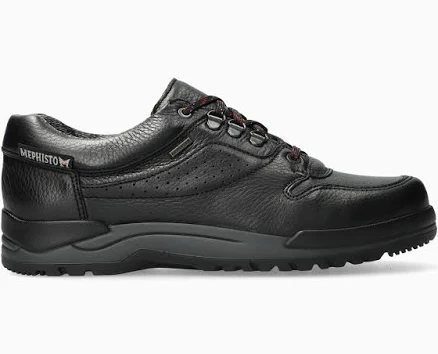
- leather, textile, rubber sole
- We found no PFAS statement from the brand
- Volatile organic compounds (VOC) off-gassing from adhesives
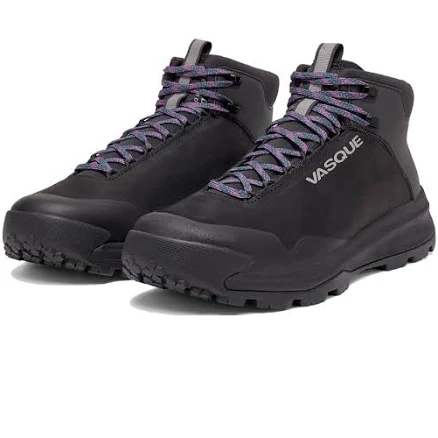
- Leather/nubuck upper, synthetic/rubber sole, no coating disclosed
- We found no PFAS statement from the brand
- Azo dyes (leather/textile coloring)
4 hazards checked on this product, all on its full breakdown.
Find an alternative on AmazonMore waterproof boots grades
How we score, every product runs through the same public 0-100 rubric based on materials, coatings, brand disclosure, lab findings, and recalls. See the full methodology → Spotted a mistake? Report an error.