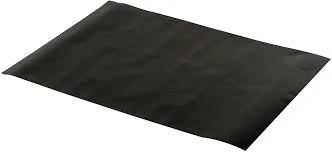
Nordic Ware · Parchment Paper & Baking Liners
Nordic Ware Oven Liner
Unknown coating composition. No PFAS disclosure from brand.
The oven liner has a silicone coating with hidden chemistry. The brand refuses to share any PFAS information, limiting what we can confidently say.
The better-graded swap
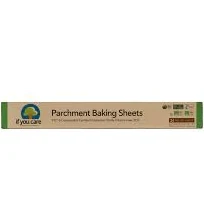
If You Care
Parchment Baking Sheets
90/100 safety
Same rubric that flunked this product. The swap earned Excellent.
Still want this one anyway? Check the price on Amazon. We’d swap it.
Material
Silicone-based coating, composition unspecified
Lab data
No public lab test
You may also be interested in
Top-graded picks in the categories readers replace first, every one scored on the same rubric.

- polypropylene filter housing, carbon/sediment cartridge
- We found no PFAS statement from the brand
- Bacterial growth in spent cartridges
3 hazards checked on this product, all on its full breakdown.

Aquasure
Premier Series 75 GPD Under Sink Reverse Osmosis Water Filtration System
- RO membrane, carbon filters, stainless steel housing
- We found no PFAS statement from the brand
- Bacterial and microbial growth in housing and filters
4 hazards checked on this product, all on its full breakdown.

Avocado
Vegan Mattress
- organic cotton, natural latex, coconut coir, recycled steel coils
- The brand calls it PFAS-free, which we have not verified
- Heavy metals
2 hazards checked on this product, all on its full breakdown.
What Nordic Ware Oven Liner is made of, ingredients and materials
Nordic Ware Oven Liners are marketed as silicone-based with an unspecified coating formulation. Silicone itself is generally considered inert at moderate oven temperatures (up to 400-450°F), but the proprietary coating and any additives used for non-stick or reinforcement properties are not publicly detailed. Without full material disclosure, it is difficult to assess whether the product contains fillers, pigments, or secondary polymers that could leach or off-gas under heat stress.
What’s concerning
Category baseline
The starting point for this type of product, before anything specific to this product is counted.
No PFAS disclosure
No public statement from the brand about PFAS in this product.
Non-stick, chemistry undisclosed
Marketed as non-stick without stating the coating chemistry.
Coating degradation over time
Silicone coatings can break down under repeated high heat or mechanical wear. No published data exists on Nordic Ware's specific formulation longevity, but users should watch for peeling, discoloration, or texture changes as signals to retire the product.
Leaching from unspecified additives or fillers
The proprietary coating composition is undisclosed. Silicone itself does not leach significantly, but fillers, pigments, or reinforcing agents in the formulation could potentially migrate into food at elevated temperatures if the coating is not fully stabilized.
Thermal stability at high oven temperatures
Silicone-based products show lower concern up to 400-450°F under normal kitchen use based on available information. However, sustained exposure beyond this range or direct flame contact may cause the material to soften, lose shape, or release compounds. Nordic Ware does not publicly specify thermal limits for this liner.
Lack of third-party certification or testing disclosure
The absence of NSF, FDA, or independent lab certifications visible in public materials makes it impossible to verify that the product meets food-contact safety standards or has been tested for heavy metals, BPA, or PFAS.
What’s reassuring
VOC or odor off-gassing during first use
No specific reports of VOC emissions from Nordic Ware oven liners have been documented, but new silicone products sometimes produce odor when first heated. This typically dissipates and is not considered a safety risk in itself, though it signals volatile compound release.
How is this PFAS grade calculated?
The brand's record and disclosure
Nordic Ware has not published material safety data sheets or full ingredient composition for this product, nor has the company made public commitments regarding PFAS avoidance or third-party testing. No major safety recalls specific to this oven liner appear in FDA or CPSC records, but the brand's silence on coating composition and PFAS status represents a transparency gap. Competitors in this category (e.g., some silicone baking mats) have begun disclosing PFOA/PFOS absence; Nordic Ware has not followed suit.
How it compares in its category
Oven liners occupy a lower-risk position than non-stick cookware (which relies heavily on Teflon-type coating), but they sit in an information vacuum compared to glass or stainless steel baking sheets. Other silicone-based liners on the market vary widely in disclosure practices. Nordic Ware's lack of transparency makes it harder to choose between this product and brands that explicitly state PFAS-free formulations or provide third-party test results.
If you buy it
Do not expose the liner to temperatures above the manufacturer's stated maximum (typically 400-450°F); exceeding this may compromise coating stability and increase leaching risk. Replace the liner if you observe discoloration, peeling, surface roughness, or odor during heating. Clean gently by hand rather than in high-heat dishwashers, which can degrade the silicone faster. Contact Nordic Ware directly to request full material composition and PFAS testing before purchase if these details matter to your household.
What is not known about PFAS in this product?
- Basis
- Model estimate, 35% confidence, not a lab result
- Lab test
- None on record for this exact product
- Brand statement
- Nordic Ware has made a specific claim
Formulations change between production runs, so check the current label. How we grade.
What are the PFAS-free alternatives to Nordic Ware Oven Liner?
- silicone-coated parchment paper
- The brand calls it PFAS-free, which we have not verified
- Paper degradation and particulate shedding
- unbleached paper with silicone coating
- The brand calls it PFAS-free, which we have not verified
- Silicone coating degradation at high heat
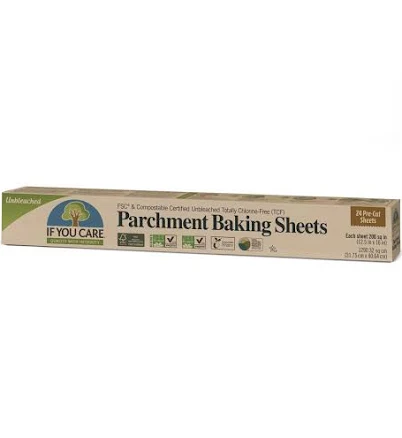
- bleached paper with silicone coating
- The brand calls it PFAS-free, which we have not verified
- Paper degradation and fragmentation
More parchment paper & baking liners grades
How we score, every product runs through the same public 0-100 rubric based on materials, coatings, brand disclosure, lab findings, and recalls. See the full methodology → Spotted a mistake? Report an error.