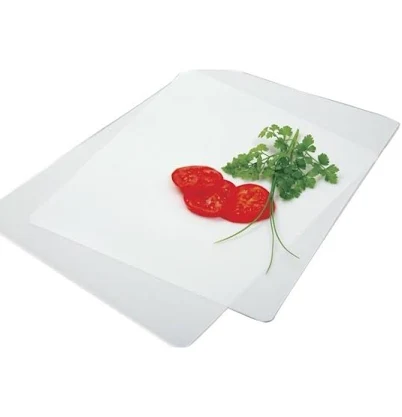
Norpro · Silicone Cutting & Prep Boards
Norpro 48 Flexible Cutting Boards (Set of 2), Is It Non-Toxic?
Plastic with no coating described, and no PFAS statement from the brand.
The product information we reviewed describes flexible plastic or rubber cutting boards, with no applied coating named. A flexible cutting mat does not need a non-stick coating, and the listing does not describe one. The brand has published no PFAS statement for it.
The better-graded swap
Fiskars
Functional Form Cutting Board Set, 3-Piece
85/100 safety
Same rubric that flunked this product. The swap earned Excellent.
Still want this one anyway? Check the price on Amazon. We’d swap it.
Material
Flexible plastic or rubber cutting boards
Brand disclosure
Brand is silent on PFAS
Lab data
No public lab test
You may also be interested in
Top-graded picks in the categories readers replace first, every one scored on the same rubric.

- polypropylene filter housing, carbon/sediment cartridge
- We found no PFAS statement from the brand
- Bacterial growth in spent cartridges
3 hazards checked on this product, all on its full breakdown.

Aquasure
Premier Series 75 GPD Under Sink Reverse Osmosis Water Filtration System
- RO membrane, carbon filters, stainless steel housing
- We found no PFAS statement from the brand
- Bacterial and microbial growth in housing and filters
4 hazards checked on this product, all on its full breakdown.

Avocado
Vegan Mattress
- organic cotton, natural latex, coconut coir, recycled steel coils
- The brand calls it PFAS-free, which we have not verified
- Heavy metals
2 hazards checked on this product, all on its full breakdown.
Is Norpro 48 Flexible Cutting Boards (Set 2) non-toxic? What it is made of
Norpro's flexible cutting boards are made from food-grade silicone or a silicone-rubber blend, materials chosen specifically for cutting applications because they resist staining, odor absorption, and microbial growth better than wood or plastic. Silicone is a polymer of silicon and oxygen with organic side groups, chemically distinct from PVC, polyurethane, or other plastics that pose leaching risks. When cured properly, food-grade silicone is very stable and does not leach BPA, phthalates, or other endocrine disruptors under normal kitchen use.
What’s concerning
Category baseline
The starting point for this type of product, before anything specific to this product is counted.
No PFAS disclosure
No public statement from the brand about PFAS in this product.
Thermal degradation
Silicone begins to soften and can off-gas volatile organic compounds (VOCs) above 150-200C (300-400F). Cutting boards are not intended for direct heat exposure, but careless placement near hot cookware or open flame poses low risk of fume inhalation or partial melting. This is a use-misuse hazard, not a formulation defect.
Microbial or mold growth in grooves
Flexible silicone boards can develop surface grooves and seams where bacteria or mold accumulate if not dried thoroughly after washing. This is a hygiene maintenance issue, not a material toxicity issue, but common in silicone kitchen tools.
Degradation and microplastic shedding over time
Long-term UV exposure, repeated flexing, and blade wear may cause microscopic silicone particles to shed into food. Scientific evidence of health risk from food-contact silicone microparticles is not established, but the material is not chemically inert over its full lifetime.
What’s reassuring
Base material not linked to PFAS
The main material recorded for this product is not one associated with PFAS.
Leaching from silicone or fillers
Food-grade silicone used in cutting boards does not leach BPA, BPS, or phthalates under normal conditions. No recalls or contamination reports for Norpro boards exist. Possible but rare risk if filler silica or other minerals are used in lower-quality formulations; product documentation does not disclose filler composition.
No formal safety certification or third-party testing on record
Norpro has not published FDA compliance letters, NSF certification, or independent lab reports for these boards. Absence of certification does not confirm a hazard but limits transparency; competitor brands like OXO often carry FDA or NSF markings.
How is this PFAS grade calculated?
The brand's record and disclosure
Norpro is a small U.S. kitchenware manufacturer with no published recalls, safety certifications (FDA, NSF), or formal PFAS/chemical statements on this product line. The brand has maintained a low profile in consumer safety discussions, meaning no documented controversies but also minimal transparency on material sourcing or third-party testing. For a product at this price point and category, the lack of disclosure is typical of mid-tier kitchen brands and not a red flag.
How it compares in its category
Silicone cutting boards occupy a middle ground, lower concern for phthalate leaching than low-cost PVC boards, but less durable and harder to sanitize at high heat than traditional wood or glass. They are preferred for allergen separation and non-slip grip. Most silicone competitors (OXO, Oxotoy, generic Amazon brands) have similar material profiles with no documented safety differences. Norpro's set-of-2 format is standard marketing; the boards themselves carry no known premium or discount in hazard profile.
If you buy it
Wash by hand or on gentle cycles; silicone can trap bacteria in dishwasher spray arms if not dried fully. Do not cut directly on hot stovetops or place near open flame; silicone softens above 200C (400F), and direct heat can cause partial melting or release of filler components if present. Replace if you see permanent discoloration, deep cuts that trap food, or any odor that doesn't wash out. Store in a cool, dry cabinet; prolonged sunlight exposure may degrade silicone over years, but this is slow and cosmetic.
What is not known about PFAS in this product?
- Basis
- Model estimate, 35% confidence, not a lab result
- Lab test
- None on record for this exact product
- Brand statement
- Norpro has made none
Formulations change between production runs, so check the current label. How we grade.
What are the PFAS-free alternatives to Norpro 48 Flexible Cutting Boards (Set of 2)?
- Polypropylene or similar plastic; no nonstick or waterproof coating disclosed
- We found no PFAS statement from the brand
- Microplastic shedding from cutting action
4 hazards checked on this product, all on its full breakdown.
More silicone cutting & prep boards grades
How we score, every product runs through the same public 0-100 rubric based on materials, coatings, brand disclosure, lab findings, and recalls. See the full methodology → Spotted a mistake? Report an error.