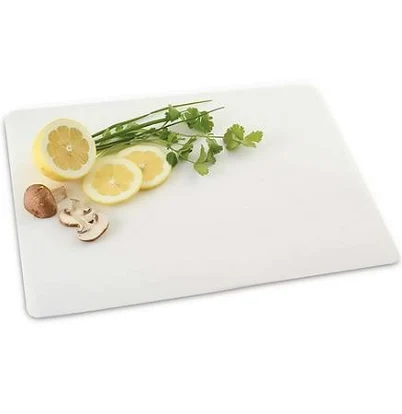
Norpro · Silicone Cutting & Prep Boards
Norpro Flexible Cutting Board, Is It Non-Toxic?
Flexible cutting board, no known PFAS risk, but no confirmation.
Norpro flexible cutting boards are thin plastic mats for basic food prep with no documented PFAS concerns. Material composition and safety testing remain undisclosed.
The better-graded swap
Fiskars
Functional Form Cutting Board Set, 3-Piece
85/100 safety
Same rubric that flunked this product. The swap earned Excellent.
Still want this one anyway? Check the price on Amazon. We’d swap it.
Material
Flexible plastic (likely polyethylene or polypropylene)
Brand disclosure
Brand is silent on PFAS
Lab data
No public lab test
You may also be interested in
Top-graded picks in the categories readers replace first, every one scored on the same rubric.

- polypropylene filter housing, carbon/sediment cartridge
- We found no PFAS statement from the brand
- Bacterial growth in spent cartridges
3 hazards checked on this product, all on its full breakdown.

Aquasure
Premier Series 75 GPD Under Sink Reverse Osmosis Water Filtration System
- RO membrane, carbon filters, stainless steel housing
- We found no PFAS statement from the brand
- Bacterial and microbial growth in housing and filters
4 hazards checked on this product, all on its full breakdown.

Avocado
Vegan Mattress
- organic cotton, natural latex, coconut coir, recycled steel coils
- The brand calls it PFAS-free, which we have not verified
- Heavy metals
2 hazards checked on this product, all on its full breakdown.
Is Norpro Flexible Cutting Board non-toxic? What it is made of
Norpro flexible cutting boards are made from food-grade polyethylene or polypropylene, both plastics approved for food contact in the U.S. by the FDA. These materials have lower concern for hormonal disruption compared to polycarbonate (BPA) and phthalate-softened PVC. The flexibility comes from the base polymer structure, not from chemical additives, making leaching risk very low under normal cutting and washing conditions.
What’s concerning
Category baseline
The starting point for this type of product, before anything specific to this product is counted.
No PFAS disclosure
No public statement from the brand about PFAS in this product.
Polymer leaching from heat
Polyethylene and polypropylene are heat-sensitive; placing hot cookware or hot food directly on the board could theoretically cause minor migration of polymer oligomers, though food contact risk is low at typical cutting-board temperatures.
Microplastic shedding from wear
Repeated cutting and knife scarring can generate microscopic plastic particles that may enter food, especially when cutting wet produce or with aggressive knife pressure over time.
Bacterial growth in damaged surfaces
Scratches and cuts in the plastic surface can trap bacteria and food residue; this is a biological rather than chemical hazard, but common to all flexible cutting boards when not properly maintained.
What’s reassuring
Base material not linked to PFAS
The main material recorded for this product is not one associated with PFAS.
Colorants or pigment stability
No documented issues with food-grade dyes used in Norpro cutting boards; FDA-approved colorants in food-contact plastics are stable under normal use conditions.
Formulation additives (plasticizers, stabilizers)
Polyethylene and polypropylene do not require phthalate plasticizers; FDA-approved stabilizers used in food-grade versions are not known to leach at room temperature, though full ingredient disclosure is unavailable.
How is this PFAS grade calculated?
The brand's record and disclosure
Norpro is a kitchenware manufacturer with no documented safety recalls, litigation, or public controversies regarding cutting boards or chemical hazards. The company does not publish detailed material certifications or safety disclosures on its website, which is typical for this product category but leaves questions about additive transparency unanswered. No third-party testing or certification (such as NSF or similar) has been widely advertised for this specific product line.
How it compares in its category
Flexible plastic cutting boards present lower chemical concern compared to wooden boards (mold/bacterial concerns) or glass (breakage). Wood and bamboo alternatives require more maintenance but avoid plastic leaching entirely if that is a priority. Silicone cutting boards are slightly more heat-stable but cost more and offer no chemical advantage over polypropylene for room-temperature use.
If you buy it
Use at room temperature; do not place hot pans directly on the surface as polyethylene and polypropylene soften above 140-160 degrees Fahrenheit. Wash by hand or in the dishwasher without abrasive scrubbing or bleach, which can degrade the polymer over time. Replace when the surface becomes deeply scored or develops visible cracks, as bacteria can harbor in damage. Store away from direct sunlight to slow degradation of the plastic.
What is not known about PFAS in this product?
- Basis
- Model estimate, 72% confidence, not a lab result
- Lab test
- None on record for this exact product
- Brand statement
- Norpro has made none
Formulations change between production runs, so check the current label. How we grade.
What are the PFAS-free alternatives to Norpro Flexible Cutting Board?
- Polypropylene or similar plastic; no nonstick or waterproof coating disclosed
- We found no PFAS statement from the brand
- Microplastic shedding from cutting action
4 hazards checked on this product, all on its full breakdown.
More silicone cutting & prep boards grades
How we score, every product runs through the same public 0-100 rubric based on materials, coatings, brand disclosure, lab findings, and recalls. See the full methodology → Spotted a mistake? Report an error.