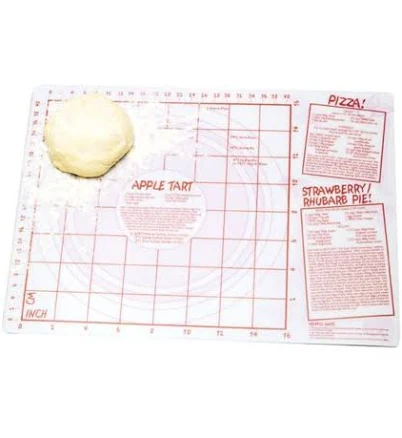
Norpro · Silicone Cutting & Prep Boards
Norpro Jumbo Pastry/Cutting Mat, Is It Non-Toxic?
Silicone with no coating described, and no PFAS statement from the brand.
The product information we reviewed describes silicone mat, with no applied coating named. Silicone releases food on its own, so a non-stick claim on a silicone product describes the material rather than a coating. The brand has published no PFAS statement for it.
The better-graded swap
Fiskars
Functional Form Cutting Board Set, 3-Piece
85/100 safety
Same rubric that flunked this product. The swap earned Excellent.
Still want this one anyway? Check the price on Amazon. We’d swap it.
Material
Silicone mat
Brand disclosure
Brand is silent on PFAS
Lab data
No public lab test
You may also be interested in
Top-graded picks in the categories readers replace first, every one scored on the same rubric.

- polypropylene filter housing, carbon/sediment cartridge
- We found no PFAS statement from the brand
- Bacterial growth in spent cartridges
3 hazards checked on this product, all on its full breakdown.

Aquasure
Premier Series 75 GPD Under Sink Reverse Osmosis Water Filtration System
- RO membrane, carbon filters, stainless steel housing
- We found no PFAS statement from the brand
- Bacterial and microbial growth in housing and filters
4 hazards checked on this product, all on its full breakdown.

Avocado
Vegan Mattress
- organic cotton, natural latex, coconut coir, recycled steel coils
- The brand calls it PFAS-free, which we have not verified
- Heavy metals
2 hazards checked on this product, all on its full breakdown.
Is Norpro Jumbo Pastry/Cutting Mat non-toxic? What it is made of
This product is a silicone-based cutting and pastry mat. Silicone is a synthetic polymer made from silicon and oxygen, chemically stable at typical kitchen temperatures, and does not leach monomers like BPA or phthalates. Food-grade silicone used in kitchen products is generally non-reactive and does not off-gas volatile compounds under normal baking or food preparation conditions. The mat's surface is designed to be non-stick and heat-resistant, properties inherent to silicone's chemistry rather than added coatings.
What’s concerning
Category baseline
The starting point for this type of product, before anything specific to this product is counted.
No PFAS disclosure
No public statement from the brand about PFAS in this product.
Microplastic shedding
All silicone products may shed microscopic particles with abrasive use or aging. Cutting mats experience mechanical stress; users should minimize knife pressure and replace worn mats to reduce potential particle ingestion, though risk is very low during normal food prep.
Bacterial colonization if not cleaned
Silicone's textured surface can harbor bacteria if mats are not thoroughly washed after food contact, especially raw meat prep. This is a hygiene concern inherent to the material, not a manufacturing defect; regular cleaning and sanitizing mitigate risk.
Degradation and loss of non-stick properties over time
Silicone mats naturally degrade with repeated heating and mechanical use, becoming stickier or discolored over 2-5 years depending on care. This is not a safety hazard per se, but signals the mat should be replaced to maintain food prep integrity.
What’s reassuring
Base material not linked to PFAS
The main material recorded for this product is not one associated with PFAS.
Silicone leaching under extreme heat
Food-grade silicone is stable under normal cooking temperatures. No established reports of leaching from Norpro silicone mats at recommended use temperatures; risk only applies to misuse (direct flame contact or sustained temperatures above 500°F).
BPA & bisphenols
Silicone does not contain BPA or phthalates by chemistry. No reports of leaching from Norpro silicone mats; this hazard class is not applicable to silicone-based products.
Source, FDA ↗How is this PFAS grade calculated?
The brand's record and disclosure
Norpro is a kitchenware manufacturer with a long history in kitchen gadgets and prep tools but maintains minimal public disclosure on material safety standards or third-party certifications. No major recalls or safety incidents specific to this product line are on record. The brand does not publicly state whether its silicone contains PFAS, which is typical for many cookware manufacturers; absence of a claim does not indicate presence of PFAS, only lack of transparency.
How it compares in its category
Silicone cutting mats occupy a middle ground in prep tools, they present lower concern than traditional plastic cutting boards regarding microplastic shedding and BPA exposure, and lower concern than some coated wooden boards that may harbor bacteria. Compared to glass or stainless steel alternatives, silicone mats are flexible, durable, and less prone to chipping or breakage. Most competing brands in this category (OXO, Rachael Ray, Amazon Basics) use similar food-grade silicone and do not disclose PFAS testing either.
If you buy it
Silicone mats tolerate oven heat up to the manufacturer's stated limit (typically 400-500°F / 200-260°C); do not use directly over flame. Hand wash or gentle machine wash to preserve the surface; abrasive scrubbers can degrade silicone over years. Replace the mat if it shows deep cuts, permanent staining, or loss of non-stick properties, as these signs indicate material breakdown. Store flat or rolled loosely in a cool, dry location away from direct sunlight to extend lifespan.
What is not known about PFAS in this product?
- Basis
- Model estimate, 35% confidence, not a lab result
- Lab test
- None on record for this exact product
- Brand statement
- Norpro has made none
Formulations change between production runs, so check the current label. How we grade.
What are the PFAS-free alternatives to Norpro Jumbo Pastry/Cutting Mat?
- Polypropylene or similar plastic; no nonstick or waterproof coating disclosed
- We found no PFAS statement from the brand
- Microplastic shedding from cutting action
4 hazards checked on this product, all on its full breakdown.
More silicone cutting & prep boards grades
How we score, every product runs through the same public 0-100 rubric based on materials, coatings, brand disclosure, lab findings, and recalls. See the full methodology → Spotted a mistake? Report an error.