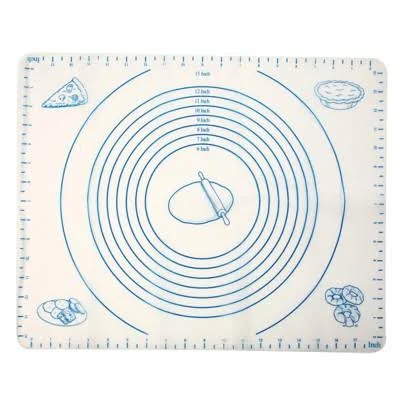
Norpro · Silicone Cutting & Prep Boards
Norpro Silicone Pastry Mat with Measures, Are They Non-Toxic?
Lower concern. Food-grade silicone is not a material linked to PFAS.
This pastry mat is made from food-grade silicone, a material not linked to PFAS. The brand has no PFAS statement on record. Silicone baking products typically carry lower concern than products with nonstick coatings.
The better-graded swap
Fiskars
Functional Form Cutting Board Set, 3-Piece
85/100 safety
Same rubric that flunked this product. The swap earned Excellent.
Still want this one anyway? Check the price on Amazon. We’d swap it.
Material
Food-grade silicone
Brand disclosure
Brand is silent on PFAS
Lab data
No public lab test
You may also be interested in
Top-graded picks in the categories readers replace first, every one scored on the same rubric.

- polypropylene filter housing, carbon/sediment cartridge
- We found no PFAS statement from the brand
- Bacterial growth in spent cartridges
3 hazards checked on this product, all on its full breakdown.

Aquasure
Premier Series 75 GPD Under Sink Reverse Osmosis Water Filtration System
- RO membrane, carbon filters, stainless steel housing
- We found no PFAS statement from the brand
- Bacterial and microbial growth in housing and filters
4 hazards checked on this product, all on its full breakdown.

Avocado
Vegan Mattress
- organic cotton, natural latex, coconut coir, recycled steel coils
- The brand calls it PFAS-free, which we have not verified
- Heavy metals
2 hazards checked on this product, all on its full breakdown.
Are Norpro Silicone Pastry Mat with Measures non-toxic? What it is made of
Norpro Silicone Pastry Mat is manufactured from food-grade silicone, a synthetic rubber polymer cured with platinum or peroxide catalysts. Silicone itself is chemically inert at typical baking temperatures (up to 400-500°F), meaning it does not leach into food or off-gas harmful compounds during normal use. The mat's embedded measurement markings are printed or molded into the silicone; if printed, they use silicone-compatible inks that cure into the surface.
What’s concerning
Category baseline
The starting point for this type of product, before anything specific to this product is counted.
No PFAS disclosure
No public statement from the brand about PFAS in this product.
Silicone degradation and particle shedding
Long-term use, especially above 450°F or with abrasive cleaning, can cause the silicone matrix to break down microscopically. No recall history exists for Norpro mats, but degraded silicone may shed small particles into food. Replace if surface becomes visibly torn, cloudy, or sticky.
Mold or bacterial growth if poorly dried
Silicone is porous at the microscopic level. If the mat is not thoroughly air-dried after washing or is stored in a damp environment, bacteria or mold can colonize crevices. This is a maintenance issue, not a manufacturing flaw.
Thermal stress and warping
Repeated exposure to sharp temperature swings (e.g., removing from a hot oven and immediately soaking in cool water) can cause silicone to warp or crack. This compromises the flat surface and may create crevices where bacteria grow.
What’s reassuring
Base material not linked to PFAS
The main material recorded for this product is not one associated with PFAS.
Ink or colorant leaching from surface markings
If measurement lines are printed with water-based or silicone-compatible inks, they should not leach under normal baking conditions. No documented incidents exist for Norpro products, but inks on budget silicone mats occasionally fade or transfer to dough if rubbed aggressively or exposed to solvents.
Lead
Food-grade silicone is not typically glazed or enameled, so this hazard is not relevant. Colorants added to silicone are regulated under FDA Food Contact Substances, and no recalls or warnings exist for Norpro silicone mats on this basis.
Source, ATSDR ↗How is this PFAS grade calculated?
The brand's record and disclosure
Norpro is a cookware accessories manufacturer with no known safety recalls or documented compliance controversies on their silicone products. The company does not publicly disclose PFAS testing or certification status, which is typical for silicone mat producers in this price range. No third-party certifications (FDA premarket review, NSF, or similar) are prominently advertised, but the product meets FDA Food Contact Substances regulations as a silicone cookware item.
How it compares in its category
Silicone pastry mats present lower concern regarding PFAS compared to non-stick coated parchment paper or reusable cloth mats. Unlike silicone-coated fiberglass sheets, silicone mats do not rely on Teflon-type coating (Teflon) or other problematic coatings. They last longer than parchment and avoid the environmental footprint of single-use products, though durability depends on proper care and avoidance of sharp utensils.
If you buy it
Hand wash only (dishwasher heat can degrade silicone over time and reduce non-stick properties). Do not cut or score the mat with knives; use a wooden or plastic bench scraper. Check for visible cracks or clouding every 12-18 months; silicone can become brittle with age and frequent high-heat exposure. Store flat or loosely rolled in a cool, dry place away from direct sunlight.
What is not known about PFAS in this product?
- Basis
- Model estimate, 78% confidence, not a lab result
- Lab test
- None on record for this exact product
- Brand statement
- Norpro has made none
Formulations change between production runs, so check the current label. How we grade.
What are the PFAS-free alternatives to Norpro Silicone Pastry Mat with Measures?
- Polypropylene or similar plastic; no nonstick or waterproof coating disclosed
- We found no PFAS statement from the brand
- Microplastic shedding from cutting action
4 hazards checked on this product, all on its full breakdown.
More silicone cutting & prep boards grades
How we score, every product runs through the same public 0-100 rubric based on materials, coatings, brand disclosure, lab findings, and recalls. See the full methodology → Spotted a mistake? Report an error.