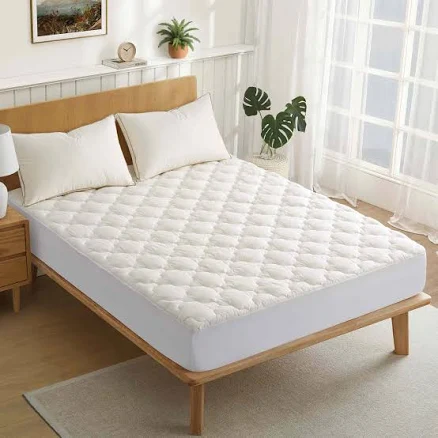
Organic Cotton Waterproof Mattress Pad, Is It Non-Toxic?
Avoid until the brand explains its waterproof treatment method.
The organic cotton face is lower-risk, but mattress pads need waterproof backing, which has historically used fluorinated compounds. Won't disclose the backing's treatment type.
The better-graded swap
Avocado Green Mattress
Organic Cotton Mattress Pad Protector
85/100 safety
Same rubric that flunked this product. The swap earned Excellent.
Still want this one anyway? Check the price on Amazon. We’d swap it.
Material
Organic cotton + undisclosed waterproof backing
Brand disclosure
Brand is silent on PFAS
Lab data
No public lab test
You may also be interested in
Top-graded picks in the categories readers replace first, every one scored on the same rubric.

- polypropylene filter housing, carbon/sediment cartridge
- We found no PFAS statement from the brand
- Bacterial growth in spent cartridges
3 hazards checked on this product, all on its full breakdown.

Aquasure
Premier Series 75 GPD Under Sink Reverse Osmosis Water Filtration System
- RO membrane, carbon filters, stainless steel housing
- We found no PFAS statement from the brand
- Bacterial and microbial growth in housing and filters
4 hazards checked on this product, all on its full breakdown.

Avocado
Vegan Mattress
- organic cotton, natural latex, coconut coir, recycled steel coils
- The brand calls it PFAS-free, which we have not verified
- Heavy metals
2 hazards checked on this product, all on its full breakdown.
Is Organic Cotton Waterproof Mattress Pad non-toxic? What it is made of
The pad combines certified organic cotton (the top layer) with an undisclosed waterproof backing. The cotton itself is low-risk, but the waterproof layer is the critical unknown. Waterproofing in textiles typically requires either PFAS-based Teflon-family coating (the industry standard for durability) or alternative chemistries like wax, polyurethane, or silicone. The brand's silence on which method was used is a major red flag, as legitimate waterproof bedding manufacturers explicitly disclose their approach. Organic certification applies only to the cotton fiber, not the finishing treatments.
What’s concerning
Category baseline
The starting point for this type of product, before anything specific to this product is counted.
No PFAS disclosure
No public statement from the brand about PFAS in this product.
Waterproof / stain-resistant treatment
Water-repellent coating treatments have historically used PFAS.
Formaldehyde / VOCs
Organic cotton as a fiber does not contain formaldehyde, but waterproof finishing processes sometimes employ formaldehyde-releasing resins for durability. No test results on record for this brand, and lack of Oeko-Tex certification means this hazard is not ruled out.
Source, ATSDR ↗Volatile organic compound (VOC) off-gassing from waterproof backing
Any synthetic waterproof membrane, whether PFAS-based or alternative polyurethane, will emit VOCs, especially when new and during laundering. The undisclosed backing chemistry makes it impossible to predict the type or persistence of off-gassing without lab testing.
Polymer coating degradation and microparticle shedding
Polyurethane and Teflon-family coating waterproof coatings can delaminate or flake with age and repeated washing. No durability data is available for this specific product, but budget-grade pads are known to shed backing fragments that may contact skin or be inhaled.
What’s reassuring
Azo dyes in cotton dyeing
Organic cotton certification typically restricts synthetic azo dyes, but no specific certification body or dye restriction standard is listed for this product. The term 'organic' alone does not guarantee azo-free dyeing.
Antimony in polyester or synthetic fibers
If the backing layer contains polyester (not explicitly ruled out), antimony catalysts could be present. This is not routinely disclosed for consumer textiles and no test data is available for this brand.
How is this PFAS grade calculated?
The brand's record and disclosure
The brand markets this product as organic without providing technical data sheets or treatment disclosures on their website or packaging. No third-party waterproof certifications (such as Oeko-Tex Standard 100, GOTS finishing standards, or ZDHC Gateway compliance) are claimed. The brand's silence on PFAS is standard for smaller mattress pad manufacturers, but does not indicate absence of PFAS, only unwillingness to confirm or deny. Lack of disclosure is itself a disclosure, mainstream brands using alternatives with lower concern typically advertise that fact.
How it compares in its category
Most budget and mid-range waterproof mattress pads use PFAS-based backings because they are cheap and proven. Premium alternatives such as Naturepedic, Avocado, or Naturelle Latex explicitly market PFAS-free waterproofing (usually polyurethane or wax-based) and provide third-party testing. This product's lack of such claims or certifications places it in the riskier segment of the market. Truly organic-certified bedding companies typically invest in transparent supply chain documentation; its absence here is inconsistent with brand positioning.
If you buy it
Do not purchase without direct contact to the brand requesting a safety data sheet (SDS) for the waterproof backing and confirmation of PFAS-free status. If acquired, launder before first use to remove loose chemicals, then use a separate protector underneath (such as a certified barrier) to limit skin contact. Avoid high-heat machine drying, as heat can accelerate off-gassing from synthetic backings. Replace every 3-5 years or immediately if the waterproof layer begins to degrade, peel, or crack, as breakdown can expose embedded chemical additives.
What is not known about PFAS in this product?
- Basis
- Model estimate, 42% confidence, not a lab result
- Lab test
- None on record for this exact product
- Brand statement
- has made none
Formulations change between production runs, so check the current label. How we grade.
What are the PFAS-free alternatives to Organic Cotton Waterproof Mattress Pad?
- organic cotton
- We found no PFAS statement from the brand
- No PFAS statement found from the brand
- Organic cotton
- We found no PFAS statement from the brand
- Waterproofing chemical exposure
2 hazards checked on this product, all on its full breakdown.
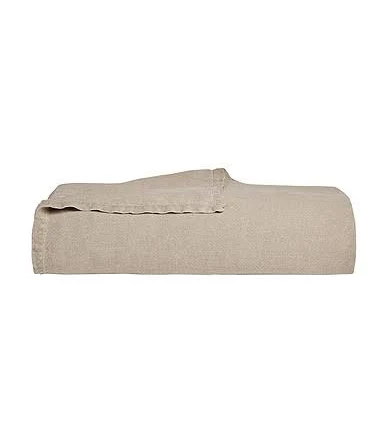
- 100% linen, no reported coating
- We found no PFAS statement from the brand
- Heavy metals
3 hazards checked on this product, all on its full breakdown.
More mattress protectors grades
How we score, every product runs through the same public 0-100 rubric based on materials, coatings, brand disclosure, lab findings, and recalls. See the full methodology → Spotted a mistake? Report an error.