OXO · Parchment Paper & Baking Liners
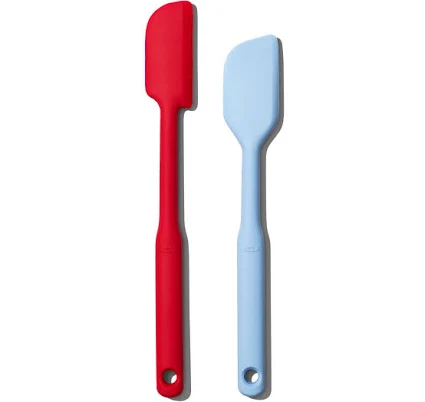
OXO Good Grips 2 Piece Silicone Spatula Set
Silicone spatulas carry lower PFAS risk than coated nonstick cookware.
These spatulas use silicone, a material that doesn't require Teflon-family coating treatment. No nonstick coating involved here.
The better-graded swap
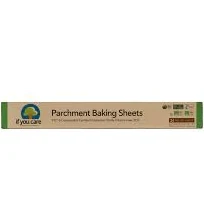
If You Care
Parchment Baking Sheets
90/100 safety
Same rubric that flunked this product. The swap earned Excellent.
Still want this one anyway? Check the price on Amazon. We’d swap it.
Material
Silicone handles and heads, polypropylene trim
Lab data
No public lab test
What OXO Good Grips 2 Piece Silicone Spatula is made of, ingredients and materials
This spatula set features food-grade silicone heads bonded to polypropylene (plastic) trim and handles. Silicone is a synthetic polymer with very high heat stability and minimal leaching risk because its molecular bonds are extremely stable even at cooking temperatures. Polypropylene trim is a common, relatively inert plastic that does not contain BPA or phthalates by design, though very old or damaged PP can degrade. The combination is designed to be inert under normal kitchen use.
What’s concerning
No PFAS disclosure
No public statement from the brand about PFAS in this product.
Category baseline
The starting point for this type of product, before anything specific to this product is counted.
Silicone degradation and seam failure
While food-grade silicone itself does not leach chemicals, the adhesive bond between silicone head and polypropylene handle can separate with repeated thermal cycling and mechanical stress. If failure occurs, bacteria can colonize the crevice, not chemical leaching per se.
Polypropylene trim brittleness
Polypropylene handles can become brittle and crack after years of exposure to heat cycling and dishwasher detergent, potentially creating sharp edges. Once cracked, PP does not typically leach BPA (it contains none), but sharp fragments are a physical hazard.
What’s reassuring
Base material not linked to PFAS
The main material recorded for this product is not one associated with PFAS.
Lead
This product is silicone and plastic only; no ceramic glaze, enamel, or metal coatings are present that would carry lead or cadmium risk.
Source, ATSDR ↗BPA & bisphenols
Polypropylene as a resin does not contain BPA, phthalates, or vinyl chloride by formulation. Food-contact grade polypropylene is regulated for these compounds under FDA guidelines and OXO sources compliant material.
Source, FDA ↗Formaldehyde / VOCs
Silicone and polypropylene do not off-gas formaldehyde under normal conditions. Unlike melamine or phenolic resins, these polymers are not cross-linked with formaldehyde donors and carry no known VOC concern at kitchen temperatures.
Source, ATSDR ↗The full breakdown
The brand's record and disclosure
OXO has a documented history of voluntary compliance with FDA food-contact material standards and has not been subject to major recalls for chemical leaching in kitchen tools. The brand does not publicly emphasize PFAS-free claims for silicone products, likely because silicone spatulas are not a primary PFAS vector (unlike nonstick cookware). OXO maintains manufacturing partnerships with audited suppliers but does not publish detailed material certifications on product pages.
How it compares in its category
Silicone spatulas present lower concern than wooden handles (splinter and bacterial growth risk) or metal handles (heat conduction risk). Unlike nonstick cookware coatings, silicone has no known Teflon-family coating chemistry and poses no Teflon-type coating fume risk. Polypropylene trim is standard across budget and premium spatula brands; it performs identically from a chemical safety standpoint. This product sits in the middle tier for durability and comfort but is chemically equivalent to most competitor silicone spatulas.
If you buy it
Silicone spatulas tolerate oven heat up to around 400-450F without degradation; avoid prolonged direct flame. Hand wash rather than dishwasher to extend bond integrity between silicone and PP trim. Check every 12-18 months for peeling, cracking, or discoloration at the seam; silicone does not leach, but a compromised bond can harbor bacteria. Store in a cool, dry place; silicone can absorb cooking odors over time but this is cosmetic, not a safety issue.
What we don’t know
- Basis
- Model estimate, 80% confidence, not a lab result
- Lab test
- None on record for this exact product
- Brand statement
- OXO has made a specific claim
Formulations change between production runs, so check the current label. How we grade.
Better-graded alternatives in Parchment Paper & Baking Liners
If You Care
Baking Paper, Parchment, 70 Square Feet
- silicone-coated parchment paper
- The brand calls it PFAS-free, which we have not verified
- Paper degradation and particulate shedding
If You Care
Parchment Baking Sheets
- unbleached paper with silicone coating
- The brand calls it PFAS-free, which we have not verified
- Silicone coating degradation at high heat
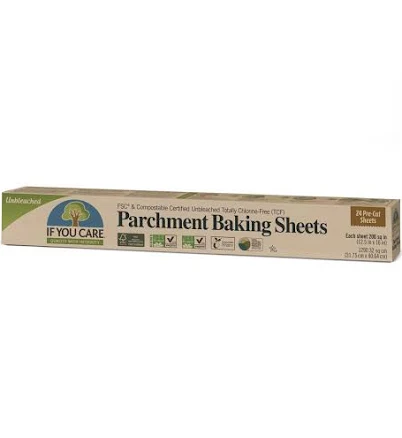
If You Care
Parchment Baking Sheets
- bleached paper with silicone coating
- The brand calls it PFAS-free, which we have not verified
- Paper degradation and fragmentation
More parchment paper & baking liners grades
How we score, every product runs through the same public 0-100 rubric based on materials, coatings, brand disclosure, lab findings, and recalls. See the full methodology → Spotted a mistake? Report an error.