OXO · Parchment Paper & Baking Liners
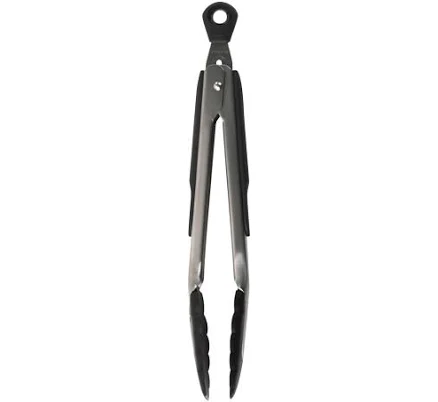
OXO Good Grips 9" Nylon Tongs
Reduced risk since nylon tongs typically don't contain PFAS.
Nylon isn't a typical carrier for PFAS. OXO provides no testing or public statements, but the material type itself suggests lower concern.
The better-graded swap
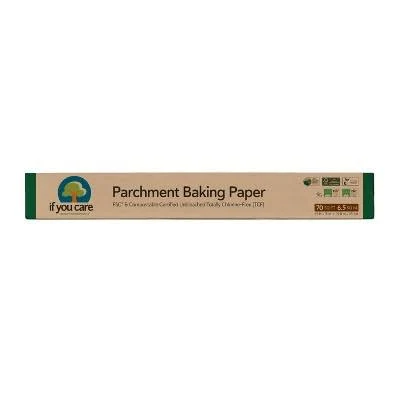
If You Care
If You Care Parchment Baking Paper
90/100 safety
Same rubric that flunked this product. The swap earned Excellent.
Still want this one anyway? Check the price on Amazon. We’d swap it.
Material
Nylon with stainless steel core/handle
Lab data
No public lab test
What OXO Good Grips 9" Nylon Tongs is made of, ingredients and materials
OXO Good Grips 9" tongs use nylon (polyamide) as the gripping head with a stainless steel inner core/handle. Nylon is thermoplastic and stable at typical cooking temperatures (up to 200-220°C for many nylon grades), meaning it resists melting or decomposing during normal stovetop use. The stainless steel core provides structural integrity and is chemically inert. The main exposure pathway is heat-induced leaching or off-gassing if the nylon degrades, which is unlikely under proper use conditions.
What’s concerning
No PFAS disclosure
No public statement from the brand about PFAS in this product.
Category baseline
The starting point for this type of product, before anything specific to this product is counted.
Nylon degradation at high temperature
Nylon can release monomers or oligomers if heated above its glass-transition temperature (typically 60-80°C for nylon 6/6, though bulk material remains stable to 200+°C). Direct exposure to open flame or sustained high heat could cause localized degradation; normal stovetop use with food contact is unlikely to trigger this.
Mechanical degradation and microplastic shedding
Over years of use, nylon gripping surfaces can wear, fray, or shed microscopic particles, especially if repeatedly scraped or used on rough cookware surfaces. No toxicological threshold is established for ingestion of small nylon particles, though avoiding visible flaking is prudent.
What’s reassuring
Base material not linked to PFAS
The main material recorded for this product is not one associated with PFAS.
Leaching of unreacted nylon precursors or plasticizers
No specific reports of nylon tongs from OXO leaching harmful chemicals into food. Nylon formulations used in food-contact kitchenware are subject to FDA indirect food-additive regulations and typically contain minimal residual monomers if properly manufactured.
Stainless steel core corrosion or nickel exposure
OXO uses 18/10 stainless steel in most Good Grips products, which is nickel-containing but corrosion-resistant and FDA-compliant. No recalls or complaints specific to nickel leaching from OXO tongs have been documented; risk is minimal for non-nickel-sensitive users.
Heat transfer to hand (handle design risk)
OXO Good Grips tongs are designed with ergonomic handles to insulate the hand from the metal core; this is a design strength, not a hazard. Standard kitchen safety (not touching hot metal) applies, as with any tongs.
The full breakdown
The brand's record and disclosure
OXO is a privately-held kitchenware company with no major public safety recalls or lawsuits specific to this tongs model on record. The brand does not publish detailed material safety data sheets or PFAS-absence certifications, though it maintains basic product liability standards consistent with US Consumer Product Safety Commission (CPSC) compliance. OXO has not been flagged in regulatory databases for cookware-related contamination or undisclosed hazards in recent years.
How it compares in its category
Nylon tongs are a standard, lower-cost option compared to silicone or all-metal alternatives. Nylon is more heat-resistant than some plastics (e.g., polycarbonate) and avoids the BPA concerns associated with older polycarbonate cookware handles. Silicone tongs typically cost more but tolerate higher heat (up to 260°C) and avoid any nylon-specific leaching concerns; all-stainless tongs eliminate polymers entirely but conduct heat to the hand. OXO's tongs occupy the mid-range, affordable, adequate for stovetop work, not premium.
If you buy it
Use these tongs for stovetop cooking at moderate heat (avoid prolonged contact with direct high flames or sustained temperatures above 200°C). Hand wash rather than use a dishwasher to minimize thermal stress and extend nylon life. Inspect the nylon head periodically for discoloration, brittleness, or surface cracks; replace if degradation is visible, as this could indicate polymer breakdown. Store away from direct sunlight and heat sources between uses to prevent gradual material fatigue.
What we don’t know
- Basis
- Model estimate, 78% confidence, not a lab result
- Lab test
- None on record for this exact product
- Brand statement
- OXO has made a specific claim
Formulations change between production runs, so check the current label. How we grade.
Better-graded alternatives in Parchment Paper & Baking Liners
If You Care
Baking Paper, Parchment, 70 Square Feet
- silicone-coated parchment paper
- The brand calls it PFAS-free, which we have not verified
- Paper degradation and particulate shedding
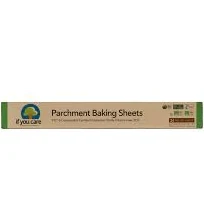
If You Care
Parchment Baking Sheets
- unbleached paper with silicone coating
- The brand calls it PFAS-free, which we have not verified
- Silicone coating degradation at high heat
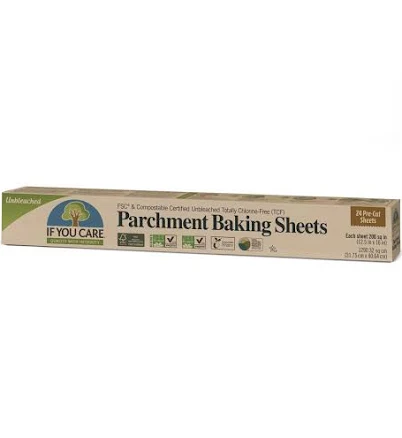
If You Care
Parchment Baking Sheets
- bleached paper with silicone coating
- The brand calls it PFAS-free, which we have not verified
- Paper degradation and fragmentation
More parchment paper & baking liners grades
How we score, every product runs through the same public 0-100 rubric based on materials, coatings, brand disclosure, lab findings, and recalls. See the full methodology → Spotted a mistake? Report an error.