OXO · Parchment Paper & Baking Liners
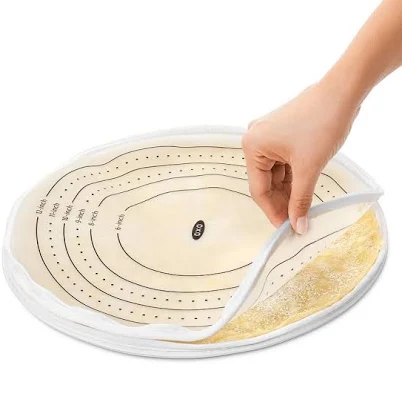
OXO Good Grips Silicone Dough Rolling Bag
Lower concern. Silicone reusable bag unlikely to contain PFAS.
Food-grade silicone doesn't use nonstick or water-repellent treatments that typically need PFAS. While the brand hasn't stated a position, silicone itself isn't a known PFAS source here.
The better-graded swap
If You Care
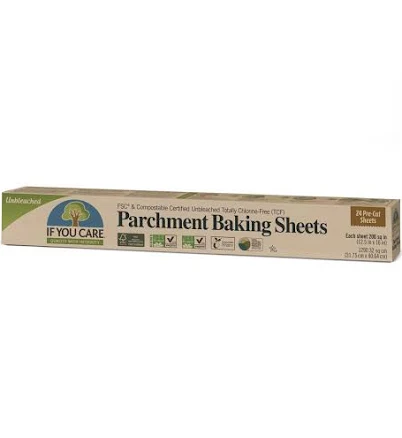
If You Care Parchment Baking Sheets
90/100 safety
Same rubric that flunked this product. The swap earned Excellent.
Still want this one anyway? Check the price on Amazon. We’d swap it.
Material
Food-grade silicone
Lab data
No public lab test
What OXO Good Grips Silicone Dough Rolling Bag is made of, ingredients and materials
This product is constructed from food-grade silicone, a synthetic rubber polymer designed to withstand repeated heating and cooling without breaking down chemically. Unlike coated cookware (which can shed Teflon-type coating or ceramic), silicone itself shows lower concern for off-gassing at normal cooking temperatures (typically to ~400-450°F depending on formulation). The main safety question with silicone is whether fillers, colorants, or processing aids leach into food; food-grade designation means it has passed FDA or equivalent migration testing, though additives composition remains proprietary.
What’s concerning
Category baseline
The starting point for this type of product, before anything specific to this product is counted.
No PFAS disclosure
No public statement from the brand about PFAS in this product.
Silicone degradation and microparticle release
Silicone can degrade under high heat, UV exposure, or mechanical stress over time. No recalls or field reports document silicone microparticle contamination from OXO bags, but long-term migration studies are limited in published literature.
Thermal stability at high temperatures
While silicone is stable to moderate heat, exposure above manufacturer-stated limits (typically 450°F) may cause crosslink breakdown and volatile off-gassing. OXO does not publish detailed thermal stability data at extreme temperatures.
What’s reassuring
Base material not linked to PFAS
The main material recorded for this product is not one associated with PFAS.
Colorant and filler leaching
Food-grade silicone certification implies colorants and fillers have been tested for migration at use temperatures. No documented incidents of OXO silicone bags contaminating food; however, proprietary formulations mean full additive lists are not publicly disclosed.
Coating or laminate separation
The bag's structure is monolithic silicone rather than a coated textile, reducing delamination risk. No recalls or user reports document coating separation from this product type.
The full breakdown
The brand's record and disclosure
OXO (a subsidiary of Helen of Troy) has not faced major safety recalls or public controversies tied to silicone cookware products. The brand does not publish detailed PFAS or chemical composition statements for this category, which is typical among kitchen tool manufacturers. OXO maintains FDA compliance and Good Manufacturing Practice certifications for food-contact items. No established reports link OXO silicone bags to contamination or degradation incidents.
How it compares in its category
Silicone dough bags show lower concern than single-use plastic wrap (which can leach plasticizers when heated) or coated baking sheets (which may shed ceramic or Teflon-type coating). Compared to traditional canvas or cotton pastry cloths, silicone eliminates the question of dye stability and formaldehyde-based fabric finishes. The reusable design also reduces microplastic shedding and chemical exposure from disposable films, positioning it favorably in the low-hazard range of cooking aids.
If you buy it
Follow the manufacturer's stated temperature limits (typically 400-450°F); avoid prolonged exposure to direct flame or broiler heat, which can degrade the material faster. Wash by hand or gentle machine cycle with mild soap to extend lifespan and avoid abrasive scrubbing that may compromise the surface. Replace the bag if you notice discoloration, brittleness, or visible tears, as degradation could introduce microsilica or residual monomers into food. Store in a cool, dry place away from direct sunlight to prevent oxidative aging.
What we don’t know
- Basis
- Model estimate, 85% confidence, not a lab result
- Lab test
- None on record for this exact product
- Brand statement
- OXO has made a specific claim
Formulations change between production runs, so check the current label. How we grade.
Better-graded alternatives in Parchment Paper & Baking Liners
If You Care
Baking Paper, Parchment, 70 Square Feet
- silicone-coated parchment paper
- The brand calls it PFAS-free, which we have not verified
- Paper degradation and particulate shedding
If You Care
Parchment Baking Sheets
- unbleached paper with silicone coating
- The brand calls it PFAS-free, which we have not verified
- Silicone coating degradation at high heat
If You Care
Parchment Baking Sheets
- bleached paper with silicone coating
- The brand calls it PFAS-free, which we have not verified
- Paper degradation and fragmentation
More parchment paper & baking liners grades
How we score, every product runs through the same public 0-100 rubric based on materials, coatings, brand disclosure, lab findings, and recalls. See the full methodology → Spotted a mistake? Report an error.