OXO · Parchment Paper & Baking Liners
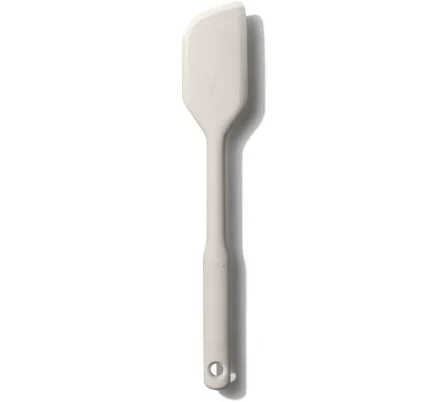
OXO Good Grips Silicone Spatula
Reduced risk from silicone, which rarely uses PFAS.
Food-grade silicone doesn't need Teflon-family coating coatings to perform. OXO doesn't discuss PFAS, but the material itself avoids the usual chemical risks.
The better-graded swap
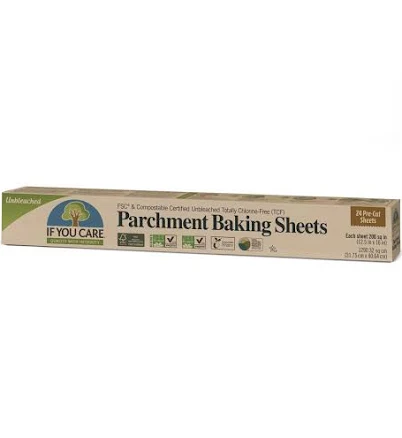
If You Care
If You Care Parchment Baking Sheets
90/100 safety
Same rubric that flunked this product. The swap earned Excellent.
Still want this one anyway? Check the price on Amazon. We’d swap it.
Material
Food-grade silicone
Lab data
No public lab test
What OXO Good Grips Silicone Spatula is made of, ingredients and materials
OXO Good Grips spatulas are made from food-grade silicone, a synthetic rubber polymer that is chemically inert and does not leach when used at normal cooking temperatures. Silicone is inherently non-toxic because it lacks the reactive chemical groups found in coatings like Teflon-type coating or ceramic glazes. The handle is typically a blend of silicone and thermoplastic rubber for grip ergonomics, both of which are regulated food-contact materials under FDA guidelines.
What’s concerning
No PFAS disclosure
No public statement from the brand about PFAS in this product.
Category baseline
The starting point for this type of product, before anything specific to this product is counted.
Handle adhesive or filler contamination
The thermoplastic rubber handle may contain minor additives (colorants, processing aids) not disclosed publicly. These are typically within FDA permitted limits but exact formulations are proprietary. No specific contamination reports for OXO spatulas are documented.
Bacterial growth in cracks or seams
Over extended use, surface cracks can trap bacteria and food particles that are difficult to remove. This is a hygiene concern rather than a toxicity hazard, and is manageable with hand washing and timely replacement.
What’s reassuring
Base material not linked to PFAS
The main material recorded for this product is not one associated with PFAS.
Silicone leaching at high temperature
Food-grade silicone is remarkably stable; published research shows no meaningful leaching of oligomers or additives even at temperatures well above typical cookware use. No recalls or consumer reports of this issue for OXO or competitor silicone spatulas exist.
Thermal degradation and fume release
Unlike Teflon-type coating nonstick coatings, silicone does not release toxic fumes when overheated. The material undergoes slow physical breakdown rather than chemical decomposition, degrading to inert particles rather than harmful gases.
Lead
Food-grade silicone colorants are subject to FDA regulations on heavy metals; no recalls or test failures for OXO silicone products on this basis are on record. Transparent or unfilled silicone carries minimal risk.
Source, ATSDR ↗The full breakdown
The brand's record and disclosure
OXO has not made public statements specifically addressing PFAS avoidance in silicone products, but this silence reflects industry norm rather than proven concern for this material class. The brand holds no known major product safety recalls related to cookware leaching or degradation. OXO is ISO 9001 certified and uses third-party testing for food-contact materials, though detailed test reports are not published to consumers.
How it compares in its category
Silicone spatulas present lower concern for coating degradation than nonstick metal spatulas and lower concern for cracking than glass spatulas. Unlike wooden or bamboo alternatives, silicone does not absorb moisture, harbor bacteria in grain structure, or require periodic oil conditioning. Most competitors in the heat-resistant silicone utensil market (Calphalon, Le Creuset, Rubbermaid) have similar safety profiles with no established differentiation.
If you buy it
Use the spatula up to its rated heat limit (typically 400-600 degrees Fahrenheit depending on specific model; check product label). Hand wash after use rather than dishwasher to extend life; prolonged heat and detergent exposure can slightly soften silicone over years. Replace if the surface becomes sticky, discolored, or develops cracks that trap food particles. Store away from direct sunlight to slow minor color fading.
What we don’t know
- Basis
- Model estimate, 82% confidence, not a lab result
- Lab test
- None on record for this exact product
- Brand statement
- OXO has made a specific claim
Formulations change between production runs, so check the current label. How we grade.
Better-graded alternatives in Parchment Paper & Baking Liners
If You Care
Baking Paper, Parchment, 70 Square Feet
- silicone-coated parchment paper
- The brand calls it PFAS-free, which we have not verified
- Paper degradation and particulate shedding
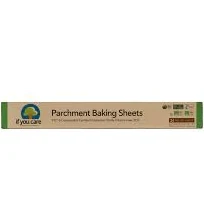
If You Care
Parchment Baking Sheets
- unbleached paper with silicone coating
- The brand calls it PFAS-free, which we have not verified
- Silicone coating degradation at high heat
If You Care
Parchment Baking Sheets
- bleached paper with silicone coating
- The brand calls it PFAS-free, which we have not verified
- Paper degradation and fragmentation
More parchment paper & baking liners grades
How we score, every product runs through the same public 0-100 rubric based on materials, coatings, brand disclosure, lab findings, and recalls. See the full methodology → Spotted a mistake? Report an error.