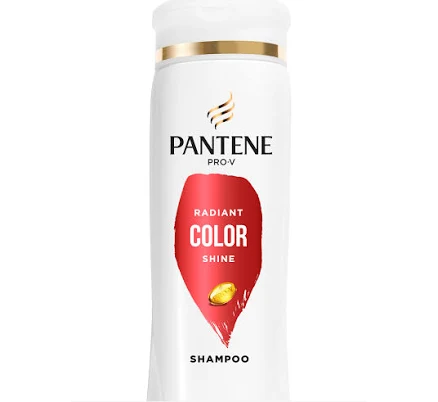
Pantene Pro-V Radiant Color Shine Shampoo
Lower concern; conventional shampoo with no known PFAS drivers, but no brand commitment.
This water-based rinse-off lacks water-resistance or nonstick coatings. Pantene makes no public PFAS disclosures, though no third-party data flags PFAS in this product.
We flunk more products than we pass. This one earned its grade. How we grade
Material
Aqueous shampoo base with surfactants, silicones, and conditioning agents
Brand disclosure
Brand is silent on PFAS
Lab data
No public lab test
You may also be interested in
Top-graded picks in the categories readers replace first, every one scored on the same rubric.

- polypropylene filter housing, carbon/sediment cartridge
- We found no PFAS statement from the brand
- Bacterial growth in spent cartridges
3 hazards checked on this product, all on its full breakdown.

Aquasure
Premier Series 75 GPD Under Sink Reverse Osmosis Water Filtration System
- RO membrane, carbon filters, stainless steel housing
- We found no PFAS statement from the brand
- Bacterial and microbial growth in housing and filters
4 hazards checked on this product, all on its full breakdown.

Avocado
Vegan Mattress
- organic cotton, natural latex, coconut coir, recycled steel coils
- The brand calls it PFAS-free, which we have not verified
- Heavy metals
2 hazards checked on this product, all on its full breakdown.
What Pantene Pro-V Radiant Color Shine Shampoo is made of, ingredients and materials
Pantene Pro-V Radiant Color Shine is an aqueous shampoo formulation built on anionic surfactants (likely sodium lauryl sulfate or similar), silicones (common in conditioning shampoos to seal and smooth hair), and polymers that deposit on the hair shaft for shine and color lock-in. The 'color shine' claim relies on these film-forming silicones and conditioning agents layering on hair rather than any systemic ingredient; they rinse away after use. No known hazardous heavy metals, formaldehyde releasers, or banned colorants have been disclosed in public safety records for this formula.
What’s concerning
Category baseline
The starting point for this type of product, before anything specific to this product is counted.
No PFAS disclosure
No public statement from the brand about PFAS in this product.
1,4-dioxane (residual from manufacturing)
Anionic surfactants used in this type of shampoo may contain trace 1,4-dioxane as a byproduct of ethoxylation. No public test results or recalls specific to this Pantene formula document levels; industry practice is to minimize residuals, and rinse-off exposure is low.
Fragrance allergen complexity
Pantene Pro-V formulas include fragrance compounds; some individuals report scalp or dermal sensitivity. Fragrance ingredients are not individually listed on consumer packaging due to trade secret protection, making targeted avoidance difficult for those with known fragrance sensitivities.
Silicone accumulation on hair and scalp
Repeated use of silicone-heavy conditioners can build up on hair strands and scalp if rinsing is insufficient. This is a cosmetic concern (dullness, buildup) rather than a toxicological hazard; no systemic absorption or dermal toxicity is established at use levels.
Eye irritation from surfactants
Anionic surfactants in shampoos are primary irritants to eye mucosa. This is expected behavior and reason for the 'avoid eyes' label; it is not a formulation defect but an inherent property of effective cleansing surfactants.
What’s reassuring
Base material not linked to PFAS
The main material recorded for this product is not one associated with PFAS.
Heavy metals
Color-care shampoos may use iron oxides or other pigments; no public testing or regulatory findings of lead, cadmium, or other banned metals in this Pantene product have been disclosed. FDA oversight of cosmetic colorants is periodic but no recalls tied to this line are on record.
Source, FDA ↗How is this PFAS grade calculated?
The brand's record and disclosure
Pantene (Procter & Gamble subsidiary) maintains general safety compliance with FDA and EU cosmetic regulations but does not publish detailed ingredient sourcing or PFAS commitment statements specific to this or other shampoos. The brand has not faced major recalls or safety controversies tied to this product line. Ingredient transparency is standard for a mass-market brand, though formulation changes occur without public announcement.
How it compares in its category
This shampoo sits in the mainstream mass-market segment. Competitor brands (e.g., L'Oreal, Dove, SheaMoisture) use similar surfactant and silicone chemistry; this product is not differentiated by lower chemical load or premium sourcing. Salons and natural brands may avoid silicones entirely, but no evidence suggests Pantene's silicone levels pose dermal toxicity at use concentration and rinse rate.
If you buy it
Use as directed, wet hair, apply, massage scalp and strands, rinse thoroughly with warm water. Avoid contact with eyes; rinse immediately if it occurs. No special storage precautions needed beyond keeping away from extreme heat. Replace when empty; opened bottles do not require expiration monitoring within 1-2 years of normal bathroom storage. If scalp irritation or allergic reaction develops, discontinue and switch brands.
What is not known about PFAS in this product?
- Basis
- Model estimate, 72% confidence, not a lab result
- Lab test
- None on record for this exact product
- Brand statement
- Pantene has made none
Formulations change between production runs, so check the current label. How we grade.
More shampoo grades
How we score, every product runs through the same public 0-100 rubric based on materials, coatings, brand disclosure, lab findings, and recalls. See the full methodology → Spotted a mistake? Report an error.