Patagonia · Cycling Rain Jackets
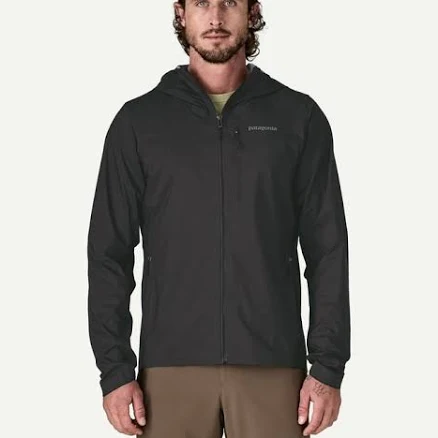
Patagonia Men's Trail Craft Jacket
A water-repellent or grease-resistant treatment of unstated chemistry, with a brand PFAS statement we have not verified.
Patagonia says 100% of its new products from Spring 2025 are made without intentionally added PFAS. We record that as an unverified brand claim. Its record describes a water-repellent or grease-resistant treatment of unstated chemistry, which is still counted.
Brand says: “Patagonia says 100% of its new products from Spring 2025 are made without intentionally added PFAS.”
Still want this one anyway? Check the price on Amazon. We’d swap it.
Material
Nylon with water-repellent coating water-repellent coating finish
Brand disclosure
Brand claims PFAS-free
Lab data
No public lab test
What Patagonia Men's Trail Craft Jacket is made of, ingredients and materials
The Trail Craft Jacket is nylon with a water-repellent coating (water-repellent coating) finish applied to the exterior. Nylon itself is a synthetic polymer with no inherent toxicity concern at normal use temperatures. The water-repellent coating finish is the critical unknown, it repels water and light oils, but the specific chemistry (whether fluorinated, silicone-based, or other) is not disclosed on product documentation. This finish degrades over time with washing and wear, which is normal and does not create a safety hazard, but requires reapplication.
What’s concerning
Waterproof / stain-resistant treatment
Water-repellent coating treatments have historically used PFAS.
Category baseline
The starting point for this type of product, before anything specific to this product is counted.
water-repellent coating chemistry opacity (fluorinated vs. non-fluorinated)
The specific water-repellent treatment is not named in product documentation. Patagonia claims PFAS-free but has not published the alternative chemistry (likely silicone or other non-fluorinated polymer). Absence of disclosure makes independent verification impossible.
Nylon degradation and microfiber shedding
Nylon textiles shed microfibers during washing and wear, a known environmental and potential ingestion pathway. This is not unique to Patagonia but inherent to nylon garments. Frequency increases with washing and abrasion.
water-repellent coating reapplication product safety
When you reapply water-repellent coating using commercial sprays or washes, those products may contain PFAS or other solvents. The long-term use hazard depends on the aftermarket product chosen, not the original jacket.
What’s reassuring
Brand-stated PFAS-free
The brand states this product is PFAS-free. We have not verified the claim.
Azo dyes in color pigmentation
No recalls or safety alerts on record for azo dyes in Patagonia nylon jackets. The brand typically sources from suppliers with restricted substance lists, but specific dye testing data is not publicly disclosed.
Formaldehyde / VOCs
Nylon does not require formaldehyde-based wrinkle resistance treatments. No evidence of formaldehyde contamination in Patagonia performance textiles, though full chain transparency is absent.
Source, ATSDR ↗The full breakdown
The brand's record and disclosure
Patagonia has made a public commitment to eliminate PFAS from its product line and uses this claim prominently in marketing. However, the company has not provided independent verification of which products meet PFAS-free status or the specific water-repellent coating chemistry used in this jacket. Patagonia is known for transparency on materials in other product lines (e.g., down source, wool origin) but water-repellent coating treatment formulations remain proprietary across the outdoor industry. Buyers should treat the PFAS-free claim as aspirational pending third-party confirmation.
How it compares in its category
Rain jackets in this price and performance tier typically use nylon with fluorinated or non-fluorinated water-repellent coating finishes. Patagonia's commitment to PFAS elimination is stronger than many direct competitors, though verification lags marketing. Budget alternatives often do not disclose water-repellent coating type at all. Premium alternatives from brands like Arc'teryx and The North Face similarly claim PFAS reduction but face the same verification gap. In practice, nylon durability and water-repellent coating longevity are comparable across major brands.
If you buy it
Wash the jacket in cool water with minimal agitation; water-repellent coating finishes degrade faster with heat and mechanical stress. Avoid fabric softeners and bleach. Do not machine dry; air dry only. Reapply water-repellent coating treatment every 1-2 years of regular use using a commercial product matching the original finish type (or ask Patagonia's customer service which treatment is compatible). The nylon itself will not degrade or leach at normal wearing temperatures. If the seams begin to fray or tape separates, the jacket's water resistance is compromised and replacement is warranted.
What we don’t know
- Basis
- Model estimate, 45% confidence, not a lab result
- Lab test
- None on record for this exact product
- Brand statement
- Patagonia has made a specific claim
Formulations change between production runs, so check the current label. How we grade.
More cycling rain jackets grades
How we score, every product runs through the same public 0-100 rubric based on materials, coatings, brand disclosure, lab findings, and recalls. See the full methodology → Spotted a mistake? Report an error.