Arc'teryx · Cycling Rain Jackets
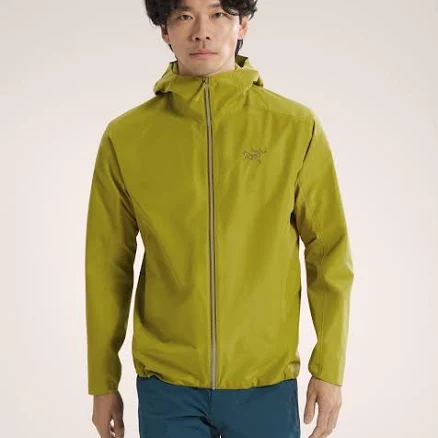
Arc'teryx Solano Hoody Men's
Waterproof hoody with unspecified water-repellent coating; PFAS risk unclear without disclosure.
Arc'teryx does not disclose PFAS or water-repellent coating chemistry for this hoody. Waterproof outdoor gear typically uses fluorinated treatments, but brand transparency is absent.
Still want this one anyway? Check the price on Amazon. We’d swap it.
Material
Nylon with water-repellent coating (water-repellent coating) treatment
Lab data
No public lab test
What Arc'teryx Solano Hoody Men's is made of, ingredients and materials
The Solano Hoody uses nylon as its base fabric with a water-repellent coating (water-repellent coating) finish applied to the exterior. water-repellent coating treatments historically relied on PFOA and PFOS (long-chain fluorochemicals), though many brands have shifted to shorter-chain alternatives or non-fluorinated options in recent years. Arc'teryx has not publicly disclosed which water-repellent coating chemistry this garment uses, meaning the fluorochemical profile remains unknown. Nylon itself is chemically stable during normal wear, but the applied finish is the primary concern.
What’s concerning
Waterproof / stain-resistant treatment
Water-repellent coating treatments have historically used PFAS.
Category baseline
The starting point for this type of product, before anything specific to this product is counted.
No PFAS disclosure
No public statement from the brand about PFAS in this product.
PFAS
Nylon water-repellent coating finishes may contain legacy or short-chain fluorochemicals; Arc'teryx provides no disclosure. Dermal absorption during wear is low, but environmental persistence and potential bioaccumulation during manufacturing and laundering remain unaddressed by the brand.
Source, ATSDR ↗Degradation and re-treatment chemical exposure
What’s reassuring
Formaldehyde / VOCs
No evidence of formaldehyde-containing dyes or fabric treatments in Arc'teryx nylon apparel; standard nylon production and water-repellent coating application do not require formaldehyde chemistry.
Source, ATSDR ↗Azo dyes
Arc'teryx does not use restricted azo dyes in documented production; nylon and synthetic apparel from reputable brands typically avoid these, and no recalls or complaints have emerged for this product.
Antimony in polyester
This product is nylon, not polyester; antimony is not a primary concern for nylon fiber production, though recycled content would require verification if present.
The full breakdown
The brand's record and disclosure
Arc'teryx has no published statements specifically addressing PFAS reduction, alternative water-repellent coating chemistry, or third-party testing transparency for this product line. The brand does not list BLUESIGN or similar textile safety certifications for the Solano Hoody. Arc'teryx markets premium outdoor gear but has remained largely silent on chemical disclosure compared to competitors like Patagonia or Rab, which have made public commitments to phasing out legacy PFAS in waterproof apparel. This lack of transparency is the primary concern for a technical jacket in this price range.
How it compares in its category
Mid to premium-tier hardshell hoodies vary widely in water-repellent coating approach. Patagonia explicitly moved away from PFOA-based finishes years ago; Rab offers BLUESIGN certified options; many budget brands disclose nothing either. The Solano sits in the high-end category where consumer expectation for chemical transparency is highest, yet Arc'teryx provides no competitive advantage on this metric. For a garment at this price point, disclosure and third-party certification would be industry standard among leaders.
If you buy it
Wash separately in cool water with minimal detergent to avoid stripping the water-repellent coating and triggering re-treatment needs, which often involve additional chemical application. Air dry only; heat from a dryer can damage nylon and accelerate any chemical leaching, though normal wearing conditions pose minimal dermal exposure risk. Expect to re-apply water-repellent coating treatments every 1-2 years depending on use; choose a PFAS-free or disclosed formulation when you do. If you have concerns about fluorochemical exposure, contact Arc'teryx directly to request water-repellent coating chemistry disclosure before purchase.
What we don’t know
- Basis
- Model estimate, 45% confidence, not a lab result
- Lab test
- None on record for this exact product
- Brand statement
- Arc'teryx has made a specific claim
Formulations change between production runs, so check the current label. How we grade.
Better-graded alternatives in Cycling Rain Jackets
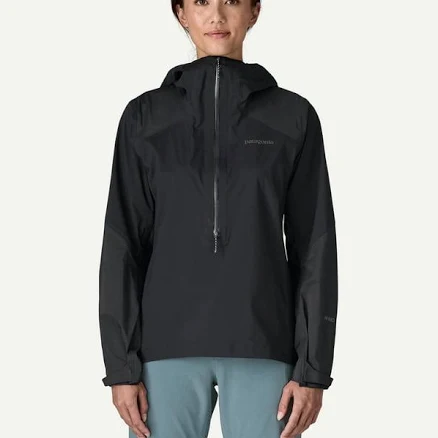
Patagonia
Women's Dirt Roamer Storm Jacket
- polyester shell with water-repellent coating finish
- The brand calls it PFAS-free, which we have not verified
- Azo dyes and color fastness
4 hazards checked on this product. See all of them.
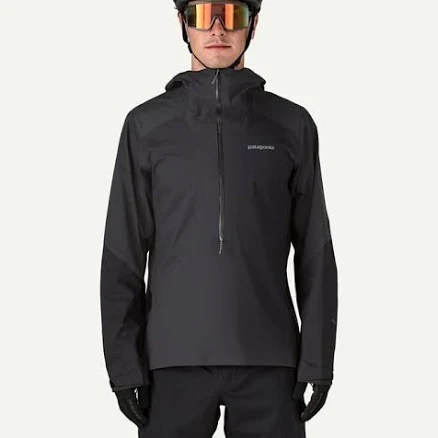
Patagonia
Men's Dirt Roamer Storm Jacket
- nylon/polyester with water-repellent coating water treatment
- The brand calls it PFAS-free, which we have not verified
- PFAS
3 hazards checked on this product. See all of them.
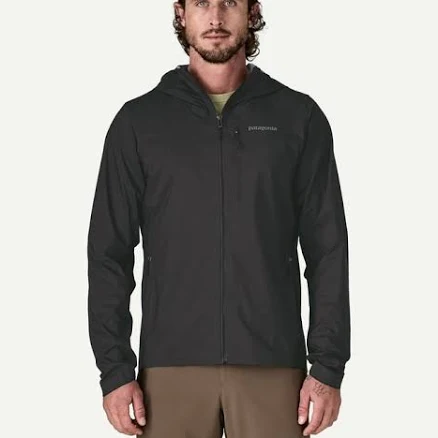
Patagonia
Men's Trail Craft Jacket
- Nylon with water-repellent coating water-repellent coating finish
- The brand calls it PFAS-free, which we have not verified
- water-repellent coating chemistry opacity (fluorinated vs. non-fluorinated)
3 hazards checked on this product. See all of them.
More cycling rain jackets grades
How we score, every product runs through the same public 0-100 rubric based on materials, coatings, brand disclosure, lab findings, and recalls. See the full methodology → Spotted a mistake? Report an error.