Decathlon · Cycling Rain Jackets
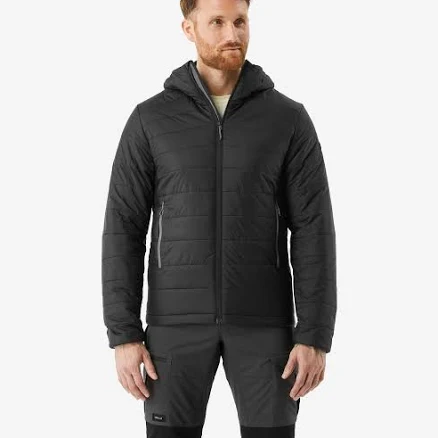
Forclaz Men's Trek 100 Synthetic Down Puffer Backpacking Jacket
Synthetic down jacket with unknown water-repellent coating chemistry; limited transparency.
Decathlon does not disclose PFAS status or water-repellent coating chemistry for this jacket. Synthetic down and polyester are inherently lower concern, but the water-repellent finish is a common PFAS application with no brand clarity.
Still want this one anyway? Check the price on Amazon. We’d swap it.
Material
synthetic down, polyester shell with water-repellent coating treatment
Brand disclosure
Brand is silent on PFAS
Lab data
No public lab test
You may also be interested in
Top-graded picks in the categories readers replace first, every one scored on the same rubric.

- polypropylene filter housing, carbon/sediment cartridge
- We found no PFAS statement from the brand
- Bacterial growth in spent cartridges
3 hazards checked on this product, all on its full breakdown.

Aquasure
Premier Series 75 GPD Under Sink Reverse Osmosis Water Filtration System
- RO membrane, carbon filters, stainless steel housing
- We found no PFAS statement from the brand
- Bacterial and microbial growth in housing and filters
4 hazards checked on this product, all on its full breakdown.

Avocado
Vegan Mattress
- organic cotton, natural latex, coconut coir, recycled steel coils
- The brand calls it PFAS-free, which we have not verified
- Heavy metals
2 hazards checked on this product, all on its full breakdown.
What Forclaz Men's Trek 100 Synthetic Jacket is made of, ingredients and materials
The Forclaz Trek 100 uses polyester microfiber as synthetic down fill paired with a polyester shell. The shell has a water-repellent coating (water-repellent coating) coating applied to shed moisture, but Decathlon has not publicly disclosed whether this coating contains PFAS (per-fluorinated chemicals). Polyester itself is stable, but the water-repellent coating finish is the chemical exposure point. No independent testing of this specific jacket's water-repellent coating chemistry has been published.
What’s concerning
Waterproof / stain-resistant treatment
Water-repellent coating treatments have historically used PFAS.
Category baseline
The starting point for this type of product, before anything specific to this product is counted.
No PFAS disclosure
No public statement from the brand about PFAS in this product.
PFAS
Polyester shell has a water-repellent finish; Decathlon has not disclosed whether this is PFAS-based or alternative chemistry. water-repellent coating off-gassing is minimal during normal wear but can increase with heat or laundering.
Source, ATSDR ↗Azo dyes in shell and lining
Synthetic apparel commonly uses azo dyes for dark colors. No third-party certification (such as OEKO-TEX) is listed for this product, so dye safety is unconfirmed. Color bleeding into skin is unlikely but not ruled out in wet conditions.
Microplastic shedding from synthetic fill
Synthetic down fibers may shed microplastics during washing and wear, though this is a general risk for all synthetic insulation jackets. Gentle washing and avoiding abrasion reduces shedding.
What’s reassuring
Formaldehyde / VOCs
No independent testing or recalls of formaldehyde in Decathlon synthetic jackets have been published. Standard polyester production and finishing may involve trace formaldehyde; pre-wear rinsing minimizes this risk.
Source, ATSDR ↗Antimony in polyester
Polyester is produced with antimony catalysts; residual antimony in finished fabric is typically negligible and not reported as a hazard in apparel. No recalls or warnings for this jacket exist.
How is this PFAS grade calculated?
The brand's record and disclosure
Decathlon is a large retailer with no public commitment to PFAS phase-out or transparency in their outerwear water-repellent coating treatments. The company has not published chemical disclosures or third-party certifications (such as bluesign or similar) for this product line. Their silence on water-repellent coating chemistry is typical of budget outdoor brands but leaves users without clarity on fluorinated vs. non-fluorinated water treatments.
How it compares in its category
Budget synthetic insulation jackets at this price point almost always use water-repellent coating coatings of unknown chemistry; Decathlon's silence is not unusual but also not reassuring. Mid-range and premium brands (Arc'teryx, Patagonia, Mountain Equipment) have moved toward PFAS-free or disclosed water-repellent coating, making this jacket less transparent than competitors. For the cost, the synthetic down and polyester construction are standard; the water-repellent coating uncertainty is the main differentiator.
If you buy it
Rinse the jacket thoroughly in cool water before wearing to reduce loose water-repellent coating residues and any manufacturing dust. Avoid dry cleaning, which can reactivate or mobilize water-repellent coating coatings. Wash in cold water with mild detergent every 1-2 seasons; avoid fabric softener and heat drying, which degrade synthetic insulation and can concentrate any remaining coatings. Replace after 5-7 years of heavy use or if the fill clumps or loses loft.
What is not known about PFAS in this product?
- Basis
- Model estimate, 55% confidence, not a lab result
- Lab test
- None on record for this exact product
- Brand statement
- Decathlon has made none
Formulations change between production runs, so check the current label. How we grade.
What are the PFAS-free alternatives to Forclaz Men's Trek 100 Synthetic Down Puffer Backpacking Jacket?
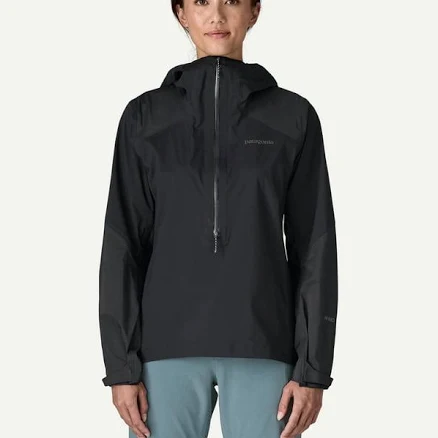
- polyester shell with water-repellent coating finish
- The brand calls it PFAS-free, which we have not verified
- Azo dyes and color fastness
4 hazards checked on this product, all on its full breakdown.
Find an alternative on Amazon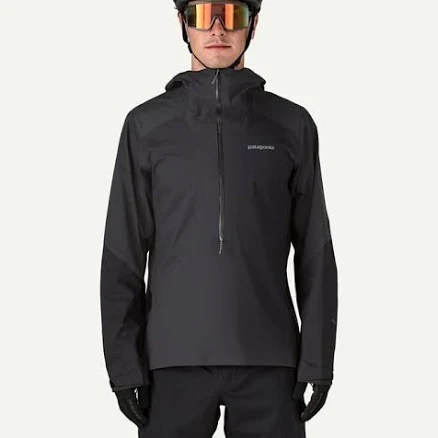
- nylon/polyester with water-repellent coating water treatment
- The brand calls it PFAS-free, which we have not verified
- PFAS
3 hazards checked on this product, all on its full breakdown.
Find an alternative on Amazon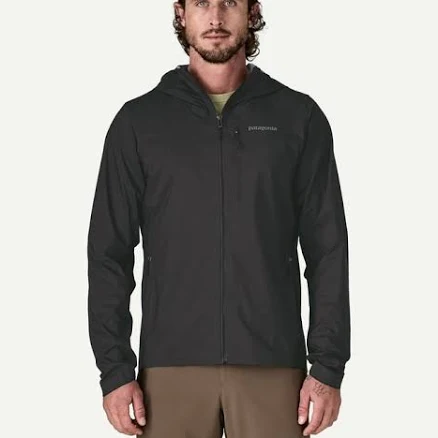
- Nylon with water-repellent coating water-repellent coating finish
- The brand calls it PFAS-free, which we have not verified
- water-repellent coating chemistry opacity (fluorinated vs. non-fluorinated)
3 hazards checked on this product, all on its full breakdown.
Find an alternative on AmazonMore cycling rain jackets grades
How we score, every product runs through the same public 0-100 rubric based on materials, coatings, brand disclosure, lab findings, and recalls. See the full methodology → Spotted a mistake? Report an error.