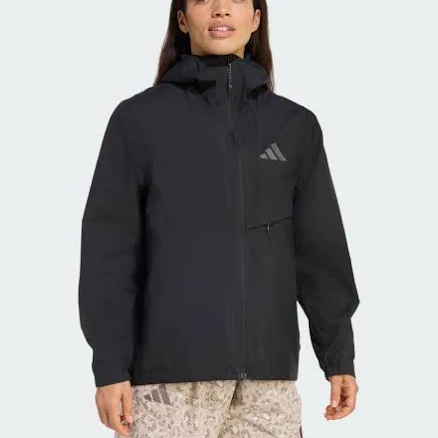
adidas Terrex Multi 2-Layer CLIMAPROOF Rain Jacket
water-repellent coating rain jacket; PFAS risk unclear without coating disclosure.
Adidas does not disclose CLIMAPROOF coating chemistry. Many water-repellent coating treatments historically use PFAS, though some brands now use PFAS-free alternatives. No third-party verification available.
Still want this one anyway? Check the price on Amazon. We’d swap it.
Material
Polyester with CLIMAPROOF water-repellent coating (water-repellent coating) coating
Lab data
No public lab test
What adidas Terrex Multi 2-Layer CLIMAPROOF is made of, ingredients and materials
This jacket is polyester with a CLIMAPROOF water-repellent coating (water-repellent coating) coating applied to the outer layer. water-repellent coating coatings shed water but degrade over time and washing, requiring periodic reapplication. The specific chemistry of Adidas's CLIMAPROOF formulation is not publicly disclosed; industry-standard water-repellent coating finishes historically relied on long-chain PFAS (C8 and longer), though some manufacturers have shifted to shorter-chain alternatives or fluorine-free options. Without transparent ingredient disclosure, the PFAS composition cannot be independently verified.
What’s concerning
Waterproof / stain-resistant treatment
Water-repellent coating treatments have historically used PFAS.
Category baseline
The starting point for this type of product, before anything specific to this product is counted.
No PFAS disclosure
No public statement from the brand about PFAS in this product.
Antimony in polyester
Polyester production can use antimony as a catalyst; trace residues may remain. Levels in finished garments are typically low and not regulated as a hazard in wearables, but cannot be ruled out without fiber analysis. Not a practical concern for normal wear.
water-repellent coating off-gassing and skin irritation
New water-repellent coating-coated jackets may off-gas volatile compounds with initial wear, particularly if treated with perfluorinated chemicals. Symptoms are rare but can include mild respiratory or skin irritation in sensitive individuals. Proper ventilation before first wear reduces risk.
Coating degradation and uncontrolled leaching
As water-repellent coating coatings break down (through washing, UV exposure, or wear), micro-particles and dissolved compounds may leach into skin or perspiration. Consumer complaints of rashes after repeated washing exist in online forums but are not formally documented in medical literature; risk is low for occasional users but increases with frequent rewashing.
What’s reassuring
Formaldehyde / VOCs
Polyester textiles can retain formaldehyde from manufacturing finishes; no specific recalls or reports exist for Adidas Terrex jackets. Standard washing removes residual formaldehyde; this is not a primary concern for this product category.
Source, ATSDR ↗Azo dyes
Adidas is a ZDHC signatory and subject to restricted azo dye standards in its supply chain. No evidence of banned azo dyes in this product line is publicly documented.
The full breakdown
The brand's record and disclosure
Adidas has not published a detailed, publicly accessible list of water-repellent coating suppliers or chemical compositions for its Terrex line. The brand signed the Roadmap to Zero Discharge of Hazardous Chemicals (ZDHC) in 2011 but does not provide product-level PFAS transparency comparable to some competitors (e.g., Patagonia's recent PFAS reduction commitments). No recalls or regulatory violations specific to this jacket model are on record. Consumer reports of durability are positive, but chemical safety information remains largely supplier-opaque.
How it compares in its category
Most mainstream outdoor jackets (The North Face, Columbia, Arc'teryx) use water-repellent coating coatings with similar disclosure gaps; Patagonia and some specialist brands now explicitly state fluorine-free or shorter-chain PFAS use. This Adidas jacket is mid-market in terms of price and performance expectations. Compared to budget alternatives, it likely has better coating durability; compared to premium brands with transparent chemistry, it offers less assurance about PFAS alternatives. The category-wide shift toward disclosure has been slow, so this product is not an outlier in lacking transparency.
If you buy it
Wash sparingly (every 10-15 wears maximum) and use cool water and mild detergent to preserve the water-repellent coating; hot water accelerates degradation. Avoid prolonged skin contact with wet fabric immediately after washing, as residual coating compounds may leach slightly. Do not dry-clean or machine-dry on high heat. Expect to reapply water-repellent coating every 2-3 years with commercial products; test water beading on a small area after each wash. If you prioritize PFAS minimization, contact Adidas customer service directly to request coating composition before purchase.
What we don’t know
- Basis
- Model estimate, 45% confidence, not a lab result
- Lab test
- None on record for this exact product
- Brand statement
- Adidas has made a specific claim
Formulations change between production runs, so check the current label. How we grade.
Better-graded alternatives in Cycling Rain Jackets
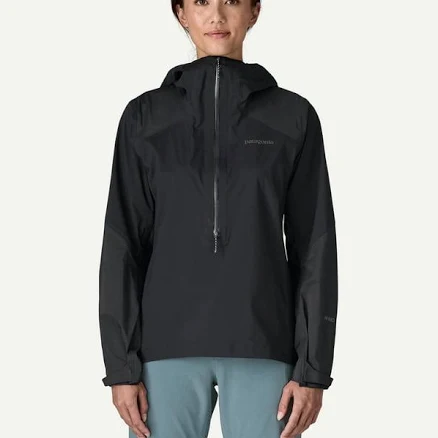
Patagonia
Women's Dirt Roamer Storm Jacket
- polyester shell with water-repellent coating finish
- The brand calls it PFAS-free, which we have not verified
- Azo dyes and color fastness
4 hazards checked on this product. See all of them.
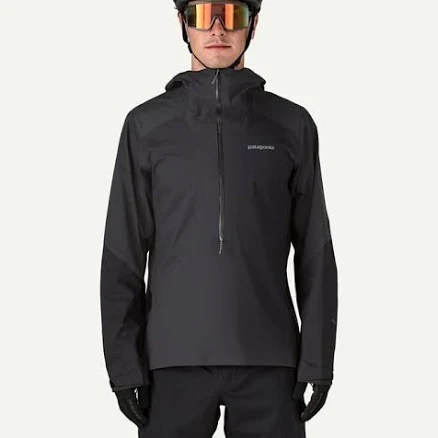
Patagonia
Men's Dirt Roamer Storm Jacket
- nylon/polyester with water-repellent coating water treatment
- The brand calls it PFAS-free, which we have not verified
- PFAS
3 hazards checked on this product. See all of them.
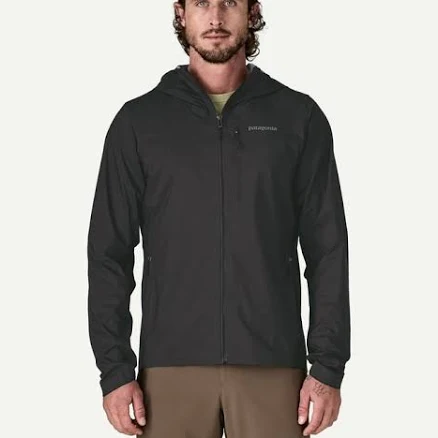
Patagonia
Men's Trail Craft Jacket
- Nylon with water-repellent coating water-repellent coating finish
- The brand calls it PFAS-free, which we have not verified
- water-repellent coating chemistry opacity (fluorinated vs. non-fluorinated)
3 hazards checked on this product. See all of them.
More cycling rain jackets grades
How we score, every product runs through the same public 0-100 rubric based on materials, coatings, brand disclosure, lab findings, and recalls. See the full methodology → Spotted a mistake? Report an error.