Arc'teryx · Cycling Rain Jackets
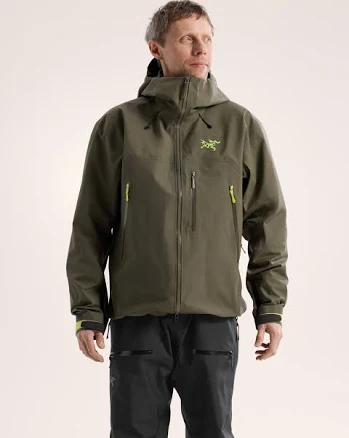
Arc'teryx Beta SV Jacket Men's
Premium Gore-Tex jacket; waterproofing PFAS risk unaddressed by brand.
Arc'teryx does not disclose PFAS use in the Beta SV. Gore-Tex traditionally relies on Teflon-family coating chemistry, though some newer membranes reduce PFAS content. Verify current supplier details directly with brand if concerned.
Still want this one anyway? Check the price on Amazon. We’d swap it.
Material
Gore-Tex membrane with nylon shell
Lab data
No public lab test
What Arc'teryx Beta SV Jacket Men's is made of, ingredients and materials
The Beta SV uses Gore-Tex membrane laminated to a nylon shell, a three-layer construction designed for durability and weather resistance. Gore-Tex's water-repellency historically relies on PFAS (PFAS "forever chemicals"), which are persistent chemicals that accumulate in the body and environment. The nylon outer layer is typically treated with additional water-repellent finishes; Arc'teryx has not publicly disclosed whether this jacket uses newer non-fluorinated water-repellent coating (water-repellent coating) alternatives. The membrane itself is engineered for breathability but does not pose chemical leaching risks during wear.
What’s concerning
Waterproof / stain-resistant treatment
Water-repellent coating treatments have historically used PFAS.
Category baseline
The starting point for this type of product, before anything specific to this product is counted.
No PFAS disclosure
No public statement from the brand about PFAS in this product.
PFAS
Gore-Tex membranes and most water-repellent coating treatments use PFAS; these chemicals migrate into washing water, groundwater, and bioaccumulate in human tissue. Arc'teryx has not disclosed fluorine-free alternatives for this model, confirming ongoing PFAS exposure during laundry and from wear.
Source, ATSDR ↗Formaldehyde / VOCs
Nylon shells often use formaldehyde-based resins for wrinkle resistance and shape retention; no Arc'teryx disclosure available for the Beta SV. Residual formaldehyde off-gassing is typically minimal in sealed outdoor jackets but possible in seam areas and during first wash.
Source, ATSDR ↗Azo dyes in nylon shell coloring
Nylon dyes may include restricted azo compounds banned in some jurisdictions; Arc'teryx production meets EU and North American standards but does not publish dye chemistry. Risk of skin sensitization is low due to sealed construction but cannot be ruled out for allergic individuals.
Microplastic shedding from synthetic fibers
Nylon shells naturally shed microfibers during washing; the Beta SV's durability reduces shedding compared to lower-quality synthetics, but high mechanical wear (rubbing under pack straps, seam stress) can increase fiber release into wastewater.
Adhesive and laminate degradation over time
The Gore-Tex laminate uses polyurethane-based adhesives that can delaminate with age and heat exposure; if membrane separates, interior glue residues may contact skin. Arc'teryx does not specify adhesive chemistry or expected service life.
The full breakdown
The brand's record and disclosure
Arc'teryx has not published a public stance on PFAS phase-out or disclosed specific chemistry for the Beta SV's water-repellent coating treatment. The brand holds ISO certifications for manufacturing standards but remains silent on fluorochemical use in finished products, which is typical of premium outdoor gear makers still using legacy Gore-Tex technology. No product-specific recalls or hazard warnings are on record for this jacket. Arc'teryx's parent company Salomon Group has begun transitioning some products to fluorine-free options, but the Beta SV line shows no announced reformulation.
How it compares in its category
The Beta SV sits at the high end of technical shell jackets; most competitors in this tier (Patagonia, The North Face premium lines, Fjallraven) still use PFAS-based water-repellent coating as standard, though some now offer fluorine-free variants. Gore-Tex Infinium and newer fluorine-free membrane technologies are available but less common in premium three-layer jackets. This product's PFAS exposure is not unique to Arc'teryx but reflects industry-wide reliance on fluorochemistry; the difference is transparency and willingness to transition, where Arc'teryx has lagged competitors like Patagonia in public commitment.
If you buy it
Wash separately in cool water with mild detergent to minimize PFAS leaching into household water; avoid machine drying or heat above 60C, which can degrade the membrane and nylon. Air dry flat or hang to preserve the water-repellent coating layer. Re-apply water-repellent coating treatments carefully using brands offering fluorine-free options (such as Nikwax) rather than fluorinated reapplication products. Inspect seams and membrane annually for delamination; if lining separates from nylon shell, wash contamination risk increases and replacement is advisable. Store dry and uncompressed to extend lifespan and reduce need for frequent chemical reapplication.
What we don’t know
- Basis
- Model estimate, 45% confidence, not a lab result
- Lab test
- None on record for this exact product
- Brand statement
- Arc'teryx has made a specific claim
Formulations change between production runs, so check the current label. How we grade.
Better-graded alternatives in Cycling Rain Jackets
Patagonia
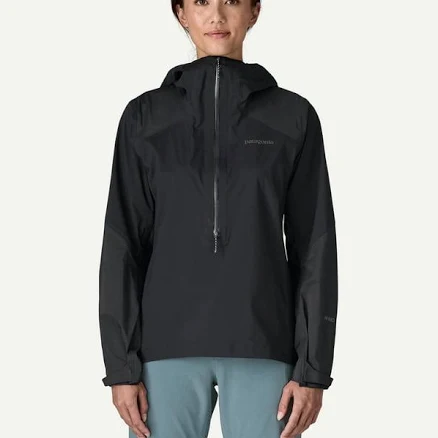
Women's Dirt Roamer Storm Jacket
- polyester shell with water-repellent coating finish
- The brand calls it PFAS-free, which we have not verified
- Azo dyes and color fastness
4 hazards checked on this product. See all of them.
Patagonia
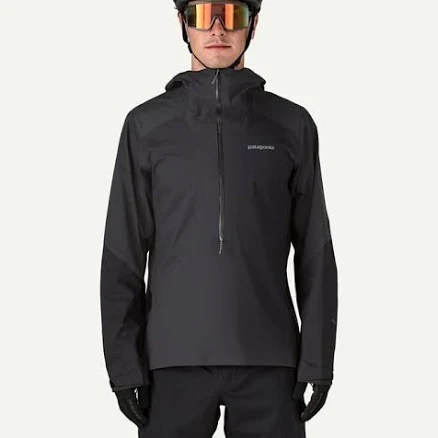
Men's Dirt Roamer Storm Jacket
- nylon/polyester with water-repellent coating water treatment
- The brand calls it PFAS-free, which we have not verified
- PFAS
3 hazards checked on this product. See all of them.
Patagonia
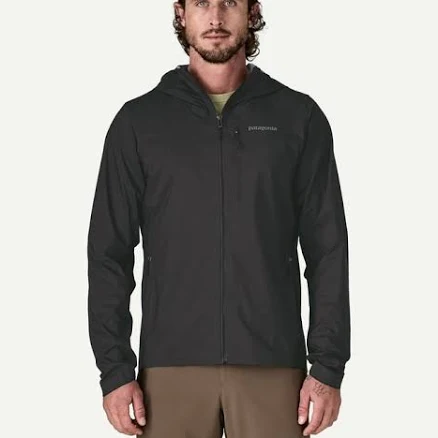
Men's Trail Craft Jacket
- Nylon with water-repellent coating water-repellent coating finish
- The brand calls it PFAS-free, which we have not verified
- water-repellent coating chemistry opacity (fluorinated vs. non-fluorinated)
3 hazards checked on this product. See all of them.
More cycling rain jackets grades
How we score, every product runs through the same public 0-100 rubric based on materials, coatings, brand disclosure, lab findings, and recalls. See the full methodology → Spotted a mistake? Report an error.