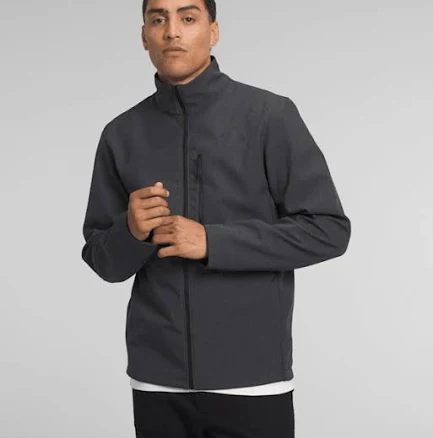
The North Face · Cycling Rain Jackets
The North Face Men's Apex Bionic 3 Jacket
water-repellent coating treatment likely contains PFAS; brand discloses nothing. Higher caution needed.
The Apex Bionic 3 uses water-repellent coating finishing typical of outdoor jackets, which historically rely on PFAS-based water repellents. The North Face has not publicly committed to PFAS-free treatments or disclosed alternatives for this model.
Still want this one anyway? Check the price on Amazon. We’d swap it.
Material
Nylon with water-repellent coating water-repellent finish
Lab data
No public lab test
What The North Face Men's Apex Bionic 3 Jacket is made of, ingredients and materials
The Apex Bionic 3 is constructed from nylon with a water-repellent coating (water-repellent coating) finish applied to the outer surface. water-repellent coating coatings on outdoor apparel commonly use PFAS-based chemistry to achieve water and stain resistance; nylon itself is a synthetic polymer with no inherent toxicity risk at normal temperatures. The concern centers on the finish, not the base fabric, and becomes relevant during manufacturing, wear, laundering, and eventual degradation rather than passive wearing.
What’s concerning
Waterproof / stain-resistant treatment
Water-repellent coating treatments have historically used PFAS.
Category baseline
The starting point for this type of product, before anything specific to this product is counted.
No PFAS disclosure
No public statement from the brand about PFAS in this product.
PFAS
Water-repellent finish on this product almost certainly contains PFAS compounds (likely C6 or legacy C8 formulations). Exposure occurs during manufacturing, through dermal contact during wear, and through laundering; bioaccumulation in humans and environment is a documented concern. Brand provides no transparency on which PFAS chemistry is used or whether alternatives have been evaluated.
Source, ATSDR ↗Azo dyes
Nylon jackets are frequently dyed; if conventional acid or disperse dyes are used, azo compounds may be present. The North Face does not disclose dye chemistry or compliance with restricted azo standards. Risk is lower than in cotton textiles but not eliminated without material safety data.
Coating degradation and microparticle shedding
As water-repellent coating coatings wear and flake off (normal after repeated washing), nylon fibers and coating fragments may shed. The extent and toxicological significance of inhaled or ingested microparticles from garment wear remain incompletely characterized, but shedding itself is a recognized phenomenon in synthetic textiles.
What’s reassuring
Formaldehyde / VOCs
Nylon and modern water-repellent coating treatments typically do not rely on formaldehyde-releasing chemistries. No established reports of formaldehyde concerns in The North Face nylon jackets; this hazard class is not a known issue for this product type.
Source, ATSDR ↗Antimony in polyester blends
This jacket is described as nylon-based without polyester content, so antimony catalyst contamination from polyester production is not applicable.
The full breakdown
The brand's record and disclosure
The North Face has not publicly committed to PFAS-free water-repellent coating treatments or disclosed which chemistries are used in specific products. The brand does not appear on lists of outdoor apparel companies that have adopted fluorine-free water-repellent standards, and transparency remains limited across their jacket lines. Industry peers including Patagonia and some premium brands have moved toward PFAS alternatives; The North Face's silence suggests legacy reliance on conventional PFAS-based water-repellent coating rather than innovation in this space.
How it compares in its category
Most nylon insulated and hybrid jackets in this price and performance tier use PFAS-based water-repellent coating finishes; the Apex Bionic 3 is typical rather than exceptional in this regard. Brands offering fluorine-free or lower-fluorine alternatives exist but are less common in mainstream outdoor retail at equivalent price points. If PFAS in textiles is a primary concern, specialty suppliers marketing PFAS-free jackets would represent a meaningful step up in transparency, though at potentially higher cost.
If you buy it
Wash separately in cold water and air-dry to minimize water-repellent coating degradation and avoid high-heat dryer cycles that can accelerate coating breakdown. Avoid dry cleaning, which may use additional solvents. Replace the jacket when the water-repellent coating visibly fails (water no longer beads on fabric) rather than continuing to wear it; once the coating degrades, protective benefit declines but the product remains wearable. If you plan frequent laundering or have specific PFAS exposure concerns, consider whether the water-repellent coating's functional lifespan justifies the chemical exposure profile for your use case.
What we don’t know
- Basis
- Model estimate, 55% confidence, not a lab result
- Lab test
- None on record for this exact product
- Brand statement
- The North Face has made a specific claim
Formulations change between production runs, so check the current label. How we grade.
Better-graded alternatives in Cycling Rain Jackets
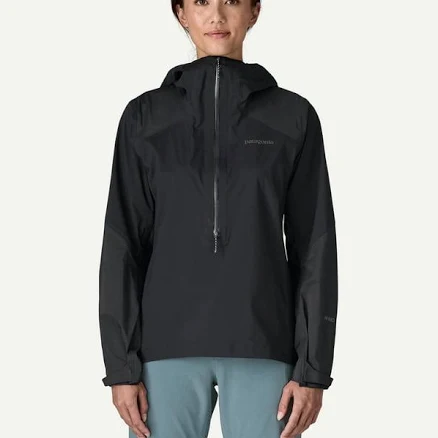
Patagonia
Women's Dirt Roamer Storm Jacket
- polyester shell with water-repellent coating finish
- The brand calls it PFAS-free, which we have not verified
- Azo dyes and color fastness
4 hazards checked on this product. See all of them.
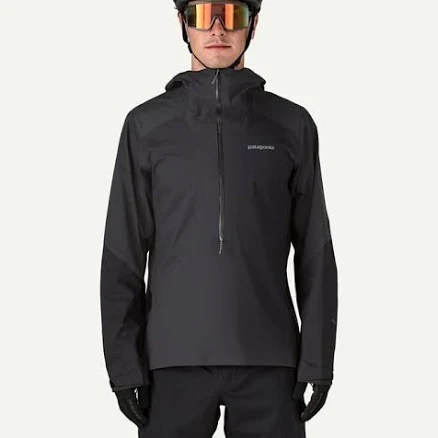
Patagonia
Men's Dirt Roamer Storm Jacket
- nylon/polyester with water-repellent coating water treatment
- The brand calls it PFAS-free, which we have not verified
- PFAS
3 hazards checked on this product. See all of them.
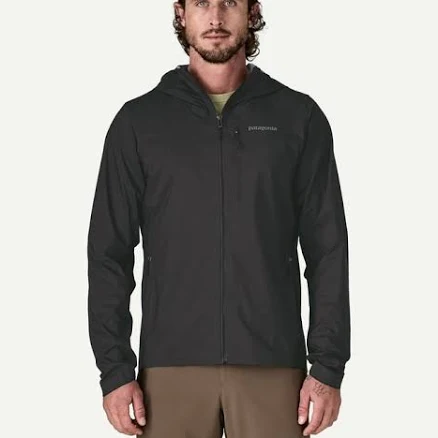
Patagonia
Men's Trail Craft Jacket
- Nylon with water-repellent coating water-repellent coating finish
- The brand calls it PFAS-free, which we have not verified
- water-repellent coating chemistry opacity (fluorinated vs. non-fluorinated)
3 hazards checked on this product. See all of them.
More cycling rain jackets grades
How we score, every product runs through the same public 0-100 rubric based on materials, coatings, brand disclosure, lab findings, and recalls. See the full methodology → Spotted a mistake? Report an error.