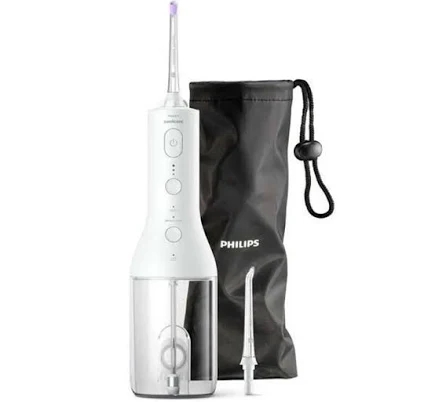
Philips Sonicare 3000 Cordless Power Flosser
No coating described, and no PFAS statement from the brand.
The product information we reviewed describes plastic handle, rubber tip, sealed internals, with no water-repellent coating named. Water resistance on products like this usually comes from the material and its seals rather than a surface treatment. The brand has published no PFAS statement for it.
The better-graded swap
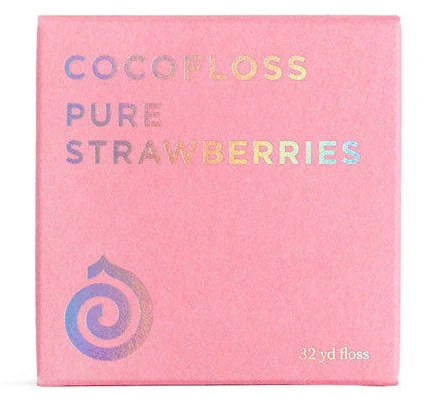
Cocofloss
Cocofloss Dental Floss
100/100 safety
Same rubric that flunked this product. The swap earned Excellent.
Still want this one anyway? Check the price on Amazon. We’d swap it.
Material
Plastic handle, rubber tip, sealed internals
Brand disclosure
Brand is silent on PFAS
Lab data
No public lab test
You may also be interested in
Top-graded picks in the categories readers replace first, every one scored on the same rubric.

- polypropylene filter housing, carbon/sediment cartridge
- We found no PFAS statement from the brand
- Bacterial growth in spent cartridges
3 hazards checked on this product, all on its full breakdown.

Aquasure
Premier Series 75 GPD Under Sink Reverse Osmosis Water Filtration System
- RO membrane, carbon filters, stainless steel housing
- We found no PFAS statement from the brand
- Bacterial and microbial growth in housing and filters
4 hazards checked on this product, all on its full breakdown.

Avocado
Vegan Mattress
- organic cotton, natural latex, coconut coir, recycled steel coils
- The brand calls it PFAS-free, which we have not verified
- Heavy metals
2 hazards checked on this product, all on its full breakdown.
What Philips Sonicare 3000 Power Flosser is made of, ingredients and materials
The Sonicare 3000 uses a plastic handle (likely ABS or similar rigid thermoplastic) and rubber tip typical of cordless oral care devices. The sealed internal battery and motor mean you do not contact electronic components or adhesives during normal use. The rubber tip material is not specified in available documentation, but modern cordless flosser tips are typically food-grade silicone or synthetic rubber without phthalates or BPA added, as they contact mouth tissue daily. No enamel, ceramic, or non-stick coating is present, eliminating the risk of coating breakdown or fume release associated with cookware.
What’s concerning
Category baseline
The starting point for this type of product, before anything specific to this product is counted.
No PFAS disclosure
No public statement from the brand about PFAS in this product.
Bacterial/mold growth in reservoir or internal cavity
Like all cordless water-based oral devices, the internal water pathway and tip housing can harbor biofilm if not rinsed and dried promptly after use. This is a hygiene issue rather than a chemical hazard, but relevant to proper use.
Microplastics
If the rubber tip cracks or degrades over time and is not replaced, small particles could theoretically be shed into the mouth. Replacement at first sign of wear mitigates this risk effectively.
Source, EPA ↗What’s reassuring
Base material not linked to PFAS
The main material recorded for this product is not one associated with PFAS.
BPA & bisphenols
The rubber tip material is not disclosed in available product documentation. No phthalates or BPA have been reported in Sonicare flosser tips, and modern rubber used in oral care typically avoids these; however, without explicit material certification, this remains unconfirmed.
Source, FDA ↗BPA & bisphenols
The handle does not contact heated beverages or food and is not subject to the chemical stress that triggers leaching in cookware or food storage. No leaching incidents have been documented for Sonicare handles. The risk is theoretical and low.
Source, FDA ↗Heavy metals
The sealed battery and motor are not accessible during normal use, so exposure to lead in solder or other heavy metals in circuit boards is not a consumer contact pathway. Philips meets RoHS standards in most markets, limiting lead and cadmium in electronics.
Source, FDA ↗How is this PFAS grade calculated?
The brand's record and disclosure
Philips has a published sustainability and chemical policy across its consumer electronics portfolio but does not issue product-specific material safety disclosures for dental devices in the public domain. No voluntary third-party certifications (such as Cradle to Cradle or similar) are known for this model. Philips has not faced public safety recalls or adverse findings tied to hazardous leachables from Sonicare flossers. The brand's PFAS stance is silent, meaning they have not publicly committed to eliminating PFAS "forever chemicals", though no PFAS-containing coating is described on this device.
How it compares in its category
Cordless power flossers are simpler devices than powered toothbrushes; they have fewer moving seals and no brush bristles that degrade and shed microplastics. This Sonicare model is mainstream and competitively designed; no safety advantage over other sealed cordless flossers is apparent, nor is any deficit known. The category itself poses minimal chemical hazard compared to cookware or textiles, since the device contacts mouth tissue briefly and does not involve heat, grinding, or abrasion of surfaces that could release particles.
If you buy it
Rinse the rubber tip under tap water after each use and allow it to air-dry to prevent bacterial biofilm accumulation in the reservoir. Do not submerge the entire handle or expose seals to prolonged standing water, as battery corrosion or internal mold growth can occur. Replace the tip according to manufacturer guidance (typically every 3-6 months) if discoloration, cracks, or reduced function appear. Store in a dry location away from direct heat; avoid leaving it in humid bathrooms for extended periods.
What is not known about PFAS in this product?
- Basis
- Model estimate, 55% confidence, not a lab result
- Lab test
- None on record for this exact product
- Brand statement
- Philips has made none
Formulations change between production runs, so check the current label. How we grade.
What are the PFAS-free alternatives to Philips Sonicare 3000 Cordless Power Flosser?
- Plant-based waxed fiber floss
- A third party reports verifying it as PFAS-free
- Fragrance allergens and sensitizers
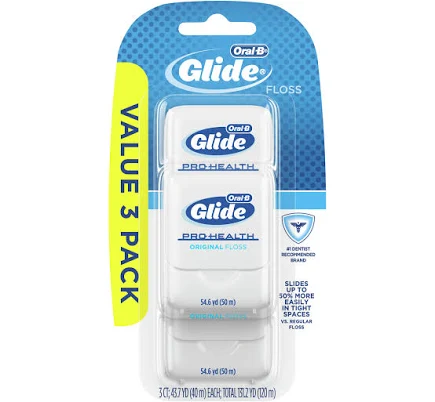
- nylon monofilament
- The brand calls it PFAS-free, which we have not verified
- Microplastics
2 hazards checked on this product, all on its full breakdown.
- Coconut fiber-based floss
- The brand calls it PFAS-free, which we have not verified
- Microbial growth in natural fiber storage
More dental floss grades
How we score, every product runs through the same public 0-100 rubric based on materials, coatings, brand disclosure, lab findings, and recalls. See the full methodology → Spotted a mistake? Report an error.