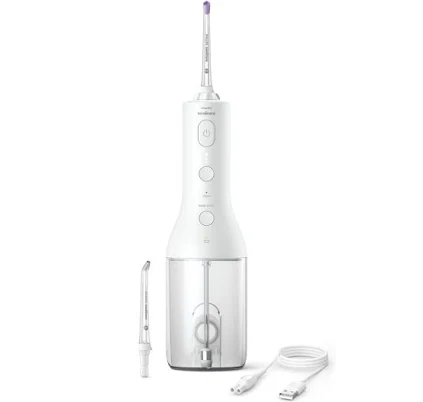
Philips Sonicare Cordless Power Flosser 3000
No coating described, and no PFAS statement from the brand.
The product information we reviewed describes plastic and silicone handle, sealed, with no water-repellent coating named. Water resistance on products like this usually comes from the material and its seals rather than a surface treatment. The brand has published no PFAS statement for it.
The better-graded swap
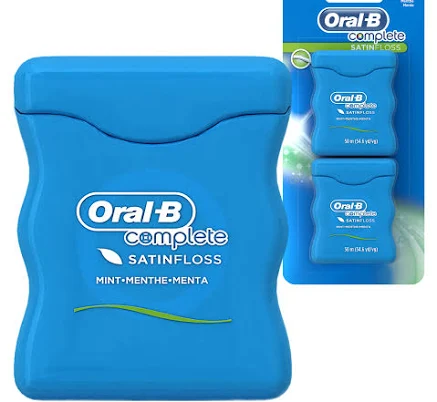
Oral-B
Oral B Satin Floss
100/100 safety
Same rubric that flunked this product. The swap earned Excellent.
Still want this one anyway? Check the price on Amazon. We’d swap it.
Material
Plastic and silicone handle, sealed
Brand disclosure
Brand is silent on PFAS
Lab data
No public lab test
You may also be interested in
Top-graded picks in the categories readers replace first, every one scored on the same rubric.

- polypropylene filter housing, carbon/sediment cartridge
- We found no PFAS statement from the brand
- Bacterial growth in spent cartridges
3 hazards checked on this product, all on its full breakdown.

Aquasure
Premier Series 75 GPD Under Sink Reverse Osmosis Water Filtration System
- RO membrane, carbon filters, stainless steel housing
- We found no PFAS statement from the brand
- Bacterial and microbial growth in housing and filters
4 hazards checked on this product, all on its full breakdown.

Avocado
Vegan Mattress
- organic cotton, natural latex, coconut coir, recycled steel coils
- The brand calls it PFAS-free, which we have not verified
- Heavy metals
2 hazards checked on this product, all on its full breakdown.
What Philips Sonicare Cordless Power Flosser is made of, ingredients and materials
The Sonicare 3000 uses injection-molded plastic and silicone for the handle and nozzle components, both common in oral care devices. Silicone is inert and non-leaching under normal use conditions; plastics in sealed, non-heating dental devices do not present microplastic or BPA/BPS leaching risks. The device is cordless with internal lithium battery and electronics, meaning no external coating systems (glazes, enamels, or resin finishes) that could degrade or release chemicals.
What’s concerning
Category baseline
The starting point for this type of product, before anything specific to this product is counted.
No PFAS disclosure
No public statement from the brand about PFAS in this product.
Bacterial/fungal growth in water reservoir
Cordless flossers with internal water tanks can harbor biofilm if left wet or cleaned infrequently. Philips does not disclose antimicrobial coatings on the reservoir, so routine drying and periodic deep cleaning (per manual) are user-dependent controls.
Battery acid or electrolyte leakage
The sealed lithium battery is isolated but corrosion or manufacturing defect could theoretically allow leakage into the motor cavity. Philips' quality control is generally stringent; no recalls for this model exist on public record, but user misuse (forced immersion, physical damage) raises risk.
What’s reassuring
Base material not linked to PFAS
The main material recorded for this product is not one associated with PFAS.
Silicone leaching or degradation
Medical-grade silicone in oral care products is stable and non-leaching under normal mouth temperature and saliva exposure. No reported issues with this product or category.
Plastic handle off-gassing (volatile organic compounds)
Injection-molded polyethylene or polypropylene handles do not off-gas volatile compounds at room temperature. No heating element is in contact with the grip material in this design.
Nozzle bristle shedding or microplastic ingestion
Replacement nozzles in power flossers are manufactured to tight tolerances and do not shed fibers under normal water-jet use. This is a lower-shedding design compared to traditional toothbrush bristles.
How is this PFAS grade calculated?
The brand's record and disclosure
Philips has published sustainability and chemical management policies but does not issue detailed material safety disclosures or third-party certifications (e.g., ISO 14001, Cradle to Cradle) specific to individual small appliances like this flosser. No recalls or safety advisories for this model are on record. The brand's PFAS stance remains unstated for this category, but the product architecture does not rely on water-repellent coatings that would require PFAS.
How it compares in its category
Power flossers are simpler than toothbrushes in material scope, this unit avoids the brush-bristle shedding concerns of electric toothbrushes and carries no abrasive ceramic components. Compared to traditional waxed floss (cellulose or nylon), cordless power flossers eliminate questions about floss material; the reusable plastic nozzles are routinely replaced. It is more durable and lower-waste than disposable string floss, though nozzle replacement adds minor plastic waste.
If you buy it
Rinse the water reservoir and dry it after each use to prevent bacterial biofilm buildup in the tank. Replace nozzle tips every 3-6 months or when bristles show wear, following the manufacturer's guidance. Store in a dry location away from prolonged heat (above 50C / 122F) to preserve seal integrity. Do not submerge the motor housing; the sealed design is rated for splash and moisture on the handle, not immersion.
What is not known about PFAS in this product?
- Basis
- Model estimate, 60% confidence, not a lab result
- Lab test
- None on record for this exact product
- Brand statement
- Philips has made none
Formulations change between production runs, so check the current label. How we grade.
What are the PFAS-free alternatives to Philips Sonicare Cordless Power Flosser 3000?
- Plant-based waxed fiber floss
- A third party reports verifying it as PFAS-free
- Fragrance allergens and sensitizers
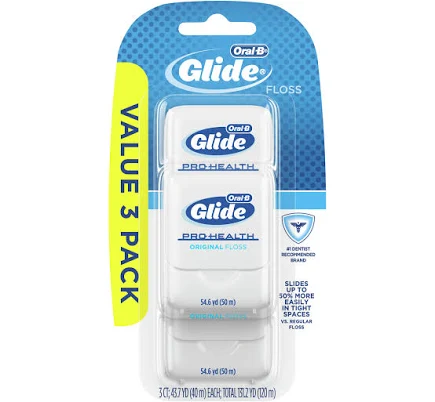
- nylon monofilament
- The brand calls it PFAS-free, which we have not verified
- Microplastics
2 hazards checked on this product, all on its full breakdown.
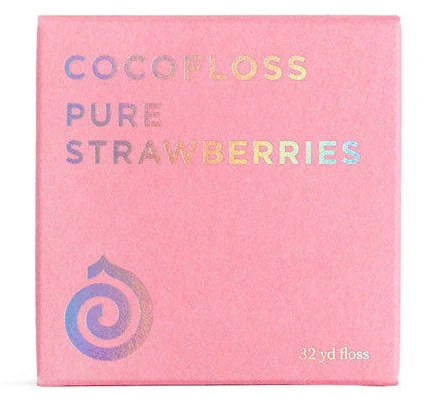
- Coconut fiber-based floss
- The brand calls it PFAS-free, which we have not verified
- Microbial growth in natural fiber storage
More dental floss grades
How we score, every product runs through the same public 0-100 rubric based on materials, coatings, brand disclosure, lab findings, and recalls. See the full methodology → Spotted a mistake? Report an error.