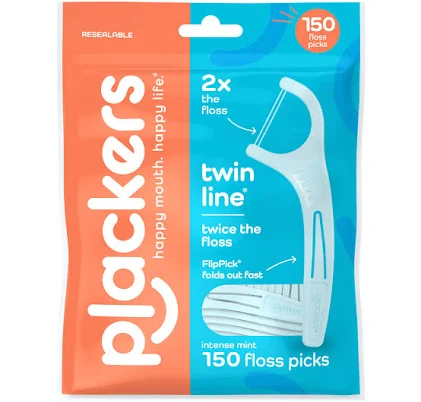
Plackers Twin-Line Dental Flossers
Minimal PFAS risk. Floss is nylon; handle unlikely source.
Plackers Twin-Line is nylon dental floss on a plastic handle. No known PFAS treatment needed for this product type, though brand provides no explicit disclosure.
We flunk more products than we pass. This one earned its grade. How we grade
Material
nylon dental floss, plastic handle
Lab data
No public lab test
What Plackers Twin-Line Dental Flossers is made of, ingredients and materials
Plackers Twin-Line uses nylon monofilament floss (the functional part) and a plastic handle, likely polypropylene or similar polyolefin. Nylon itself is a stable, non-reactive polymer with no known leaching of hazardous monomers under normal oral use conditions. The plastic handle does not come into prolonged contact with food, heat, or moisture in ways that would trigger leaching of BPA, phthalates, or other plasticizers typically of concern in food-contact plastics.
What’s concerning
Category baseline
The starting point for this type of product, before anything specific to this product is counted.
No PFAS disclosure
No public statement from the brand about PFAS in this product.
Microplastics
With prolonged use or storage in sunlight, the plastic handle may become brittle and shed small fragments. This is a mechanical wear issue rather than a chemical hazard, but repeated use of a cracking handle could introduce micro-fragments; discard when visible damage appears.
Source, EPA ↗What’s reassuring
Base material not linked to PFAS
The main material recorded for this product is not one associated with PFAS.
BPA & bisphenols
No evidence that Plackers Twin-Line polypropylene or polyolefin handle contains BPA or BPS. Dental flossers do not involve food contact or prolonged water immersion that would trigger leaching. If a plasticizer is present, it would not migrate into the oral cavity under normal use.
Source, FDA ↗Phthalates
Phthalates are sometimes added to soften PVC; Plackers handles are likely rigid polyolefin or polypropylene, which do not require phthalate plasticizers. No published data or complaints suggest phthalate leaching from this product.
Source, ATSDR ↗Nylon monomer or dye leaching
Nylon 6 and nylon 6/6 floss are established dental materials; residual monomers are negligible in commercial-grade filament. Any dye used in the nylon is not known to leach into the oral cavity during brief flossing contact.
Formaldehyde / VOCs
Dental floss products typically do not contain antimicrobial coatings or formaldehyde-release preservatives since the product is not cosmetic and does not require long-term preservation in moist conditions like creams or serums.
Source, ATSDR ↗The full breakdown
The brand's record and disclosure
Plackers (a Church & Dwight subsidiary) maintains no publicized stance on PFAS or chemical safety disclosures specific to dental floss products. No recalls, lawsuits, or safety alerts related to Plackers Twin-Line flossers have been established in public records. The product carries no third-party safety certification (e.g., EWG Verified, NSF) but this is typical for the dental floss category and does not indicate a safety deficiency.
How it compares in its category
Dental flossers occupy a lower-risk niche than cookware or cosmetics because contact time is brief, contact surface is minimal, and the product is not ingested. Nylon floss is chemically inert under oral conditions; this is a well-established material in dentistry. Compared to waxed floss (which may contain synthetic waxes or bleaching agents) or floss picks with silicone or rubber components, Twin-Line nylon is among the simpler formulations and poses fewer potential leaching pathways.
If you buy it
Store in a cool, dry place away from direct sunlight to prevent handle embrittlement over years of storage. Discard the flosser once the nylon shows visible fraying or the handle begins to crack, as degraded plastic edges may cause gum injury. There are no heat exposure limits or special maintenance requirements. Dispose of in household trash; the nylon and plastic components are not typically accepted in curbside recycling programs.
What we don’t know
- Basis
- Model estimate, 72% confidence, not a lab result
- Lab test
- None on record for this exact product
- Brand statement
- Plackers has made a specific claim
Formulations change between production runs, so check the current label. How we grade.
Better-graded alternatives in Dental Floss
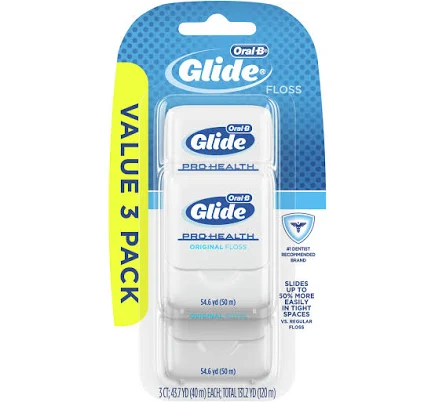
Oral-B
ORAL B Glide Pro-Health Floss
- nylon monofilament
- The brand calls it PFAS-free, which we have not verified
- Microplastics
2 hazards checked on this product. See all of them.
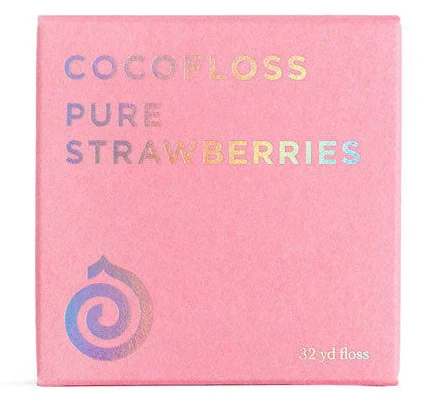
DentaFloss
Cocofloss Dental Floss
- Coconut fiber-based floss
- The brand calls it PFAS-free, which we have not verified
- Microbial growth in natural fiber storage
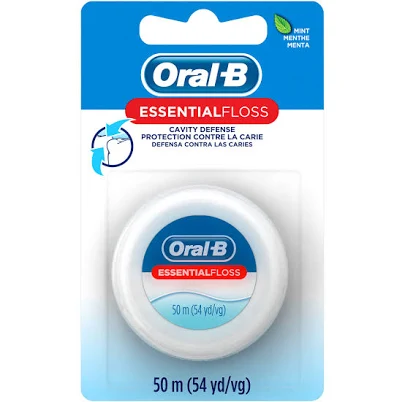
DentaFloss
Oral-B Essential Floss
- Nylon floss, waxed coating
- The brand calls it PFAS-free, which we have not verified
- Starting grade for this product type
More dental floss grades
How we score, every product runs through the same public 0-100 rubric based on materials, coatings, brand disclosure, lab findings, and recalls. See the full methodology → Spotted a mistake? Report an error.