Pottery Barn · Stain-Resistant Bed Sheets
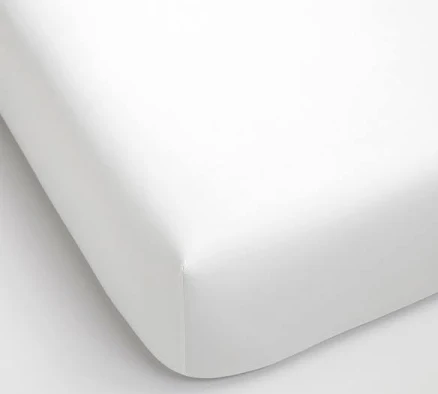
Pottery Barn Essential Sateen Fitted Sheet
Lower concern; plain cotton bedsheets lack the performance coatings that introduce PFAS.
Essential Sateen is 100% cotton without any water-repellent, stain-resistant, or nonstick layer mentioned. Cotton textiles need PFAS only if treated for durability or stains, which this product doesn't claim.
We flunk more products than we pass. This one earned its grade. How we grade
Material
100% cotton sateen weave
Lab data
No public lab test
You may also be interested in
Top-graded picks in the categories readers replace first, every one scored on the same rubric.

- polypropylene filter housing, carbon/sediment cartridge
- We found no PFAS statement from the brand
- Bacterial growth in spent cartridges
3 hazards checked on this product, all on its full breakdown.

Aquasure
Premier Series 75 GPD Under Sink Reverse Osmosis Water Filtration System
- RO membrane, carbon filters, stainless steel housing
- We found no PFAS statement from the brand
- Bacterial and microbial growth in housing and filters
4 hazards checked on this product, all on its full breakdown.

Avocado
Vegan Mattress
- organic cotton, natural latex, coconut coir, recycled steel coils
- The brand calls it PFAS-free, which we have not verified
- Heavy metals
2 hazards checked on this product, all on its full breakdown.
What Pottery Barn Essential Sateen Fitted Sheet is made of, ingredients and materials
This sheet is 100% cotton in a sateen weave, which means the fibers are twisted tightly to create a lustrous, smooth finish without any water-resistant or stain-resistant chemical coating. Because it is plain cotton with no functional finish, there is no Teflon-type coating (Teflon) fume risk, no fluorocarbon polymer coating to degrade, and no chemical durable press or wrinkle-resist resin applied. The sateen weave itself is purely mechanical and does not introduce additional hazardous chemistry.
What’s concerning
Category baseline
The starting point for this type of product, before anything specific to this product is counted.
No PFAS disclosure
No public statement from the brand about PFAS in this product.
Residual dyes and dyestuff reactions
100% cotton bedsheets are typically dyed with reactive or vat dyes; loose dye can leach in the first few washes, especially in warm or hot water. No azo dye ban or testing certification is published for this product line, so standard pre-wash is prudent.
Heavy metals
Cotton dyes can theoretically contain cadmium or lead as byproducts of certain colorant chemistries, but no recall or test evidence specific to Pottery Barn sheets exists. Risk is low but not zero without third-party dye certification.
Source, FDA ↗Allergens in fragrance or finishing softeners
If sheets arrive with a distinct chemical or fabric-softener odor, fragrance allergens (unlabeled in residual form) or synthetic softening agents may be present. This is primarily a skin-sensitivity concern, not a systemic hazard.
What’s reassuring
Base material not linked to PFAS
The main material recorded for this product is not one associated with PFAS.
Formaldehyde / VOCs
Sateen weave does not require wrinkle-resist or durable press resin finishes. Pottery Barn does not market this product with performance claims that would trigger such coatings; residual formaldehyde from manufacturing is standard across the industry but typically off-gasses within the first few washes.
Source, ATSDR ↗How is this PFAS grade calculated?
The brand's record and disclosure
Pottery Barn is owned by Williams-Sonoma Inc. and does not publicly disclose detailed chemical formulations or third-party certifications like OEKO-TEX or GOTS for most bedding. The brand has faced no major recalls or documented chemical safety controversies specific to Essential Sateen sheets. No evidence of formal commitment to banning harmful dyes, heavy metals, or formaldehyde resins in product labeling is publicly available.
How it compares in its category
Sateen cotton sheets occupy a middle ground in the market, more chemical-heavy than organic certified bedding (which typically undergo restricted dye and finish screening) but less risky than performance bedsheets marketed with stain-guard or moisture-wicking coatings. Standard Pottery Barn sheets have comparable transparency to mass-market cotton from competitors like Threshold (Target) or Brooklinen, though some premium brands publish more detailed supplier and chemical data. The absence of a stain-resistant finish claim is a positive differentiator.
If you buy it
Wash new sheets once before use to reduce loose dyes and residual finishes from manufacturing. Use warm water and standard detergent; sateen cotton tolerates normal laundry cycles without degradation. Do not use extremely hot water or bleach on colored sheets, as this can accelerate dye loss and weaken fibers. Replace when pilling becomes severe (typically 1-2 years with weekly washing) or if elastic loses grip; this signals fiber breakdown, not a chemical hazard, but comfort and durability decline.
What is not known about PFAS in this product?
- Basis
- Model estimate, 78% confidence, not a lab result
- Lab test
- None on record for this exact product
- Brand statement
- Pottery Barn has made a specific claim
Formulations change between production runs, so check the current label. How we grade.
More stain-resistant bed sheets grades
How we score, every product runs through the same public 0-100 rubric based on materials, coatings, brand disclosure, lab findings, and recalls. See the full methodology → Spotted a mistake? Report an error.