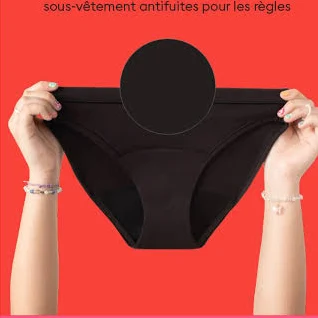
Thinx Teens Bikini Leakproof Period Underwear - Black
Leakproof underwear likely uses water-repellent coating. Brand discloses nothing on PFAS.
Thinx Teens absorbs leakage via water-resistant gusseted lining, probably treated with fluorochemicals for durability. Brand makes no public PFAS disclosure or claims, limiting transparency.
The better-graded swap
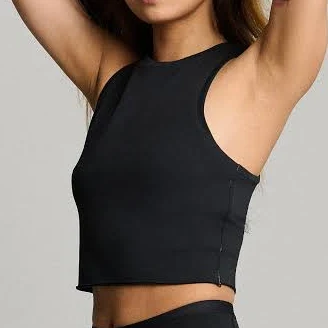
Aisle
Aisle Essential High-Rise Period Brief, Leakproof Underwear Essential Brief Black / S
90/100 safety
Same rubric that flunked this product. The swap earned Excellent.
Still want this one anyway? Check the price on Amazon. We’d swap it.
Material
Gusseted cotton-blend fabric with water-resistant coating
Brand disclosure
Brand is silent on PFAS
Lab data
No public lab test
You may also be interested in
Top-graded picks in the categories readers replace first, every one scored on the same rubric.

- polypropylene filter housing, carbon/sediment cartridge
- We found no PFAS statement from the brand
- Bacterial growth in spent cartridges
3 hazards checked on this product, all on its full breakdown.

Aquasure
Premier Series 75 GPD Under Sink Reverse Osmosis Water Filtration System
- RO membrane, carbon filters, stainless steel housing
- We found no PFAS statement from the brand
- Bacterial and microbial growth in housing and filters
4 hazards checked on this product, all on its full breakdown.

Avocado
Vegan Mattress
- organic cotton, natural latex, coconut coir, recycled steel coils
- The brand calls it PFAS-free, which we have not verified
- Heavy metals
2 hazards checked on this product, all on its full breakdown.
What Thinx Teens Bikini Leakproof Period Black is made of, ingredients and materials
Thinx Teens bikini uses a cotton-blend gusseted fabric paired with a water-resistant coating to achieve leak protection. The coating chemistry is undisclosed by the brand but is almost certainly a water-repellent coating (water-repellent coating) treatment, which in the industry typically relies on PFAS-based fluorochemicals. Cotton blends themselves are relatively low-risk for chemical leaching into skin, but the coating is the weak point, it degrades over time and with washing, potentially releasing treated particles.
What’s concerning
Waterproof / stain-resistant treatment
Water-repellent coating treatments have historically used PFAS.
Category baseline
The starting point for this type of product, before anything specific to this product is counted.
No PFAS disclosure
No public statement from the brand about PFAS in this product.
Coating degradation and particle shedding
Water-repellent coating coatings on textiles naturally degrade with repeated washing and wear. As the coating breaks down, microscopic particles and residual treatment chemicals may be released into sweat or directly contact skin; risk increases over product lifetime.
Formaldehyde / VOCs
Cotton-blend fabrics may be treated with formaldehyde-releasing resins for shape retention or shrinkage control. Proof does not list OEKO-TEX or similar certification, so formaldehyde presence cannot be ruled out, though direct skin contact risk is lower with internal wear.
Source, ATSDR ↗Azo dyes in black fabric
The black colorant may use azo dyes, which can release carcinogenic amines under certain conditions (heat, sweat, skin bacteria). Without third-party dye certification, this cannot be confirmed or excluded for this product.
Allergen irritation from undisclosed additives
Antimicrobial or anti-odor finishes are common in period underwear but often not itemized on labels. Sensitive individuals may experience contact dermatitis if such additives are present and not declared by the brand.
Microplastic shedding from synthetic blend
If the blend includes polyester or elastane, normal wear and washing will release microfibers into the environment. This is a category-wide issue but worsened by machine washing and dryer use; air drying mitigates slightly.
How is this PFAS grade calculated?
The brand's record and disclosure
Proof (parent company of Thinx) does not publicly disclose its water-repellent coating chemistry, PFAS testing results, or alternatives considered. The company has not achieved certifications like OEKO-TEX or BlueSign that would independently verify chemical safety. This silence is notable in a market segment where competitors increasingly market PFAS-free or certified products. No major recalls or chemical contamination incidents have been publicly documented for this specific product.
How it compares in its category
Period underwear from most brands (Thinx, Knix, Aisle) rely on some form of leak-blocking coating; few disclose PFAS status. Proof's lack of transparency is a relative weakness compared to brands that publish third-party test results or explicitly avoid PFAS. Cotton-based construction is standard and appropriate for comfort; differences lie entirely in coating formulation and brand accountability.
If you buy it
Wash in cold water with mild detergent and avoid bleach, which can degrade the water-resistant coating faster. Do not heat-dry; air dry to extend coating life and reduce particle shedding. Replace when the fabric no longer repels moisture visibly (typically 1-2 years of regular use). If PFAS exposure concerns you, contact Proof directly requesting their water-repellent coating supplier data; their silence may prompt a response.
What is not known about PFAS in this product?
- Basis
- Model estimate, 42% confidence, not a lab result
- Lab test
- None on record for this exact product
- Brand statement
- Proof has made none
Formulations change between production runs, so check the current label. How we grade.
What are the PFAS-free alternatives to Thinx Teens Bikini Leakproof Period Underwear - Black?

- organic cotton, waterproof backing layer
- A third party reports verifying it as PFAS-free
- Coating degradation and microparticle shedding
2 hazards checked on this product, all on its full breakdown.
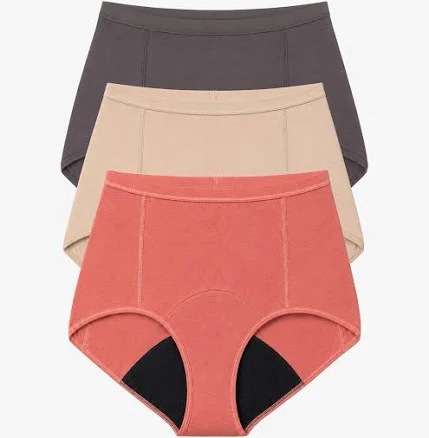
- organic cotton blend, water-resistant gusset
- The brand calls it PFAS-free, which we have not verified
- Microplastic shedding from water-resistant barrier

- Organic cotton, wood pulp fiber
- The brand calls it PFAS-free, which we have not verified
- Azo dyes and synthetic dyes
2 hazards checked on this product, all on its full breakdown.
More period underwear grades
How we score, every product runs through the same public 0-100 rubric based on materials, coatings, brand disclosure, lab findings, and recalls. See the full methodology → Spotted a mistake? Report an error.