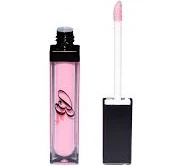
Prose
Lower PFAS concern; no known water-repellent coating/coating risks, but brand stays silent on chemical transparency.
Prose's liquid and powder formulations follow mainstream cosmetic standards with no confirmed PFAS-containing coatings, surfactants, or treatments. The brand doesn't disclose ingredient sourcing or PFAS avoidance.
We flunk more products than we pass. This one earned its grade. How we grade
Material
Cosmetic formulations (hair/skin care liquids and powders)
Brand disclosure
Brand is silent on PFAS
Lab data
No public lab test
You may also be interested in
Top-graded picks in the categories readers replace first, every one scored on the same rubric.

- polypropylene filter housing, carbon/sediment cartridge
- We found no PFAS statement from the brand
- Bacterial growth in spent cartridges
3 hazards checked on this product, all on its full breakdown.

Aquasure
Premier Series 75 GPD Under Sink Reverse Osmosis Water Filtration System
- RO membrane, carbon filters, stainless steel housing
- We found no PFAS statement from the brand
- Bacterial and microbial growth in housing and filters
4 hazards checked on this product, all on its full breakdown.

Avocado
Vegan Mattress
- organic cotton, natural latex, coconut coir, recycled steel coils
- The brand calls it PFAS-free, which we have not verified
- Heavy metals
2 hazards checked on this product, all on its full breakdown.
What Prose is made of, ingredients and materials
Prose shampoos are personalized liquid formulations combining surfactants, conditioning agents, and botanical or synthetic actives tailored to individual hair types. As water-based cosmetics, they rely on preservative systems to prevent microbial growth and emulsifiers to blend oil and water phases. The brand emphasizes clean labeling and has publicly moved away from sulfates and parabens in most formulations, reducing exposure to older-generation preservatives tied to endocrine concerns.
What’s concerning
Category baseline
The starting point for this type of product, before anything specific to this product is counted.
No PFAS disclosure
No public statement from the brand about PFAS in this product.
Fragrance allergens and undisclosed fragrance components
Prose allows fragrance customization but does not itemize fragrance constituents in marketing materials. Synthetic or essential oil fragrances can trigger contact dermatitis or respiratory sensitivity in susceptible users; the personalized formula approach does not reduce this baseline cosmetic risk.
Formaldehyde / VOCs
While Prose has moved away from parabens, many liquid shampoos still rely on preservatives like methylisothiazolinone or formaldehyde-releasing agents (e.g., imidazolidinyl urea) to prevent mold and bacterial growth. The brand's silence on preservative choice means users cannot pre-screen for known allergens.
Source, ATSDR ↗1,4-dioxane contamination in ethoxylated surfactants
Liquid shampoos often use ethoxylated surfactants (e.g., sodium lauryl ether sulfate alternatives) that can harbor 1,4-dioxane as a manufacturing byproduct. Prose does not publish testing data or specifications for 1,4-dioxane limits, leaving exposure uncertain.
Scalp irritation from high pH or over-active ingredients
Personalized formulations may include potent actives (e.g., salicylic acid, zinc pyrithione) at concentrations optimized for the user's stated hair concern. Miscalibration during customization or user skin sensitivity can cause temporary irritation; Prose provides patch-test guidance but does not guarantee all formulas are hypoallergenic.
What’s reassuring
Base material not linked to PFAS
The main material recorded for this product is not one associated with PFAS.
Heavy metals
No recalls or testing data on record for Prose shampoos involving lead, cadmium, or arsenic. Botanical ingredients can accumulate trace metals from soil, but established cosmetic regulation and supplier vetting typically keep levels below concern thresholds in reputable brands.
Source, FDA ↗How is this PFAS grade calculated?
The brand's record and disclosure
Prose publishes ingredient lists and allows customization input, suggesting ingredient transparency as a marketing stance. The brand does not hold third-party certifications (e.g., EWG Verified, Leaping Bunny) and maintains silence on PFAS testing or elimination commitments, which is common in the premium personalized cosmetics space. No recalls or substantiated safety controversies are on public record for Prose shampoos.
How it compares in its category
Prose positions itself as cleaner than mass-market drugstore shampoos, which often retain sulfates and synthetic fragrance blends with higher allergen loads. It sits mid-tier in transparency compared to certified natural brands (e.g., Acure, Burt's Bees) but ahead of conventional brands that withhold ingredient ratios. Personalization is a differentiator, not a safety advantage; formulation risk depends on the specific actives chosen.
If you buy it
Use as directed on the scalp; rinse thoroughly to avoid residue buildup. Prose formulations are not heat-sensitive in the way solid products are, so storage at room temperature away from direct sunlight is sufficient. If scalp irritation or allergic reaction develops after a few uses, discontinue and patch-test the formula on a small area first. Customized batches have typical shelf lives of 12-18 months; discard if separation, odor change, or visible growth occurs.
What is not known about PFAS in this product?
- Basis
- Model estimate, 72% confidence, not a lab result
- Lab test
- None on record for this exact product
- Brand statement
- Prose has made none
Formulations change between production runs, so check the current label. How we grade.
More shampoo grades
How we score, every product runs through the same public 0-100 rubric based on materials, coatings, brand disclosure, lab findings, and recalls. See the full methodology → Spotted a mistake? Report an error.