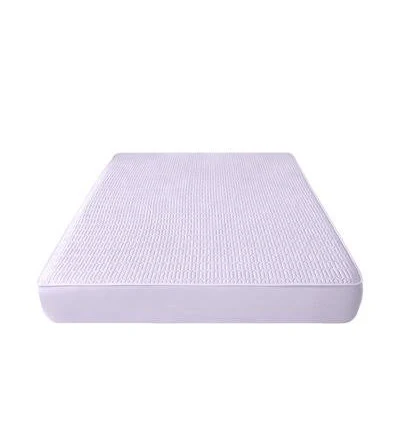
Waterproof Quilted Mattress Protector Breathable Bed Cover Fitted Sheet For Bedroom Furniture Protection Cooling Topper Purple, Is It Non-Toxic?
Avoid unless Purple discloses coating chemistry, since waterproof mattress protectors commonly use PFAS-based treatments.
Purple emphasizes waterproofing and stain resistance but leaves coating chemistry unspecified. Waterproof quilted textiles typically use durability treatments historically dominated by long-chain PFOA/PFOS or newer PFAS alternatives, creating elevated concern without disclosure or testing.
The better-graded swap
Avocado Green Mattress
Organic Cotton Mattress Cover and Pad Protector
85/100 safety
Same rubric that flunked this product. The swap earned Excellent.
Still want this one anyway? Check the price on Amazon. We’d swap it.
Material
Quilted polyester blend with waterproof/breathable coating (unspecified)
Brand disclosure
Brand is silent on PFAS
Lab data
No public lab test
You may also be interested in
Top-graded picks in the categories readers replace first, every one scored on the same rubric.

- polypropylene filter housing, carbon/sediment cartridge
- We found no PFAS statement from the brand
- Bacterial growth in spent cartridges
3 hazards checked on this product, all on its full breakdown.

Aquasure
Premier Series 75 GPD Under Sink Reverse Osmosis Water Filtration System
- RO membrane, carbon filters, stainless steel housing
- We found no PFAS statement from the brand
- Bacterial and microbial growth in housing and filters
4 hazards checked on this product, all on its full breakdown.

Avocado
Vegan Mattress
- organic cotton, natural latex, coconut coir, recycled steel coils
- The brand calls it PFAS-free, which we have not verified
- Heavy metals
2 hazards checked on this product, all on its full breakdown.
Is Waterproof Quilted Mattress Topper Purple non-toxic? What it is made of
This protector is a quilted polyester blend with an unspecified waterproof/breathable laminate or coating applied to the underside. Polyester itself is chemically stable, but the coating chemistry is the critical unknown, waterproof treatments on mattress protectors are commonly PFAS-based fluorochemicals, which repel water and oils but persist in the body and environment. Purple has not publicly disclosed whether this coating is PFAS-free, PFC-based, or silicone-based. The quilted structure may contain polyester fiberfill, which does not off-gas formaldehyde at typical indoor temperatures, but the coating and dyes warrant scrutiny.
What’s concerning
Category baseline
The starting point for this type of product, before anything specific to this product is counted.
Vague safety claims only
Uses vague language ("eco-friendly", "clean") without a specific PFAS statement.
Waterproof / stain-resistant treatment
Water-repellent coating treatments have historically used PFAS.
PFAS
Waterproof polyester mattress protectors most commonly use PFAS-based Teflon-family coating treatments for durability and water repellency. Purple's silence on coating chemistry and lack of PFAS-free certification strongly suggests PFAS presence. This is graded separately but is the primary safety driver for this product.
Source, ATSDR ↗Azo dyes in polyester fabric
The purple color is likely achieved with synthetic azo dyes, which are widely used in polyester textiles. Restricted azo dyes (those that cleave to carcinogenic amines) are banned in most regulated markets, but non-restricted azo dyes can cause allergic contact dermatitis in sensitive individuals. The product is not certified to Oeko-Tex Standard 100, which tests for azo dye limits.
Microplastics
Quilted polyester blends shed microfibers during repeated washing, especially at higher temperatures or with agitation. While not acutely hazardous in home laundry, cumulative shedding contributes to microplastic load in wastewater. Gentle washing in cool water minimizes this, but no design mitigations (e.g., tightly woven outer layer) are noted for this product.
Source, EPA ↗Coating degradation and leaching with age and heat
Waterproof coatings degrade over time under UV, heat, and humidity typical of bedroom use. As the coating breaks down, unspecified treatment chemicals may leach into contact with skin or washing water. This risk is higher with PFAS-based coatings, which are persistent. Purple provides no guidance on replacement intervals or end-of-life hazards.
What’s reassuring
Formaldehyde / VOCs
Polyester does not require formaldehyde-based finishing agents (unlike cotton), and no formaldehyde recalls or complaints are on record for Purple protectors. Low risk, but not ruled out without certification or testing.
Source, ATSDR ↗How is this PFAS grade calculated?
The brand's record and disclosure
Purple is known for transparency on mattress core materials (gel-infused polyurethane, open-cell structure) but has not published detailed chemical disclosures for textile accessories or coatings used in protectors. The company does not appear to hold third-party textile certifications like Oeko-Tex or Global Organic Textile Standard (GOTS) for this product line. No major recalls or chemical controversies are on record for Purple mattress protectors, but the lack of proactive coating chemistry communication is notable for a premium brand.
How it compares in its category
Waterproof mattress protectors fall into two camps, those using PFAS-based water-repellent coating (water-repellent coating) treatments, which are the industry standard for performance, and newer alternatives using silicone or wax-based coatings, which are less durable but present lower concern regarding PFAS. Purple's protector is not marketed as PFAS-free, placing it in the higher-risk category by omission. Competitors like Allerease and Protect-A-Bed offer similar polyester designs, while some niche brands (Avocado, Helix) explicitly avoid PFAS in textile coatings.
If you buy it
Wash only in cool water (under 60°C / 140°F) to avoid coating breakdown and potential leaching of treatment chemicals into wash water; tumble dry on low or line dry. Replace every 3-5 years or when waterproofing performance visibly degrades (water no longer beads on surface). Do not dry clean, as solvents may strip or alter the coating. If you are concerned about PFAS exposure, contact Purple directly requesting coating composition; if they cannot confirm PFAS-free status, consider a competitor with explicit PFAS-free labeling.
What is not known about PFAS in this product?
- Basis
- Model estimate, 35% confidence, not a lab result
- Lab test
- None on record for this exact product
- Brand statement
- Purple has made none
Formulations change between production runs, so check the current label. How we grade.
What are the PFAS-free alternatives to Waterproof Quilted Mattress Protector Breathable Bed Cover Fitted Sheet For Bedroom Furniture Protection Cooling Topper Purple?
- organic cotton
- We found no PFAS statement from the brand
- No PFAS statement found from the brand
- Organic cotton
- We found no PFAS statement from the brand
- Waterproofing chemical exposure
2 hazards checked on this product, all on its full breakdown.
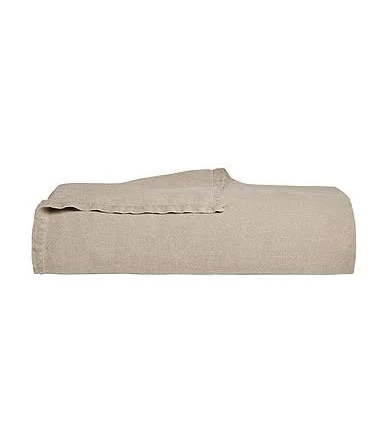
- 100% linen, no reported coating
- We found no PFAS statement from the brand
- Heavy metals
3 hazards checked on this product, all on its full breakdown.
More mattress protectors grades
How we score, every product runs through the same public 0-100 rubric based on materials, coatings, brand disclosure, lab findings, and recalls. See the full methodology → Spotted a mistake? Report an error.