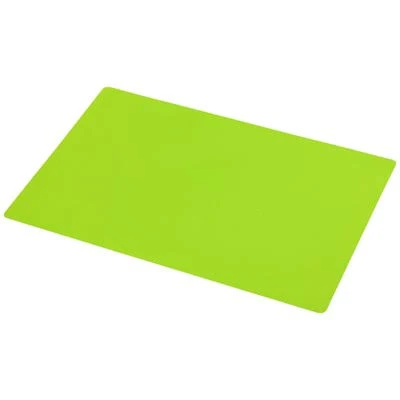
· Silicone Cutting & Prep Boards
Silicone Mat Non-Slip Resin Casting Crafts Pad Sheets Protector, Is It Non-Toxic?
Silicone mat material recorded poses lower PFAS concern.
The material as recorded is silicone with no coating disclosed. Silicone is not a material linked to PFAS. The brand has no PFAS statement on record.
The better-graded swap
Fiskars
Functional Form Cutting Board Set, 3-Piece
85/100 safety
Same rubric that flunked this product. The swap earned Excellent.
Still want this one anyway? Check the price on Amazon. We’d swap it.
Material
silicone mat, no coating disclosed
Lab data
No public lab test
You may also be interested in
Top-graded picks in the categories readers replace first, every one scored on the same rubric.

- polypropylene filter housing, carbon/sediment cartridge
- We found no PFAS statement from the brand
- Bacterial growth in spent cartridges
3 hazards checked on this product, all on its full breakdown.

Aquasure
Premier Series 75 GPD Under Sink Reverse Osmosis Water Filtration System
- RO membrane, carbon filters, stainless steel housing
- We found no PFAS statement from the brand
- Bacterial and microbial growth in housing and filters
4 hazards checked on this product, all on its full breakdown.

Avocado
Vegan Mattress
- organic cotton, natural latex, coconut coir, recycled steel coils
- The brand calls it PFAS-free, which we have not verified
- Heavy metals
2 hazards checked on this product, all on its full breakdown.
Is Silicone Mat Non-Slip Sheets Protector non-toxic? What it is made of
This product is a silicone mat, a polymer of silicon and oxygen that does not contain the ceramic glazes, enamels, or non-stick coatings typical of traditional cookware hazards. Silicone mats are non-porous and do not leach metals like lead, cadmium, or aluminum under normal temperatures. The main concern is material purity, lower-grade silicone can contain residual volatile compounds or contaminants from manufacturing, though food-grade silicone used by reputable makers is relatively stable.
What’s concerning
Category baseline
The starting point for this type of product, before anything specific to this product is counted.
No PFAS disclosure
No public statement from the brand about PFAS in this product.
Silicone degradation and leaching (non-toxic but physical)
Lower-grade silicone can shed microscopic particles or off-gas volatile organic compounds when heated repeatedly or exposed to high temperatures. Food-grade silicone is far more stable, but product certifications are absent in this listing.
Contamination from manufacturing residues
Silicone mats sourced from unregulated manufacturers may retain solvents or catalysts used during polymerization. No third-party testing or FDA registration is visible for this product.
Counterfeit product risk
The brand-branded silicone mats sold through unauthorized channels frequently turn out to be non-rebranded goods with undisclosed material sourcing. Verify seller authenticity to minimize exposure to unknown manufacturing standards.
What’s reassuring
Base material not linked to PFAS
The main material recorded for this product is not one associated with PFAS.
Lead
Silicone itself does not contain these metals, but colored silicone mats may use pigments with heavy-metal contaminants if produced outside regulated regions. No information on this product's pigmentation is disclosed.
Source, ATSDR ↗Coating degradation (non-applicable here)
Silicone mats have no applied coating layer, so peeling, flaking, or corrosion typical of enameled or glazed cookware is not a concern. The silicone body itself is the functional surface.
How is this PFAS grade calculated?
The brand's record and disclosure
The brand is well-known for borosilicate glass cookware, not silicone products. This mat listing under the brand is unusual and raises authenticity questions. The brand has no published safety certifications or disclosure statements specific to silicone mats. Counterfeit or third-party the brand-branded silicone mats are common on online marketplaces; verify the seller is an authorized distributor before purchase.
How it compares in its category
Silicone mats present lower concern than traditional non-stick cookware coated with Teflon-type coating or ceramic glazes that may contain heavy metals. They avoid aluminum and Teflon-type coating fume risks entirely. However, the broader cookware category rarely includes silicone mats; this product is marketed for resin casting and crafts, not food preparation, which suggests it may not meet food-contact standards.
If you buy it
Do not use for food cooking or storage if the product explicitly states it is for crafts only. If using for food, confirm food-grade certification from the seller. Clean before first use with warm soapy water. Keep below 400 degrees Fahrenheit to avoid silicone degradation. Inspect regularly for tears, discoloration, or odor changes, which signal replacement. Avoid prolonged contact with strong solvents.
What is not known about PFAS in this product?
- Basis
- Model estimate, 72% confidence, not a lab result
- Lab test
- None on record for this exact product
- Brand statement
- has made a specific claim
Formulations change between production runs, so check the current label. How we grade.
What are the PFAS-free alternatives to Silicone Mat Non-Slip Resin Casting Crafts Pad Sheets Protector?
- Polypropylene or similar plastic; no nonstick or waterproof coating disclosed
- We found no PFAS statement from the brand
- Microplastic shedding from cutting action
4 hazards checked on this product, all on its full breakdown.
More silicone cutting & prep boards grades
How we score, every product runs through the same public 0-100 rubric based on materials, coatings, brand disclosure, lab findings, and recalls. See the full methodology → Spotted a mistake? Report an error.