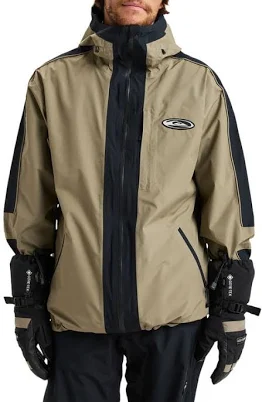
Quiksilver · Ski & Snowboard Jackets
Quiksilver Men's High Altitude Gore-Tex Waterproof Jacket
Use caution, Gore-Tex waterproofing has historically relied on PFOA and related PFAS compounds.
Gore-Tex membranes traditionally use Teflon-type coating and other Teflon-family coating tied to PFAS. Quiksilver offers no public statement on PFAS elimination in this jacket.
Still want this one anyway? Check the price on Amazon. We’d swap it.
Material
Gore-Tex membrane with polyester shell
Lab data
No public lab test
You may also be interested in
Top-graded picks in the categories readers replace first, every one scored on the same rubric.

- polypropylene filter housing, carbon/sediment cartridge
- We found no PFAS statement from the brand
- Bacterial growth in spent cartridges
3 hazards checked on this product, all on its full breakdown.

Aquasure
Premier Series 75 GPD Under Sink Reverse Osmosis Water Filtration System
- RO membrane, carbon filters, stainless steel housing
- We found no PFAS statement from the brand
- Bacterial and microbial growth in housing and filters
4 hazards checked on this product, all on its full breakdown.

Avocado
Vegan Mattress
- organic cotton, natural latex, coconut coir, recycled steel coils
- The brand calls it PFAS-free, which we have not verified
- Heavy metals
2 hazards checked on this product, all on its full breakdown.
What Quiksilver Men's High Altitude Jacket is made of, ingredients and materials
This jacket uses a Gore-Tex membrane laminated to a polyester shell. Gore-Tex's waterproofing historically relied on Teflon-type coating (polytetrafluoroethylene) and fluorinated compounds to create water-repellent micropores. The polyester shell is typically treated with a water-repellent coating (water-repellent coating) finish to enhance performance. Neither the Teflon-type coating membrane nor polyester shell itself presents acute toxicity risks during normal wear, but the chemical architecture and water-repellent coating treatment are the source of PFAS concerns flagged separately.
What’s concerning
Category baseline
The starting point for this type of product, before anything specific to this product is counted.
No PFAS disclosure
No public statement from the brand about PFAS in this product.
Waterproof / stain-resistant treatment
Water-repellent coating treatments have historically used PFAS.
Formaldehyde / VOCs
Polyester shells and seam tapes may contain formaldehyde-releasing resins used in wrinkle resistance or fabric stiffening. Concentration and off-gassing risk are typically low in finished outerwear, but new jackets may emit low levels on first wash; airing before extended skin contact reduces exposure.
Source, ATSDR ↗Azo dyes and synthetic colorants
Polyester fabrics are commonly dyed with azo dyes, some of which can break down into aromatic amines under UV exposure or sweat. Quiksilver does not disclose dye chemistry; darker colors carry marginally higher potential risk. Washing new jackets before first use reduces loose dye migration.
water-repellent coating degradation and microfiber shedding
Repeated washing causes water-repellent coating coatings to degrade and shed as microfibers into wastewater. This is a known environmental issue across waterproof apparel but poses no direct toxicity to the wearer. Limiting wash frequency and using water-efficient methods reduces shedding.
Laminate delamination and adhesive leachates
Gore-Tex laminates use polyurethane or other adhesives to bond the membrane to the shell. Over time or with improper care (high heat, aggressive solvents), adhesives can degrade and potentially migrate into sweat or moisture. Risk is low with proper maintenance but increases as jacket ages or sustains damage.
What’s reassuring
Teflon-type coating fume inhalation risk from membrane
Gore-Tex Teflon-type coating does not off-gas under normal wear or low-temperature washing. Risk would only arise if jacket were exposed to temperatures exceeding 500°F, which does not occur in typical use, storage, or home care. No recalls or adverse reports linked to Teflon-type coating fume emissions from this product exist.
How is this PFAS grade calculated?
The brand's record and disclosure
Quiksilver has not published detailed chemical disclosures, sustainability certifications (such as Bluesign or GOTS), or explicit PFAS phase-out commitments specific to this product line as of public record. The brand does not appear to have faced major safety recalls tied to this jacket model. Quiksilver's parent company Boardriders Inc. maintains minimal transparency on fluorochemical use in technical apparel, which is typical across action sports brands but leaves end-users without clear alternatives.
How it compares in its category
Most ski and snowboard jackets at this price point and performance tier rely on Gore-Tex or equivalent Teflon-type coating-based membranes. Some competitors (e.g., Patagonia, Arc'teryx) have published commitments to PFAS reduction or PFC-free alternatives, though full elimination remains rare in high-performance waterproof outerwear. This Quiksilver jacket is functionally typical for the segment but offers no distinctive environmental or safety advantage. Budget and entry-level brands often use non-Gore-Tex membranes (polyurethane, ePTFE) which may carry different chemical tradeoffs.
If you buy it
Wash in cool water with gentle detergent and avoid high heat (which can degrade the membrane and release volatile compounds). Do not dry-clean. Reapply water-repellent coating treatment every 2-3 seasons according to manufacturer instructions, as the water-repellent finish degrades with use and weathering. Store in a breathable garment bag away from direct sunlight to slow polymer aging. Inspect seams and membrane for damage; small tears should be patched promptly to prevent membrane separation and leaching of adhesive or laminate compounds.
What is not known about PFAS in this product?
- Basis
- Model estimate, 45% confidence, not a lab result
- Lab test
- None on record for this exact product
- Brand statement
- Quiksilver has made a specific claim
Formulations change between production runs, so check the current label. How we grade.
What are the PFAS-free alternatives to Quiksilver Men's High Altitude Gore-Tex Waterproof Jacket?
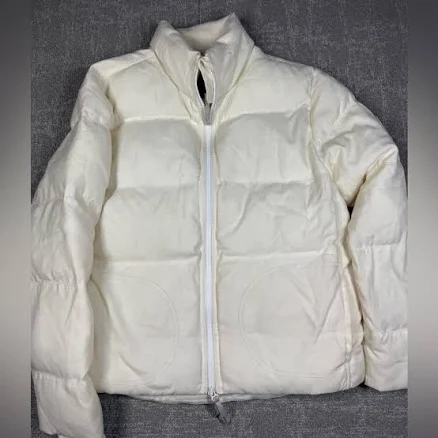
- Wool blend with synthetic fill (likely polyester)
- We found no PFAS statement from the brand
- water-repellent coating (water-repellent coating) coating composition
3 hazards checked on this product, all on its full breakdown.
Find an alternative on Amazon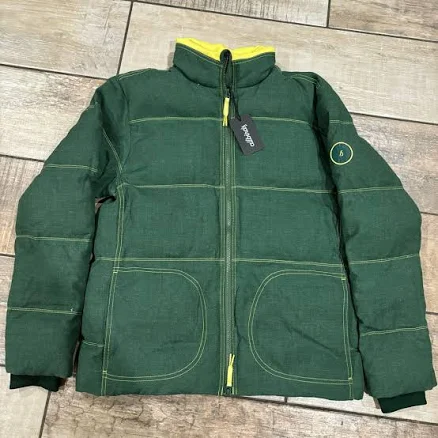
Allbirds
Jackets & Coats Allbirds Men's Trino Puffer Jacket Full Zip Wool Blend Forest Green Coat Size Sm
- wool blend (natural fiber dominant)
- We found no PFAS statement from the brand
- water-repellent coating (water-repellent coating) treatment - undisclosed chemistry
2 hazards checked on this product, all on its full breakdown.
Find an alternative on Amazon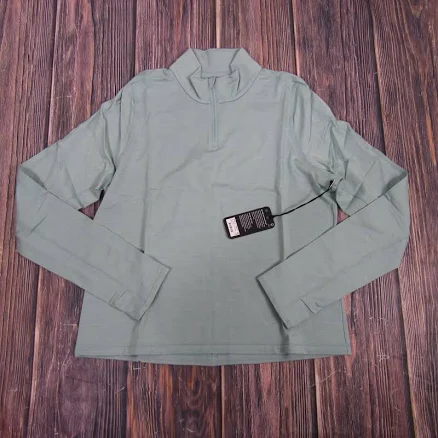
- Merino wool blend (natural fiber)
- We found no PFAS statement from the brand
- Azo dyes and synthetic dye residue
3 hazards checked on this product, all on its full breakdown.
Find an alternative on AmazonMore ski & snowboard jackets grades
How we score, every product runs through the same public 0-100 rubric based on materials, coatings, brand disclosure, lab findings, and recalls. See the full methodology → Spotted a mistake? Report an error.