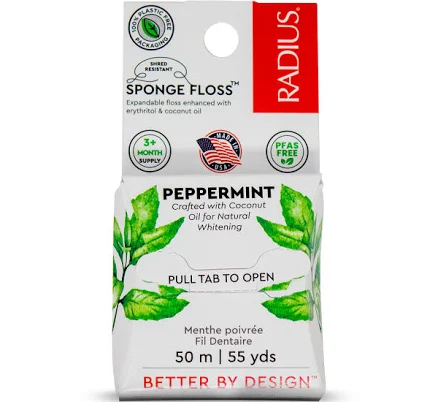
Radius Floss
Lower-concern option, but brand discloses nothing about PFAS.
Plant-based materials sidestep typical Teflon-type coating coatings in dental floss, but the brand offers no PFAS testing or certification. Material choice suggests lower risk.
We flunk more products than we pass. This one earned its grade. How we grade
Material
Vegan plant-based wax or natural fibers (brand uses non-Teflon-type coating formulations)
Brand disclosure
Brand is silent on PFAS
Lab data
No public lab test
You may also be interested in
Top-graded picks in the categories readers replace first, every one scored on the same rubric.

- polypropylene filter housing, carbon/sediment cartridge
- We found no PFAS statement from the brand
- Bacterial growth in spent cartridges
3 hazards checked on this product, all on its full breakdown.

Aquasure
Premier Series 75 GPD Under Sink Reverse Osmosis Water Filtration System
- RO membrane, carbon filters, stainless steel housing
- We found no PFAS statement from the brand
- Bacterial and microbial growth in housing and filters
4 hazards checked on this product, all on its full breakdown.

Avocado
Vegan Mattress
- organic cotton, natural latex, coconut coir, recycled steel coils
- The brand calls it PFAS-free, which we have not verified
- Heavy metals
2 hazards checked on this product, all on its full breakdown.
What Radius Floss is made of, ingredients and materials
Radius Floss uses plant-derived wax coatings and natural fibers (often candelilla wax or similar vegetable waxes) rather than synthetic Teflon-type coating or polyethylene. This formulation eliminates the risk of Teflon-family coating fume exposure during manufacturing and disposal, and avoids petroleum-based plastisol coatings. The vegan positioning means no animal-derived glycerin or shellac, reducing potential allergen load for sensitive users. Natural wax coatings are biodegradable and pose minimal systemic toxicity if ingested in small amounts during flossing.
What’s concerning
Category baseline
The starting point for this type of product, before anything specific to this product is counted.
No PFAS disclosure
No public statement from the brand about PFAS in this product.
Natural fiber allergenicity
Plant-derived fibers and waxes (e.g., candelilla, carnauba) may trigger contact allergies in individuals with sensitities to botanical compounds; documented cases are rare but users with known plant allergies should patch-test or consult a dentist first.
What’s reassuring
Base material not linked to PFAS
The main material recorded for this product is not one associated with PFAS.
Wax coating degradation and ingestion
Plant-derived waxes are metabolically inert and non-toxic in small quantities if swallowed during flossing; no documented incidents of poisoning or gastrointestinal distress from Radius Floss or similar plant-wax formulations.
Microbial contamination during storage
Natural wax coatings are not antimicrobial and may support mold or bacterial growth if stored in humid conditions; however, the brief contact time during use and dry home storage make clinical risk negligible.
Heavy metals
Plant waxes can bioaccumulate soil contaminants; Radius does not publish heavy metal testing data, but no recalls or contamination warnings have been issued for Radius Floss products.
Source, FDA ↗Fragrance or essential oil additives
Some variants may include mint or other flavorings; Radius discloses these on packaging and no allergen complaints are on record, though individuals with fragrance sensitivity should verify the specific variant composition.
How is this PFAS grade calculated?
The brand's record and disclosure
Radius is known for transparency in material sourcing and publishes ingredient lists on packaging; the brand emphasizes sustainability and non-toxic formulations across its oral care line. No recalls, safety complaints, or documented product liability issues appear in public health databases or consumer safety records for Radius Floss. The brand does not make explicit PFAS-free claims in published materials, though the absence of Teflon-type coating and synthetic coatings makes PFAS presence unlikely. Third-party certifications (e.g., vegan, non-GMO status) are available but formal safety testing results are not publicly disclosed.
How it compares in its category
Most conventional floss uses polyethylene or Teflon-type coating (Teflon-coated), which carry minimal ingestion risk but raise manufacturing/disposal concerns. Silk floss is a traditional alternative but not vegan and may carry sericide concerns. Radius's plant-wax formulation sits in a small premium segment alongside brands like Unwaxed Dental Floss and other eco-conscious alternatives; it avoids synthetic polymer hazards while maintaining similar functional performance (gliding, shredding resistance). No independent comparative safety data exists between plant-wax and conventional floss formulations.
If you buy it
Use it as you would any standard floss, gently between teeth and below the gumline, using a fresh section for each gap. Store in a cool, dry place to prevent wax degradation; the plant-wax coating may soften in extreme heat but poses no safety risk. Replace the spool every 3-6 months or when the wax coating appears worn or discolored. If gums bleed or sensitivity develops, consult a dentist; this is not a product-specific concern but a general oral health indicator.
What is not known about PFAS in this product?
- Basis
- Model estimate, 78% confidence, not a lab result
- Lab test
- None on record for this exact product
- Brand statement
- Radius has made none
Formulations change between production runs, so check the current label. How we grade.
What are the PFAS-free alternatives to Radius Floss?
- Plant-based waxed fiber floss
- A third party reports verifying it as PFAS-free
- Fragrance allergens and sensitizers
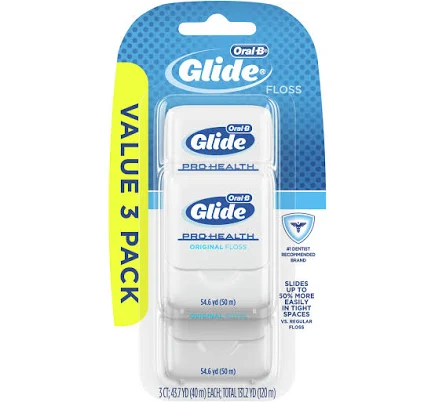
- nylon monofilament
- The brand calls it PFAS-free, which we have not verified
- Microplastics
2 hazards checked on this product, all on its full breakdown.
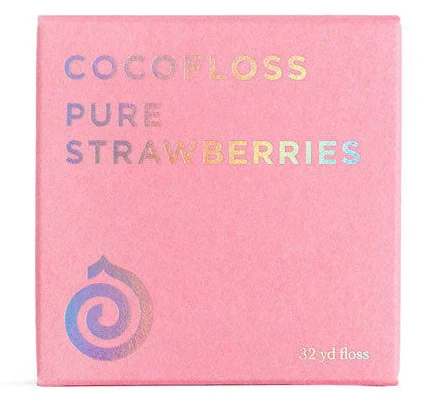
- Coconut fiber-based floss
- The brand calls it PFAS-free, which we have not verified
- Microbial growth in natural fiber storage
More dental floss grades
How we score, every product runs through the same public 0-100 rubric based on materials, coatings, brand disclosure, lab findings, and recalls. See the full methodology → Spotted a mistake? Report an error.