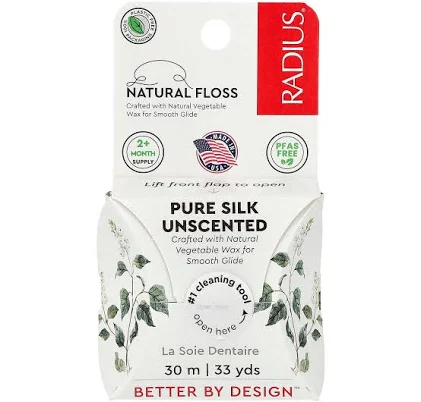
Radius Natural Biodegradable Silk Floss
Lower-concern choice; natural silk has no inherent PFAS trigger.
Radius markets this floss as biodegradable silk with plant-based wax, neither requiring PFAS for function. Brand makes no PFAS claims or provides third-party testing.
We flunk more products than we pass. This one earned its grade. How we grade
Material
Silk fiber, plant-based wax coating
Brand disclosure
Brand is silent on PFAS
Lab data
No public lab test
You may also be interested in
Top-graded picks in the categories readers replace first, every one scored on the same rubric.

- polypropylene filter housing, carbon/sediment cartridge
- We found no PFAS statement from the brand
- Bacterial growth in spent cartridges
3 hazards checked on this product, all on its full breakdown.

Aquasure
Premier Series 75 GPD Under Sink Reverse Osmosis Water Filtration System
- RO membrane, carbon filters, stainless steel housing
- We found no PFAS statement from the brand
- Bacterial and microbial growth in housing and filters
4 hazards checked on this product, all on its full breakdown.

Avocado
Vegan Mattress
- organic cotton, natural latex, coconut coir, recycled steel coils
- The brand calls it PFAS-free, which we have not verified
- Heavy metals
2 hazards checked on this product, all on its full breakdown.
What Radius Natural Biodegradable Silk Floss is made of, ingredients and materials
Radius Natural Biodegradable Silk Floss is composed of mulberry silk fiber wound with a plant-based wax coating (typically candelilla or similar vegetable wax). Silk is a protein fiber with no inherent toxicology concerns in oral use, and plant waxes avoid synthetic polymer coatings that sometimes harbor PFAS or release microplastics. The biodegradable claim is material-credible, both silk and plant waxes break down in standard composting within months, unlike nylon or teflon-coated alternatives.
What’s concerning
Category baseline
The starting point for this type of product, before anything specific to this product is counted.
No PFAS disclosure
No public statement from the brand about PFAS in this product.
Microbial growth on natural fiber storage
Silk and plant waxes can theoretically support mold or bacterial growth if stored in high humidity for extended periods; however, the small volume and rapid consumption of floss makes this a low practical risk. Standard dry storage mitigates this fully.
What’s reassuring
Base material not linked to PFAS
The main material recorded for this product is not one associated with PFAS.
Plant wax coating degradation or allergen content
Plant-based waxes (candelilla, carnauba, etc.) are well-tolerated and used in food products; no allergen or toxicological concerns documented for this product or material class. Oral contact is brief and minimal ingestion occurs.
Silk protein allergens or irritation
Silk fiber poses no known oral toxicity. Rare individuals with severe silk allergy might experience contact sensitivity, but this is not documented as a category-level concern for dental floss products.
Heavy metals
No third-party testing or recalls indicate heavy metal contamination (lead, cadmium, arsenic) in silk floss products. Mulberry silk production does not inherently expose fibers to metallurgic hazards, and plant waxes do not concentrate metals. No data contradicts safety in this product specifically.
Source, FDA ↗Formaldehyde / VOCs
Natural silk floss with plant-wax coating avoids the synthetic polymer finishing agents and formaldehyde-releasing resins found in conventional nylon flosses. No evidence of formaldehyde-based processing in this product line.
Source, ATSDR ↗How is this PFAS grade calculated?
The brand's record and disclosure
Radius is a smaller oral-care brand focused on natural and sustainable products, with established presence in health-conscious retail channels. The brand does not provide explicit third-party testing results or PFAS certifications on this product, and marketing materials lack detailed ingredient sourcing or chemical safety statements. No recalls, adverse event reports, or regulatory actions are on record for this floss. The lack of transparency is notable but not unusual for the dental-floss category, where ingredient disclosure is rarely comprehensive.
How it compares in its category
Most conventional flosses (nylon-based, especially with Teflon-type coating) carry higher PFAS risk and persist in the environment for decades. Silk-based flosses are a minority choice but rank among the lowest-chemical alternatives. Compared to other natural options (unwaxed silk, vegan plant-fiber blends), Radius includes wax for glide, which is a practical trade-off; the plant-wax choice avoids synthetic coatings found in mainstream brands. Price is typically 2-3x higher than standard nylon floss, reflecting material sourcing and smaller production volume.
If you buy it
Floss is a low-dose, short-contact-time product (seconds per day in the mouth), so chemical migration risk is minimal even if coatings were problematic. Use as directed; silk is durable and will not shed microfibers under normal interdental friction. Store in a dry place to prevent mold growth on the natural fibers, though floss spent quickly makes this unlikely. If the wax coating feels sticky or rancid after long storage, discard and replace; plant waxes can degrade over time in humid conditions.
What is not known about PFAS in this product?
- Basis
- Model estimate, 78% confidence, not a lab result
- Lab test
- None on record for this exact product
- Brand statement
- Radius has made none
Formulations change between production runs, so check the current label. How we grade.
What are the PFAS-free alternatives to Radius Natural Biodegradable Silk Floss?
- Plant-based waxed fiber floss
- A third party reports verifying it as PFAS-free
- Fragrance allergens and sensitizers
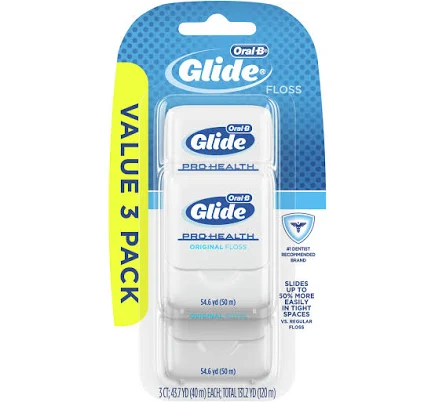
- nylon monofilament
- The brand calls it PFAS-free, which we have not verified
- Microplastics
2 hazards checked on this product, all on its full breakdown.
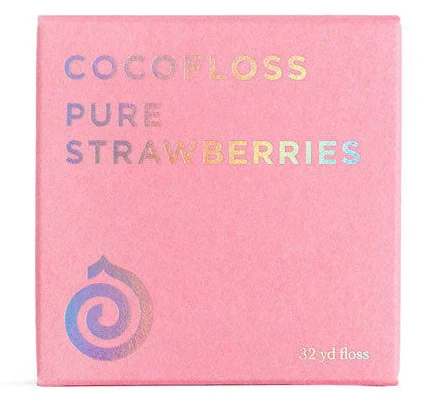
- Coconut fiber-based floss
- The brand calls it PFAS-free, which we have not verified
- Microbial growth in natural fiber storage
More dental floss grades
How we score, every product runs through the same public 0-100 rubric based on materials, coatings, brand disclosure, lab findings, and recalls. See the full methodology → Spotted a mistake? Report an error.