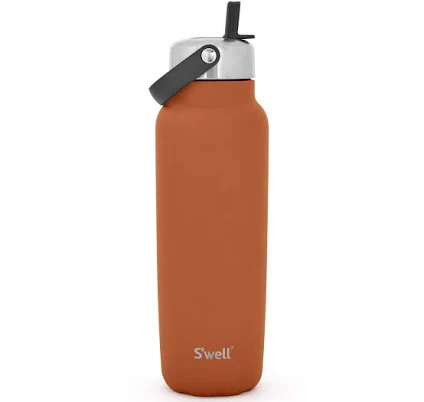
S'well Explorer with Flip Straw Lid
Lower concern water bottle; stainless steel core presents minimal PFAS risk, though lid materials remain undisclosed.
Stainless steel is inherently lower-concern for PFAS. Polypropylene flip-straw lid and seals aren't explicitly disclosed for PFAS-free status.
We flunk more products than we pass. This one earned its grade. How we grade
Material
Stainless steel bottle with polypropylene lid and flip straw
Lab data
No public lab test
You may also be interested in
Top-graded picks in the categories readers replace first, every one scored on the same rubric.

- polypropylene filter housing, carbon/sediment cartridge
- We found no PFAS statement from the brand
- Bacterial growth in spent cartridges
3 hazards checked on this product, all on its full breakdown.

Aquasure
Premier Series 75 GPD Under Sink Reverse Osmosis Water Filtration System
- RO membrane, carbon filters, stainless steel housing
- We found no PFAS statement from the brand
- Bacterial and microbial growth in housing and filters
4 hazards checked on this product, all on its full breakdown.

Avocado
Vegan Mattress
- organic cotton, natural latex, coconut coir, recycled steel coils
- The brand calls it PFAS-free, which we have not verified
- Heavy metals
2 hazards checked on this product, all on its full breakdown.
What S'well Explorer with Flip Straw Lid is made of, ingredients and materials
The S'well Explorer bottle core is 18/8 stainless steel, a chemically inert material that does not leach metals or compounds into water under normal use. The lid and flip straw are polypropylene (PP), a plastic chosen for water bottles because it has a higher melting point than many alternatives and is considered low-risk for leaching BPA or phthalates. Stainless steel is essentially non-porous, so it avoids the bacterial colonization risks that plague some filtered bottle housings if maintenance lapses.
What’s concerning
No PFAS disclosure
No public statement from the brand about PFAS in this product.
Polypropylene lid degradation
Prolonged exposure to hot beverages or UV light can cause PP to soften, discolor, or leach small amounts of oligomers. This is a general PP concern, not specific to S'well's formulation, but the flip straw hinge and gasket areas are stress points.
Bacterial growth in lid mechanism
The flip straw hinge and gasket crevices can trap water and organic matter if not thoroughly dried or cleaned regularly. Stainless steel bodies are not at risk, but the polypropylene lid assembly requires diligent maintenance.
What’s reassuring
Bare uncoated material
Recorded as a bare, uncoated material with no surface coating or treatment.
Gasket material composition
S'well does not disclose the elastomer type or grade used in lid gaskets. Typical options (silicone, TPE) are considered low-hazard, but no independent testing of this product's gaskets is on record.
Microplastic shedding
Polypropylene lids can theoretically shed microplastics under mechanical stress (flexing, freezing, or high-temperature swings). No reported incidents with S'well Explorer lids, and stainless steel bodies do not contribute microplastics.
Metal coating or interior enamel defects
S'well bottles do not use interior coatings; the stainless steel is solid throughout. This eliminates ceramic, enamel, or Teflon-type coating hazards entirely.
How is this PFAS grade calculated?
The brand's record and disclosure
S'well has not published detailed material safety or PFAS disclosure statements for this product line, which is typical for consumer bottle brands but limits transparency. The company has no major product recalls on record related to this model. S'well does not advertise third-party certifications (NSF, FDA material compliance) for the Explorer line, though stainless steel bottles are generally low-risk by default.
How it compares in its category
Stainless steel water bottles have lower concern in the filtered water bottle category compared to plastic housings or metal-coated interiors, which can present leaching hazards. The polypropylene lid places it in the mainstream of entry-level reusable bottles; competitors like Hydro Flask and Klean Kanteen use similar lid materials. S'well's price point and design focus is on aesthetics and insulation rather than active filtration, so hazard exposure from cartridge degradation or trapped bacterial growth is absent here.
If you buy it
Hand-wash the flip straw and lid assembly weekly to prevent bacterial film buildup in crevices; dishwasher use is acceptable for the stainless steel body but may degrade the rubber gaskets faster. Do not expose the polypropylene lid to boiling water or leave it in direct sunlight for extended periods, as PP softens above 100°C. Replace the lid gasket or entire lid assembly if cracks, discoloration, or persistent odors develop. The stainless steel body itself is durable for years if not dented.
What is not known about PFAS in this product?
- Basis
- Model estimate, 72% confidence, not a lab result
- Lab test
- None on record for this exact product
- Brand statement
- S'well has made a specific claim
Formulations change between production runs, so check the current label. How we grade.
More water filters grades
How we score, every product runs through the same public 0-100 rubric based on materials, coatings, brand disclosure, lab findings, and recalls. See the full methodology → Spotted a mistake? Report an error.