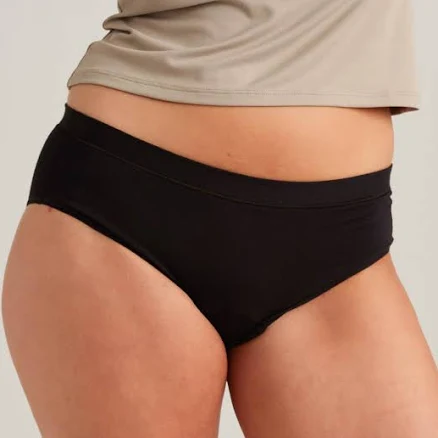
Saalt Leakproof Comfort Brief
Skip until Saalt discloses waterproof coating or independent tests confirm PFAS-free.
Polyurethane or similar waterproof layers may contain PFAS, but Saalt doesn't disclose treatment specifics. Third-party verification is absent.
The better-graded swap

Ruby Love
Rubylove First Period Kit +teen Period Underwear
100/100 safety
Same rubric that flunked this product. The swap earned Excellent.
Still want this one anyway? Check the price on Amazon. We’d swap it.
Material
Organic cotton + polyurethane waterproof layer
Brand disclosure
Brand is silent on PFAS
Lab data
No public lab test
You may also be interested in
Top-graded picks in the categories readers replace first, every one scored on the same rubric.

- polypropylene filter housing, carbon/sediment cartridge
- We found no PFAS statement from the brand
- Bacterial growth in spent cartridges
3 hazards checked on this product, all on its full breakdown.

Aquasure
Premier Series 75 GPD Under Sink Reverse Osmosis Water Filtration System
- RO membrane, carbon filters, stainless steel housing
- We found no PFAS statement from the brand
- Bacterial and microbial growth in housing and filters
4 hazards checked on this product, all on its full breakdown.

Avocado
Vegan Mattress
- organic cotton, natural latex, coconut coir, recycled steel coils
- The brand calls it PFAS-free, which we have not verified
- Heavy metals
2 hazards checked on this product, all on its full breakdown.
What Saalt Leakproof Comfort Brief is made of, ingredients and materials
Saalt's brief combines organic cotton (skin-facing layer) with a polyurethane waterproof barrier. Organic cotton eliminates pesticide residues and synthetic dye concerns common in conventional cotton period wear. The critical unknown is the polyurethane coating chemistry, modern polyurethane may not be a material linked to PFAS, but waterproof textiles historically rely on fluorinated compounds (PFAS) for durability. Without Saalt's published specification of their coating supplier or third-party test results, the waterproof layer's safety profile remains opaque.
What’s concerning
Category baseline
The starting point for this type of product, before anything specific to this product is counted.
No PFAS disclosure
No public statement from the brand about PFAS in this product.
Waterproof / stain-resistant treatment
Water-repellent coating treatments have historically used PFAS.
Polyurethane coating degradation and leaching
Polyurethane waterproof layers degrade over repeated washing and heat exposure. If the coating is not fully crosslinked or contains uncrosslinked oligomers, washing (especially warm/hot) may leach these fragments into sweat or menstrual fluid. Risk increases with coating age and washing frequency.
Microplastic shedding from degraded coating
As polyurethane coating degrades over time and washing cycles, microscopic flakes may shed into wash water or contact skin. This is not unique to Saalt but inherent to all polyurethane-coated textiles; replacement timing (every 1-2 years) mitigates exposure.
What’s reassuring
Azo dyes or synthetic dyes in non-organic cotton layers
Saalt specifies organic cotton, which typically excludes synthetic azo dyes and heavy-metal mordants used in conventional dyeing. No adverse dye-related reports are on record for this product; organic certification standards restrict problematic dyes.
Formaldehyde / VOCs
Organic cotton textiles may use formaldehyde-containing resins for shape retention or water-resistance finishing. Saalt does not advertise formaldehyde-free finishing, but organic cotton certification typically excludes high-formaldehyde processes. No documented complaints on record.
Source, ATSDR ↗Heavy metals
Antimony is used as a catalyst in polyester and polyurethane synthesis but is typically not released from finished products under normal wear. No safety alerts for Saalt products on this hazard.
Source, FDA ↗How is this PFAS grade calculated?
The brand's record and disclosure
Saalt markets sustainability and body safety but has not publicly disclosed coating chemistry, supplier certifications (e.g., OEKO-TEX), or independent PFAS testing as of available records. The brand does not appear on major chemical transparency registries (Cradle to Cradle, BlueSign, GOTS extended certification). This silence on waterproof layer composition is the primary concern; absence of disclosure is not confirmation of PFAS use, but it blocks informed assessment.
How it compares in its category
Period underwear market includes competitors (Thinx, Knix, Aisle) with varying transparency; some have undergone independent PFAS testing or commit to PFAS-free formulations. Saalt's organic cotton base is a strength, but the lack of waterproof-layer transparency puts it behind brands that publicly test or certify coatings. Category-wide, period underwear is lower-risk than nonstick cookware or some textile coatings, but the hidden variable here is material.
If you buy it
Wash in cool water (warm water can degrade polyurethane coatings and potentially mobilize uncrosslinked polymers). Air-dry; avoid high heat and tumble drying, which accelerates coating breakdown and possible leaching. Replace every 1-2 years if worn daily; degraded coatings increase microleaching risk. Before purchase, contact Saalt directly requesting PFAS status and coating supplier name; their response will clarify risk level.
What is not known about PFAS in this product?
- Basis
- Model estimate, 45% confidence, not a lab result
- Lab test
- None on record for this exact product
- Brand statement
- Saalt has made none
Formulations change between production runs, so check the current label. How we grade.
What are the PFAS-free alternatives to Saalt Leakproof Comfort Brief?
- organic cotton, waterproof backing layer
- A third party reports verifying it as PFAS-free
- Coating degradation and microparticle shedding
2 hazards checked on this product, all on its full breakdown.
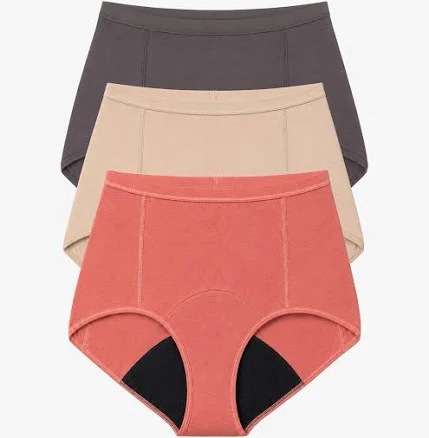
- organic cotton blend, water-resistant gusset
- The brand calls it PFAS-free, which we have not verified
- Microplastic shedding from water-resistant barrier

- Organic cotton, wood pulp fiber
- The brand calls it PFAS-free, which we have not verified
- Azo dyes and synthetic dyes
2 hazards checked on this product, all on its full breakdown.
More period underwear grades
How we score, every product runs through the same public 0-100 rubric based on materials, coatings, brand disclosure, lab findings, and recalls. See the full methodology → Spotted a mistake? Report an error.