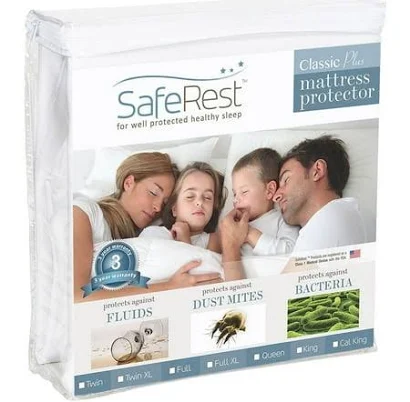
SafeRest · Mattress Protectors
Saferest Classic Plus Hypoallergenic 100% Waterproof Mattress Protector, Is It Non-Toxic?
Avoid or verify coating composition; waterproof protectors often use PFAS-based treatments.
SafeRest's Classic Plus claims hypoallergenic and waterproof protection but discloses nothing about its waterproofing barrier chemistry. Waterproof mattress protectors historically use fluorinated PFAS-based coatings to achieve liquid repellency.
The better-graded swap
Avocado Green Mattress
Organic Cotton Mattress Cover and Pad Protector
85/100 safety
Same rubric that flunked this product. The swap earned Excellent.
Still want this one anyway? Check the price on Amazon. We’d swap it.
Material
Polyurethane or polyester with waterproof barrier coating (unspecified)
Brand disclosure
Brand is silent on PFAS
Lab data
No public lab test
You may also be interested in
Top-graded picks in the categories readers replace first, every one scored on the same rubric.

- polypropylene filter housing, carbon/sediment cartridge
- We found no PFAS statement from the brand
- Bacterial growth in spent cartridges
3 hazards checked on this product, all on its full breakdown.

Aquasure
Premier Series 75 GPD Under Sink Reverse Osmosis Water Filtration System
- RO membrane, carbon filters, stainless steel housing
- We found no PFAS statement from the brand
- Bacterial and microbial growth in housing and filters
4 hazards checked on this product, all on its full breakdown.

Avocado
Vegan Mattress
- organic cotton, natural latex, coconut coir, recycled steel coils
- The brand calls it PFAS-free, which we have not verified
- Heavy metals
2 hazards checked on this product, all on its full breakdown.
Is Saferest Classic Protector non-toxic? What it is made of
SafeRest Classic Plus uses a polyurethane or polyester base fabric with an unspecified waterproof barrier coating, likely applied to the bottom or both sides. The coating is the critical unknown, waterproof mattress protectors commonly use PFAS-based chemical treatments (such as Teflon-family coating) to achieve water resistance without adding bulk. Without SafeRest's explicit disclosure of coating chemistry, you cannot verify whether PFAS-free alternatives like wax or silicone coatings were used instead. This coating is your skin's primary contact point, making composition transparency essential.
What’s concerning
Category baseline
The starting point for this type of product, before anything specific to this product is counted.
Vague safety claims only
Uses vague language ("eco-friendly", "clean") without a specific PFAS statement.
Waterproof / stain-resistant treatment
Water-repellent coating treatments have historically used PFAS.
PFAS
Waterproof mattress protectors are a known application for PFAS-based Teflon-family coating due to water-repellent durability. SafeRest's silent stance and lack of published coating composition strongly suggest PFAS use, though not proven without lab analysis. This is your primary concern with this product.
Source, ATSDR ↗Polyurethane off-gassing (VOCs)
If the base layer is polyurethane foam or polyurethane film, off-gassing of volatile organic compounds (VOCs) including isocyanates can occur in the first weeks after manufacture. Airing and washing before use significantly reduces this exposure. Polyester film with polyurethane coating carries lower VOC risk than pure polyurethane.
Microplastic shedding from coating degradation
After 2-5 years of use, waterproof coatings can crack, peel, or degrade, shedding microplastic particles into direct contact with skin and bedding. This risk increases with heat exposure (high-temperature washing, heating pads) and mechanical stress (tossing, sharp objects). SafeRest does not publish coating durability or temperature limits.
Bacterial growth under occlusive barrier
The waterproof barrier, while protecting the mattress, creates a non-breathable microenvironment that can trap moisture and encourage dust mite colonization if the protector is not regularly washed. This is a product-design trade-off, not a chemical hazard, but relevant to hypoallergenic claims.
Allergic contact dermatitis from coating or residues
Some users report skin irritation from unspecified waterproof coatings, potentially due to residual manufacturing chemicals, uncrosslinked polymers, or mold growth under damp conditions. Risk is lower for coatings fully cured and washed before use, but SafeRest provides no curing or washing guidance.
How is this PFAS grade calculated?
The brand's record and disclosure
SafeRest markets the product as hypoallergenic and waterproof but provides no published specification sheet or materials breakdown on their website or product labeling regarding the waterproof coating composition. The brand has not issued public statements on PFAS avoidance, sourcing practices, or third-party certifications (such as OEKO-TEX, Global Organic Textile Standard, or similar). This silence on a known hazard class for their core product category represents a gap in consumer transparency, not necessarily a confirmation of PFAS use.
How it compares in its category
Most budget waterproof mattress protectors (under $100) do not disclose coating chemistry, making SafeRest typical in this regard. Premium alternatives (such as Helix or Avocado-affiliated protectors) increasingly publish PFAS-free claims and materials sourcing. Laboratory-tested protectors without detected PFAS typically cost 20-40% more. SafeRest Classic Plus is competitively priced, which correlates with lower transparency but not automatic hazard; cost alone does not confirm PFAS presence.
If you buy it
Before purchase, contact SafeRest customer service directly and request a written confirmation of waterproof coating type (ask specifically about PFAS, Teflon-family coating, or fluorine content). If buying despite lack of clarity, air out the protector for 24-48 hours after unboxing to off-gas any volatile residues from manufacturing. Wash in cool water on gentle cycle before first use to reduce surface contaminants. Replace the protector every 3-5 years or if the waterproof barrier begins to peel, crack, or delaminate, as degrading coatings may shed particles.
What is not known about PFAS in this product?
- Basis
- Model estimate, 45% confidence, not a lab result
- Lab test
- None on record for this exact product
- Brand statement
- SafeRest has made none
Formulations change between production runs, so check the current label. How we grade.
What are the PFAS-free alternatives to Saferest Classic Plus Hypoallergenic 100% Waterproof Mattress Protector?
- organic cotton
- We found no PFAS statement from the brand
- No PFAS statement found from the brand
- Organic cotton
- We found no PFAS statement from the brand
- Waterproofing chemical exposure
2 hazards checked on this product, all on its full breakdown.
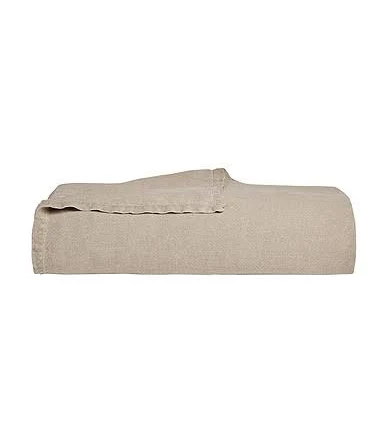
- 100% linen, no reported coating
- We found no PFAS statement from the brand
- Heavy metals
3 hazards checked on this product, all on its full breakdown.
More mattress protectors grades
How we score, every product runs through the same public 0-100 rubric based on materials, coatings, brand disclosure, lab findings, and recalls. See the full methodology → Spotted a mistake? Report an error.