Samsung · Waterproof Smartphone Cases
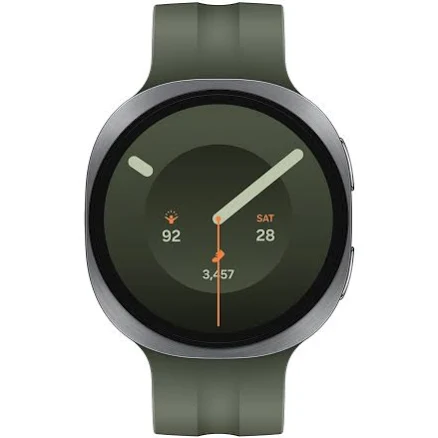
Samsung Galaxy Watch9
Insufficient PFAS data; typical smartwatch design suggests lower risk.
Galaxy Watch9 has stainless steel and waterproof sealing compounds, yet Samsung doesn't reveal PFAS testing or content. Smartwatches typically use water-resistant treatments that may contain PFAS.
The better-graded swap
TomTom
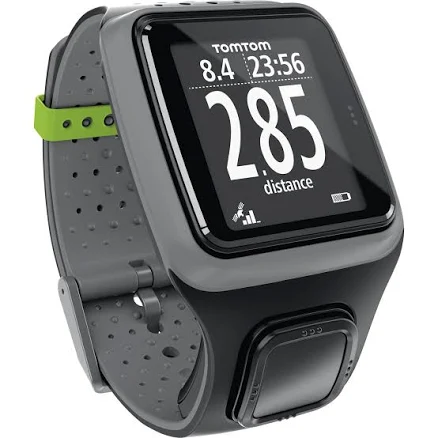
TomTom Runner GPS Watch
85/100 safety
Same rubric that flunked this product. The swap earned Excellent.
Still want this one anyway? Check the price on Amazon. We’d swap it.
Material
Stainless steel case, glass display, polymer straps, waterproof sealing compounds
Lab data
No public lab test
You may also be interested in
Top-graded picks in the categories readers replace first, every one scored on the same rubric.

- polypropylene filter housing, carbon/sediment cartridge
- We found no PFAS statement from the brand
- Bacterial growth in spent cartridges
3 hazards checked on this product, all on its full breakdown.

Aquasure
Premier Series 75 GPD Under Sink Reverse Osmosis Water Filtration System
- RO membrane, carbon filters, stainless steel housing
- We found no PFAS statement from the brand
- Bacterial and microbial growth in housing and filters
4 hazards checked on this product, all on its full breakdown.

Avocado
Vegan Mattress
- organic cotton, natural latex, coconut coir, recycled steel coils
- The brand calls it PFAS-free, which we have not verified
- Heavy metals
2 hazards checked on this product, all on its full breakdown.
What Samsung Galaxy Watch9 is made of, ingredients and materials
The Galaxy Watch9 uses 316L stainless steel for the case, which is highly corrosion-resistant and does not leach heavy metals under normal skin contact. The display is hardened glass (likely Gorilla Glass), chemically inert and non-leaching. The polymer straps (rubber or fluoroelastomer) and waterproof gasket compounds are the primary chemical exposure points; these are typically silicone-based or similar polymers chosen for dermal safety in wearables. No lead, cadmium, or ceramic glazes are present in the construction.
What’s concerning
Category baseline
The starting point for this type of product, before anything specific to this product is counted.
No PFAS disclosure
No public statement from the brand about PFAS in this product.
Polymer strap degradation and allergen release
Silicone or rubber straps can degrade from UV, sweat, or ozone exposure over 2-3 years, potentially releasing oligomers or uncrosslinked polymers. While acute toxicity is low, individuals with sensitive skin or rubber allergies may experience contact dermatitis; replacement straps are readily available.
Nickel or metal ion release from stainless steel
316L stainless steel contains chromium and nickel; individuals with nickel sensitivity may experience localized contact dermatitis from prolonged skin contact, particularly if the case is scratched or pitted. This risk is well-known and manageable by wearing a protective sleeve or ensuring regular cleaning.
Glass display edge trauma and coating degradation
Gorilla Glass or similar hardened glass can develop micro-cracks or delamination from impact; no major toxicity risk, but exposed edges or internal coatings (typically oleophobic polymers) are not designed for ingestion and should be avoided if glass breaks.
Bacterial growth in strap crevices and seals
Wearables are known to harbor bacteria and fungi in tight strap interfaces if not cleaned regularly; this is a hygiene rather than chemical hazard but can worsen for users with open wounds or compromised skin barriers. Weekly cleaning with soap and water mitigates this risk.
What’s reassuring
Base material not linked to PFAS
The main material recorded for this product is not one associated with PFAS.
Waterproof sealing compound leachates
Gaskets and O-rings in the Galaxy Watch9 are proprietary; Samsung does not disclose whether they contain Teflon-type coating, silicone, or other polymers. No documented leaching events or skin reactions are on record for this model, and typical wearable gaskets are designed for low migration under normal perspiration.
How is this PFAS grade calculated?
The brand's record and disclosure
Samsung has not published detailed chemical composition or PFAS sourcing statements specific to smartwatch components, which is consistent with industry silence on wearables. The company holds various environmental certifications (ISO 14001) and publishes sustainability reports, but these rarely address microchemical hazards in wearable materials. No major recalls or dermal reactions have been documented for Galaxy Watch models due to case or strap composition. Samsung's general stance on hazardous substances is compliance-focused rather than transparency-focused.
How it compares in its category
Smartwatches as a category involve minimal food contact and no cooking, which eliminates many hazards common to cookware or food storage products. The Galaxy Watch9 is comparable to Apple Watch and Garmin wearables in using inert metals and silicone-based polymers; none of these brands disclose PFAS levels in straps or seals. Stainless steel cases show lower concern than aluminum or plastic-only designs, which can leach under heat or sweat. Wearables are lower-risk than textiles that absorb sweat and require flame retardants.
If you buy it
Clean the strap and case weekly with mild soap and water to prevent bacterial or mold growth under the band, especially in warm climates or after exercise. Avoid prolonged immersion in chlorine pools or saltwater beyond the IP68 rating; replace straps if they show cracking, discoloration, or odor. The waterproof sealing compounds degrade slowly over years of wear; if water enters the case after 3-5 years, replacement presents lower concern than repair. Store in a cool, dry place when not in use to extend polymer lifespan.
What is not known about PFAS in this product?
- Basis
- Model estimate, 45% confidence, not a lab result
- Lab test
- None on record for this exact product
- Brand statement
- Samsung has made a specific claim
Formulations change between production runs, so check the current label. How we grade.
More waterproof smartphone cases grades
How we score, every product runs through the same public 0-100 rubric based on materials, coatings, brand disclosure, lab findings, and recalls. See the full methodology → Spotted a mistake? Report an error.