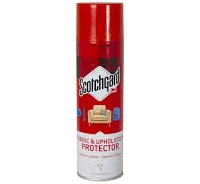
Scotchgard · Fabric Stain Guard Sprays
Scotchgard Fabric and Upholstery Protector
Skip without PFAS disclosure from 3M.
Scotchgard treats fabrics for stain and water resistance, a standard PFAS use. 3M provides no public PFAS composition details.
Still want this one anyway? Check the price on Amazon. We’d swap it.
Material
Proprietary fabric/upholstery treatment coating
Lab data
No public lab test
You may also be interested in
Top-graded picks in the categories readers replace first, every one scored on the same rubric.

- polypropylene filter housing, carbon/sediment cartridge
- We found no PFAS statement from the brand
- Bacterial growth in spent cartridges
3 hazards checked on this product, all on its full breakdown.

Aquasure
Premier Series 75 GPD Under Sink Reverse Osmosis Water Filtration System
- RO membrane, carbon filters, stainless steel housing
- We found no PFAS statement from the brand
- Bacterial and microbial growth in housing and filters
4 hazards checked on this product, all on its full breakdown.

Avocado
Vegan Mattress
- organic cotton, natural latex, coconut coir, recycled steel coils
- The brand calls it PFAS-free, which we have not verified
- Heavy metals
2 hazards checked on this product, all on its full breakdown.
What Scotchgard Fabric and Upholstery Protector is made of, ingredients and materials
Scotchgard Fabric and Upholstery Protector is a proprietary liquid treatment applied to textiles to repel water and stains. The exact chemical formulation is not disclosed by 3M, but historically Scotchgard products have relied on fluorochemical compounds to achieve their water and oil repellency. These fluorochemicals are structurally similar to PFAS (PFAS "forever chemicals"), which are persistent, bioaccumulative, and linked to health concerns in independent research.
What’s concerning
Category baseline
The starting point for this type of product, before anything specific to this product is counted.
No PFAS disclosure
No public statement from the brand about PFAS in this product.
Waterproof / stain-resistant treatment
Water-repellent coating treatments have historically used PFAS.
PFAS
Scotchgard's proprietary formula and 3M's historical use of PFAS in water/stain repellents strongly suggest fluorochemicals are present, yet 3M refuses public disclosure. This opacity itself is a red flag.
Source, ATSDR ↗Inhalation exposure during application
Spray application or direct liquid contact creates aerosol or vapor inhalation risk. Without ingredient disclosure, respiratory safety cannot be independently assessed. Lung irritation or systemic toxicity from unknown fluorochemicals is a legitimate concern.
Skin sensitization or irritation
Direct contact with untreated liquid may cause irritation. Proprietary surfactants and fluorochemicals in the formulation are not publicly identified, so allergenic or irritant risk cannot be evaluated against known allergens.
Environmental persistence and bioaccumulation
If the product contains PFAS, treated textiles shed these compounds during washing and wear. PFAS are well-documented to accumulate in aquatic ecosystems and bioaccumulate in human blood. 3M's silence prevents assessment of this environmental impact for this specific product.
Off-gassing or leaching into living space
Treated upholstery may off-gas volatile components over weeks or months. The presence of unknown fluorochemicals or other volatile ingredients means VOC exposure cannot be ruled out or quantified.
How is this PFAS grade calculated?
The brand's record and disclosure
3M has faced significant legal and regulatory scrutiny over PFAS contamination in water supplies and consumer products. Despite this, Scotchgard has not publicly disclosed whether its current formulation contains PFAS or PFAS alternatives. The brand has not pursued third-party certification (such as Bluesign or GOTS) that would independently verify chemical safety. 3M's silence on composition, combined with the product class's historical reliance on fluorochemicals, raises unresolved safety questions.
How it compares in its category
Most fabric treatments in this category rely on either fluorochemical coatings (like traditional Scotchgard) or newer, less-documented non-fluorinated alternatives. Some alternatives market themselves as PFAS-free, though independent verification is rare. Untreated fabric represents a lower concern baseline, though it sacrifices stain resistance. Scotchgard remains the market-leading brand but has lost credibility among consumers and regulators concerned about PFAS.
If you buy it
Do not rely on the label for chemical safety assurance. If you proceed despite PFAS uncertainty, apply the product only in well-ventilated spaces and allow treated items to dry fully before contact with skin. Avoid repeated applications. Test on a hidden area first. Do not use on children's items or items that will contact the face or hands frequently. Consider whether the stain protection benefit justifies the unquantified chemical exposure risk.
What is not known about PFAS in this product?
- Basis
- Model estimate, 35% confidence, not a lab result
- Lab test
- None on record for this exact product
- Brand statement
- Scotchgard has made a specific claim
Formulations change between production runs, so check the current label. How we grade.
What are the PFAS-free alternatives to Scotchgard Fabric and Upholstery Protector?
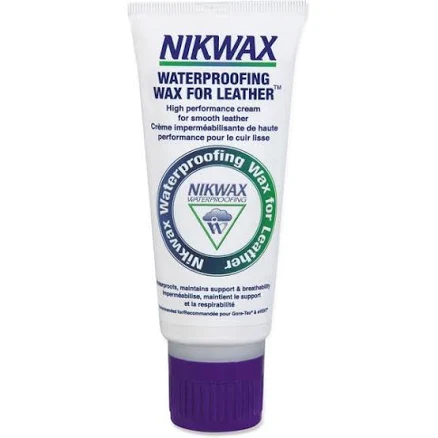
- wax-based waterproofing
- The brand calls it PFAS-free, which we have not verified
- Respiratory irritation or fume inhalation during application
2 hazards checked on this product, all on its full breakdown.
Find an alternative on Amazon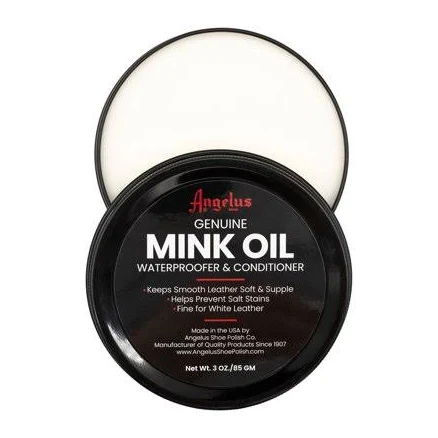
- mink oil paste, natural oil-based conditioner
- We found no PFAS statement from the brand
- Microbial growth (natural oil rancidity)
2 hazards checked on this product, all on its full breakdown.
Find an alternative on Amazon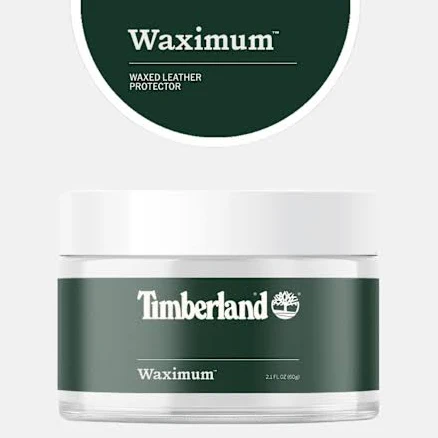
- Wax-based leather protector
- We found no PFAS statement from the brand
- Volatile organic compounds (VOCs) from solvents
3 hazards checked on this product, all on its full breakdown.
Find an alternative on AmazonMore fabric stain guard sprays grades
How we score, every product runs through the same public 0-100 rubric based on materials, coatings, brand disclosure, lab findings, and recalls. See the full methodology → Spotted a mistake? Report an error.