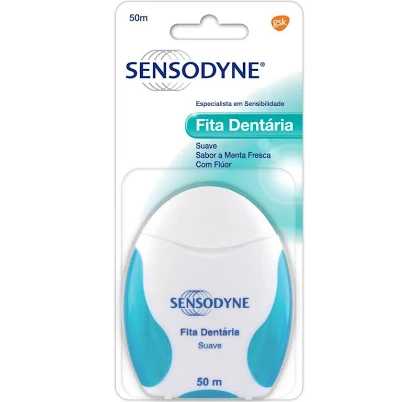
Fil Dentaire Sensodyne x1
Minimal PFAS risk likely, but manufacturer silent on composition.
Dental floss is typically nylon or polyester without intentional Teflon-family coating coatings. Sensodyne does not disclose PFAS status. Standard dental floss poses lower concern than waterproof or non-stick products.
We flunk more products than we pass. This one earned its grade. How we grade
Material
Dental floss, synthetic polymer (unspecified)
Brand disclosure
Brand is silent on PFAS
Lab data
No public lab test
You may also be interested in
Top-graded picks in the categories readers replace first, every one scored on the same rubric.

- polypropylene filter housing, carbon/sediment cartridge
- We found no PFAS statement from the brand
- Bacterial growth in spent cartridges
3 hazards checked on this product, all on its full breakdown.

Aquasure
Premier Series 75 GPD Under Sink Reverse Osmosis Water Filtration System
- RO membrane, carbon filters, stainless steel housing
- We found no PFAS statement from the brand
- Bacterial and microbial growth in housing and filters
4 hazards checked on this product, all on its full breakdown.

Avocado
Vegan Mattress
- organic cotton, natural latex, coconut coir, recycled steel coils
- The brand calls it PFAS-free, which we have not verified
- Heavy metals
2 hazards checked on this product, all on its full breakdown.
What Fil Dentaire Sensodyne x1 is made of, ingredients and materials
Sensodyne dental floss is a synthetic polymer strand, likely nylon or polytetrafluoroethylene (Teflon-type coating) based on category norms, with a wax or resin coating for slip and texture. Dental floss has negligible systemic absorption risk because contact is brief, localized to oral tissue, and the product is not ingested. The synthetic polymer backbone avoids natural material contaminants like pesticide residues in silk-based alternatives. Coating composition is the primary chemical exposure point, though quantities are trivial.
What’s concerning
Category baseline
The starting point for this type of product, before anything specific to this product is counted.
No PFAS disclosure
No public statement from the brand about PFAS in this product.
Flavoring/mint oil allergens
If this formulation contains added flavoring, mint or spearmint oil can trigger contact sensitivity in rare cases. Sensodyne does not list flavorings on visible product information; if present, the risk remains low given the tiny exposure volume and brief contact time.
What’s reassuring
Base material not linked to PFAS
The main material recorded for this product is not one associated with PFAS.
Coating additives (slip agents, resins)
Sensodyne does not disclose specific coating chemistry. Common floss coatings (carnauba wax, polyethylene glycol, silicone) are low-toxicity; no adverse events linked to dental floss coatings are documented in regulatory databases.
Synthetic polymer degradation or shedding
Nylon and Teflon-type coating flosses do not degrade under normal oral use conditions. Microfiber fragments swallowed incidentally during flossing are cleared rapidly and do not bioaccumulate; no toxicological evidence of harm from floss fibers.
Formaldehyde / VOCs
No evidence suggests Sensodyne floss uses formaldehyde-releasing antimicrobial resins. Such chemistry is rare in floss products; dental floss does not require antimicrobial preservatives in the formulation itself due to brief storage and use.
Source, ATSDR ↗Lead
Uncolored or white flosses typically contain no added pigments; if Sensodyne floss includes mint-green or blue dyes, heavy metal risk exists only if dyes are sourced from unregulated suppliers. No recalls or testing failures are on record for this brand.
Source, ATSDR ↗How is this PFAS grade calculated?
The brand's record and disclosure
Sensodyne (GlaxoSmithKline Consumer Healthcare) has a mixed transparency record, the brand discloses active ingredients in toothpastes but does not publicly detail floss material composition or manufacturing standards on product labeling or websites. No recalls or regulatory actions specific to Sensodyne floss are on record. The brand has not sought third-party cosmetic certifications (e.g., EWG Verified) for this product line, though such certification is uncommon for floss.
How it compares in its category
Dental floss is a low-risk cosmetic category overall; synthetic polymer flosses (nylon, Teflon-type coating) are chemically simpler than silk alternatives, which may carry hidden pesticide residues. Most branded flosses use identical or near-identical polymer chemistry. Sensodyne's positioning does not differentiate on material safety; it competes on ease of use and mint flavoring rather than purity claims. Unscented, unflavored generics carry identical risk profiles.
If you buy it
Store in a cool, dry place away from heat and moisture to prevent coating separation (though this does not create a health hazard, only loss of slip). Replace the spool every 3-6 months or when fraying visibly occurs, as worn floss is less effective at plaque removal and may shred. Do not swallow large amounts of floss; small incidental swallows during normal use pose negligible risk. Discard if the spool is visibly damaged or moldy.
What is not known about PFAS in this product?
- Basis
- Model estimate, 72% confidence, not a lab result
- Lab test
- None on record for this exact product
- Brand statement
- Sensodyne has made none
Formulations change between production runs, so check the current label. How we grade.
What are the PFAS-free alternatives to Fil Dentaire Sensodyne x1?
- Plant-based waxed fiber floss
- A third party reports verifying it as PFAS-free
- Fragrance allergens and sensitizers
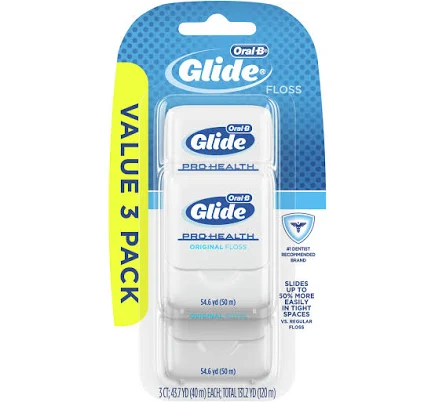
- nylon monofilament
- The brand calls it PFAS-free, which we have not verified
- Microplastics
2 hazards checked on this product, all on its full breakdown.
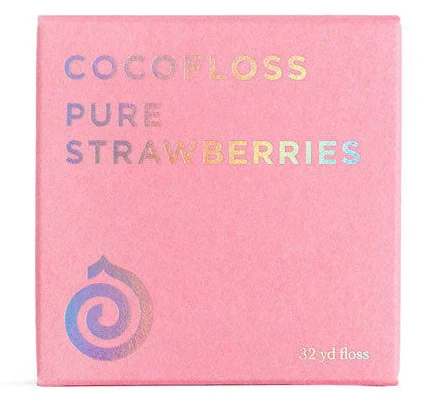
- Coconut fiber-based floss
- The brand calls it PFAS-free, which we have not verified
- Microbial growth in natural fiber storage
More dental floss grades
How we score, every product runs through the same public 0-100 rubric based on materials, coatings, brand disclosure, lab findings, and recalls. See the full methodology → Spotted a mistake? Report an error.