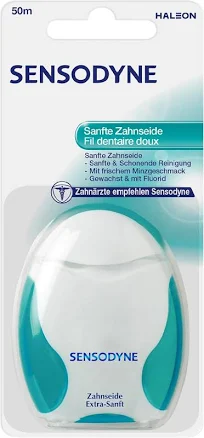
Sensodyne Dental Tape 50m
Lower concern, standard nylon tape with no known PFAS indicators
Sensodyne dental tape is a nylon-based product with no disclosed coatings or waterproofing treatments typical of PFAS use. No public evidence of PFAS detection or PFAS-related concerns for this product.
We flunk more products than we pass. This one earned its grade. How we grade
Material
Nylon dental tape, likely uncoated or minimally treated
Brand disclosure
Brand is silent on PFAS
Lab data
No public lab test
You may also be interested in
Top-graded picks in the categories readers replace first, every one scored on the same rubric.

- polypropylene filter housing, carbon/sediment cartridge
- We found no PFAS statement from the brand
- Bacterial growth in spent cartridges
3 hazards checked on this product, all on its full breakdown.

Aquasure
Premier Series 75 GPD Under Sink Reverse Osmosis Water Filtration System
- RO membrane, carbon filters, stainless steel housing
- We found no PFAS statement from the brand
- Bacterial and microbial growth in housing and filters
4 hazards checked on this product, all on its full breakdown.

Avocado
Vegan Mattress
- organic cotton, natural latex, coconut coir, recycled steel coils
- The brand calls it PFAS-free, which we have not verified
- Heavy metals
2 hazards checked on this product, all on its full breakdown.
What Sensodyne Dental Tape 50m is made of, ingredients and materials
Sensodyne Dental Tape is a nylon-based interstitial cleaning product, likely minimally processed or uncoated. Nylon itself is a synthetic polyamide with well-established safety in oral applications; it does not degrade or leach monomers at mouth pH and temperature. The tape undergoes no heating in normal use, eliminating degradation pathways that would release problematic compounds. Its purpose (mechanical debris removal between teeth) requires no chemical treatment or antimicrobial coating, reducing the surface chemistry hazard surface.
What’s concerning
Category baseline
The starting point for this type of product, before anything specific to this product is counted.
No PFAS disclosure
No public statement from the brand about PFAS in this product.
Nylon microfiber shedding
Worn or frayed tape may shed nylon microfibers into the mouth. This is a mechanical rather than toxicological concern; nylon is not absorbed and passes through the GI tract without incident, but prolonged use of degraded tape should be avoided.
Bacterial or mold growth on spool
The spool housing itself may harbor microbial growth if stored in high humidity or not dried after use. This is a maintenance issue, not a product defect; storing the tape in a sealed, dry environment mitigates this.
What’s reassuring
Base material not linked to PFAS
The main material recorded for this product is not one associated with PFAS.
Dyes or colorants in tape
Sensodyne Dental Tape is typically natural or white in color. No information on record indicates synthetic dyes (azo or otherwise) are used; if present, they would be incidental and minimal given the product's small surface area and brief oral contact.
Wax coating contaminants
If the tape is waxed, Sensodyne does not disclose the type. Conventional paraffin wax used in dental tape is food-grade and poses no known hazard. Beeswax alternatives are similarly benign for oral contact.
Flavor or flavor-release compounds
Sensodyne Dental Tape is not marketed as flavored; no flavor oils or aldehydes are known to be present. This distinguishes it from some competitors' mint or cinnamon variants, which would introduce additional volatile organics.
How is this PFAS grade calculated?
The brand's record and disclosure
Sensodyne is owned by GlaxoSmithKline Consumer Healthcare, a major oral care manufacturer. The brand does not publicly disclose detailed material composition or independent safety testing for dental tapes on consumer-facing channels, which is typical for this product category. No recalls, adverse event reports, or safety controversies are on record for this specific product. The brand's focus is sensitivity relief formulations in toothpaste; dental tape is a peripheral product with minimal regulatory scrutiny required.
How it compares in its category
Dental tape is a low-risk oral care consumable compared to toothpaste, mouthwash, or whitening products, which often contain flavor compounds, dyes, or abrasives. Nylon tape is chemically inert and does not enter the bloodstream; it sits alongside other physical flossing materials (waxed nylon, Teflon-type coating, silk) all with similar safety profiles. Waxed variants occasionally use paraffin or beeswax coatings, but Sensodyne's minimal approach avoids that variable. No competitor in this segment reports hazard alerts.
If you buy it
Use as directed, gently slide between teeth without forcing, which prevents gum trauma rather than product risk. Replace the spool when frayed or visibly worn; nylon fibers do not degrade in storage or oral moisture, so shelf life is long. No special storage is needed; keep in a cool, dry place to prevent mold on adjacent packaging. Discontinue use only if gum irritation occurs, which would reflect mechanical trauma, not chemical exposure.
What is not known about PFAS in this product?
- Basis
- Model estimate, 78% confidence, not a lab result
- Lab test
- None on record for this exact product
- Brand statement
- Sensodyne has made none
Formulations change between production runs, so check the current label. How we grade.
What are the PFAS-free alternatives to Sensodyne Dental Tape 50m?
- Plant-based waxed fiber floss
- A third party reports verifying it as PFAS-free
- Fragrance allergens and sensitizers
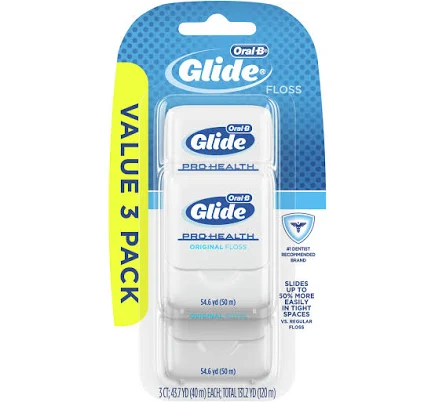
- nylon monofilament
- The brand calls it PFAS-free, which we have not verified
- Microplastics
2 hazards checked on this product, all on its full breakdown.
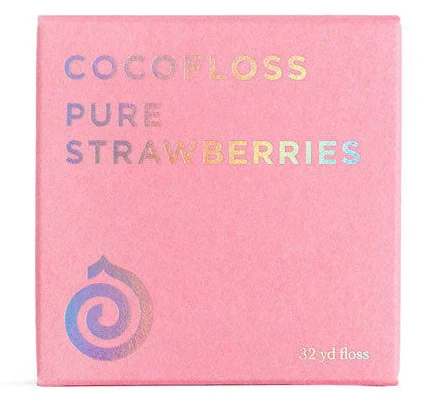
- Coconut fiber-based floss
- The brand calls it PFAS-free, which we have not verified
- Microbial growth in natural fiber storage
More dental floss grades
How we score, every product runs through the same public 0-100 rubric based on materials, coatings, brand disclosure, lab findings, and recalls. See the full methodology → Spotted a mistake? Report an error.