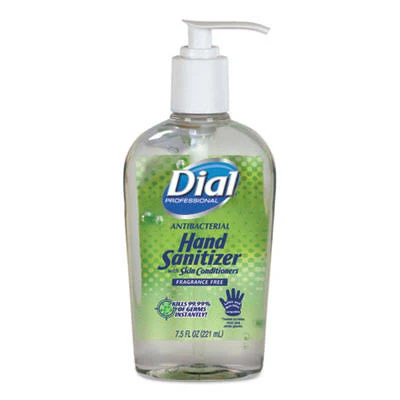
Seventh Generation · Hand Sanitizer
Antibacterial Hand Sanitizer with Moisturizer, 7.5 oz, Fragrance-Free
Low concern; no known PFAS triggers in formulation, but brand makes no explicit commitment.
Hand sanitizers lack water-repellent coatings, nonstick surfaces, or stain resistance that drive PFAS use. This aqueous gel formula with moisturizer poses minimal PFAS risk, though the brand does not market PFAS-free status.
We flunk more products than we pass. This one earned its grade. How we grade
Material
Water-based gel sanitizer with glycerin moisturizer; plastic bottle
Lab data
No public lab test
You may also be interested in
Top-graded picks in the categories readers replace first, every one scored on the same rubric.

- polypropylene filter housing, carbon/sediment cartridge
- We found no PFAS statement from the brand
- Bacterial growth in spent cartridges
3 hazards checked on this product, all on its full breakdown.

Aquasure
Premier Series 75 GPD Under Sink Reverse Osmosis Water Filtration System
- RO membrane, carbon filters, stainless steel housing
- We found no PFAS statement from the brand
- Bacterial and microbial growth in housing and filters
4 hazards checked on this product, all on its full breakdown.

Avocado
Vegan Mattress
- organic cotton, natural latex, coconut coir, recycled steel coils
- The brand calls it PFAS-free, which we have not verified
- Heavy metals
2 hazards checked on this product, all on its full breakdown.
What Antibacterial Hand Fragrance-Free is made of, ingredients and materials
This is a water-based alcohol gel sanitizer (likely 60-70% ethanol per FDA standards) with glycerin as a humectant moisturizer and thickening agents, packaged in a plastic squeeze bottle. Water-based formulations have lower concern for volatile organic compound (VOC) off-gassing compared to some alcohol hand rubs, and glycerin is a well-established humectant with no hazard of this kind on record. The fragrance-free claim eliminates a major source of undisclosed fragrance allergens, which is significant because fragrance mixtures can contain dozens of ingredients not individually listed.
What’s concerning
Category baseline
The starting point for this type of product, before anything specific to this product is counted.
No PFAS disclosure
No public statement from the brand about PFAS in this product.
BPA & bisphenols
The bottle material is not specified on product information but is likely polypropylene (PP) or polyethylene terephthalate (PET), both of which have low leaching risk at room temperature. Alcohol can promote leaching from some plastics, but ethanol sanitizers have not shown significant chemical migration in published studies. Risk remains minimal for intended use and storage conditions.
Source, FDA ↗Formaldehyde / VOCs
Seventh Generation typically avoids formaldehyde-releasing preservatives (such as DMDM hydantoin or imidazolidinyl urea), but the brand does not publicly disclose complete preservative systems. Ethanol itself acts as a preservative at typical concentrations, reducing reliance on synthetic preservatives. No formaldehyde-releaser contamination has been reported in this product.
Source, ATSDR ↗Skin irritation and sensitization from ethanol and additives
Ethanol at 60-70% can cause drying and irritation with repeated use; glycerin is present to mitigate this. Some individuals report contact dermatitis from hand sanitizers even without fragrances, usually linked to ethanol sensitivity rather than Seventh Generation-specific formulation. This risk is typical across the category, not unique to this product.
What’s reassuring
Base material not linked to PFAS
The main material recorded for this product is not one associated with PFAS.
1,4-dioxane contamination
Water-based formulations with ethanol alcohol are not known sources of 1,4-dioxane. No contamination has been reported in Seventh Generation sanitizer products or ethanol-glycerin blends in this category.
Fragrance allergens and undisclosed ingredients
This product is explicitly fragrance-free, eliminating a major allergen source. Fragrance-containing sanitizers in this category sometimes trigger contact dermatitis; fragrance-free versions bypass this risk entirely.
How is this PFAS grade calculated?
The brand's record and disclosure
Seventh Generation publishes a full ingredient list on packaging and website, a practice that exceeds legal requirements. The brand has no documented recalls or safety violations for hand sanitizer products and holds EWG Verified certification for many product lines, indicating third-party review of ingredient safety. The brand makes no explicit PFAS commitment but has not sourced PFAS-related chemicals in their disclosed formulations. Their transparency approach allows independent review rather than relying on proprietary claims.
How it compares in its category
Most commercial hand sanitizers use ethanol or isopropanol in similar concentrations; this product's water-based gel is standard. The addition of glycerin moisturizer is common across mid-market brands and addresses the skin drying effect of alcohol. Fragrance-free formulations are less common than fragranced versions, making this a lower-allergen choice within the category. Seventh Generation's pricing is higher than generic drugstore brands but comparable to other eco-conscious or EWG-certified sanitizers.
If you buy it
Store below 86F (30C) to prevent alcohol evaporation and loss of efficacy; ethanol volatilizes in heat. The plastic bottle is a standard polypropylene or similar; check for cloudiness or cracks that indicate degradation or leakage. Replace if the gel separates, hardens, or odor changes, typically within 2-3 years of opening. Use as directed by CDC (rub for 20 seconds on all surfaces); it is not a substitute for soap and water in visibly soiled hands.
What is not known about PFAS in this product?
- Basis
- Model estimate, 72% confidence, not a lab result
- Lab test
- None on record for this exact product
- Brand statement
- Seventh Generation has made a specific claim
Formulations change between production runs, so check the current label. How we grade.
More hand sanitizer grades
How we score, every product runs through the same public 0-100 rubric based on materials, coatings, brand disclosure, lab findings, and recalls. See the full methodology → Spotted a mistake? Report an error.