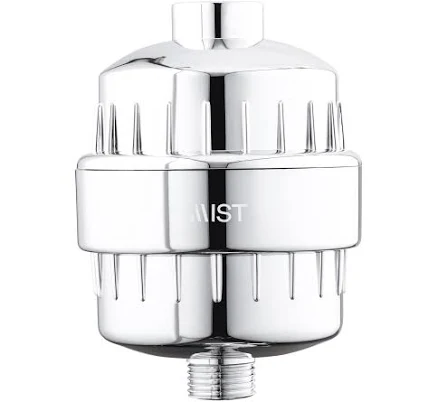
Mist Chrome Shower Filter
Lower PFAS concern than non-carbon filters, but brand transparency is lacking.
This filter uses activated carbon, a common, lower-concern filtration material with no known PFAS application. Chrome plating is not a typical PFAS-risk coating, though the brand offers no PFAS disclosure.
We flunk more products than we pass. This one earned its grade. How we grade
Material
activated carbon/mineral filter media with chrome finish housing
Brand disclosure
Brand is silent on PFAS
Lab data
No public lab test
You may also be interested in
Top-graded picks in the categories readers replace first, every one scored on the same rubric.

- polypropylene filter housing, carbon/sediment cartridge
- We found no PFAS statement from the brand
- Bacterial growth in spent cartridges
3 hazards checked on this product, all on its full breakdown.

Aquasure
Premier Series 75 GPD Under Sink Reverse Osmosis Water Filtration System
- RO membrane, carbon filters, stainless steel housing
- We found no PFAS statement from the brand
- Bacterial and microbial growth in housing and filters
4 hazards checked on this product, all on its full breakdown.

Avocado
Vegan Mattress
- organic cotton, natural latex, coconut coir, recycled steel coils
- The brand calls it PFAS-free, which we have not verified
- Heavy metals
2 hazards checked on this product, all on its full breakdown.
What Mist Chrome Shower Filter is made of, ingredients and materials
The Mist Chrome uses activated carbon as its primary filtration medium, which is effective at adsorbing chlorine, odors, and some volatile organic compounds (VOCs). The housing is chrome-plated metal, chosen for corrosion resistance in wet environments. Activated carbon itself poses no known toxicity risk when used as a filter media, but the longevity and integrity of the chrome plating matters, if it degrades or flakes, metal particulates could theoretically enter shower water.
What’s concerning
No PFAS disclosure
No public statement from the brand about PFAS in this product.
Chrome plating degradation and metal leaching
Chrome-plated metal housings in wet environments can degrade over time, potentially releasing trace chromium or nickel. No test data on record for this specific brand, but standard electroplating can be vulnerable to chlorinated water exposure without protective topcoats.
Bacterial growth in filter cartridge
All carbon-based shower filters can harbor bacteria if cartridges are not replaced on schedule or if the unit sits idle with water inside. Activated carbon itself does not prevent biofilm formation once saturation occurs; maintenance is critical to avoid Legionella or other waterborne pathogens.
Activated carbon dust or fines
Low-quality activated carbon cartridges may shed fine particles, especially when new. This is not a toxicity hazard but an inconvenience; rinsing the cartridge under cold water before first use reduces this risk. No recalls issued for the Mist model on this issue.
What’s reassuring
Base material not linked to PFAS
The main material recorded for this product is not one associated with PFAS.
Heavy metals
The brand has not published test results confirming that the chrome finish meets FDA or NSF standards for nickel leaching in potable/contact water. Given that showering does not involve ingestion, dermal contact risk is low, but immersion corrosion testing data would strengthen confidence.
Source, FDA ↗How is this PFAS grade calculated?
The brand's record and disclosure
The brand maintains minimal public disclosure regarding manufacturing standards, third-party testing, or material certifications. No major safety recalls are on record for this specific model. The brand has not published statements on PFAS content, heavy metal testing of the chrome housing, or activated carbon source/treatment, a notable gap for a water contact product. This silence is not evidence of hazard, but it limits independent verification of safety claims.
How it compares in its category
Activated carbon shower filters are generally considered mid-range for safety compared to alternatives. Ion-exchange resin filters may leach sodium; polyphosphate cartridges can introduce inorganic phosphate; KDF (copper-zinc) filters carry corrosion and metal leaching risk. Activated carbon avoids most of these, making the Mist a reasonable choice mechanically. However, many competitors (Aqua Bliss, Culligan) provide third-party test reports and clearer transparency on housing materials, placing them ahead on disclosure.
If you buy it
Replace the carbon cartridge every 6 to 8 months or when flow noticeably slows, whichever comes first; sitting water in an exhausted filter can promote bacterial growth. Store replacement cartridges in a dry place to prevent premature carbon degradation. Inspect the chrome housing for pitting, discoloration, or visible wear before installation and periodically during use. Do not submerge the housing in standing water for extended periods; rinse and dry after each shower cycle to minimize corrosion.
What is not known about PFAS in this product?
- Basis
- Model estimate, 62% confidence, not a lab result
- Lab test
- None on record for this exact product
- Brand statement
- has made none
Formulations change between production runs, so check the current label. How we grade.
What are the PFAS-free alternatives to Mist Chrome Shower Filter?
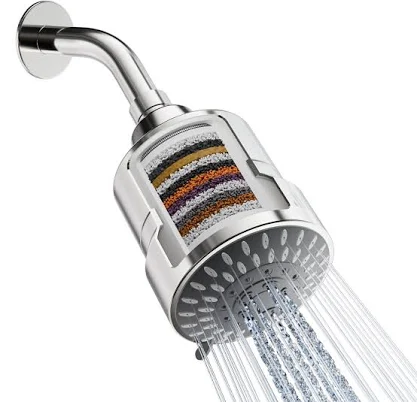
Mist 5-Mode High Pressure Filtered Shower Head
- ABS plastic head, stainless steel or brass internals, activated carbon filter media
- We found no PFAS statement from the brand
- ABS plastic thermal degradation
4 hazards checked on this product, all on its full breakdown.
More shower filters grades
How we score, every product runs through the same public 0-100 rubric based on materials, coatings, brand disclosure, lab findings, and recalls. See the full methodology → Spotted a mistake? Report an error.