Silikomart · Silicone Cutting & Prep Boards
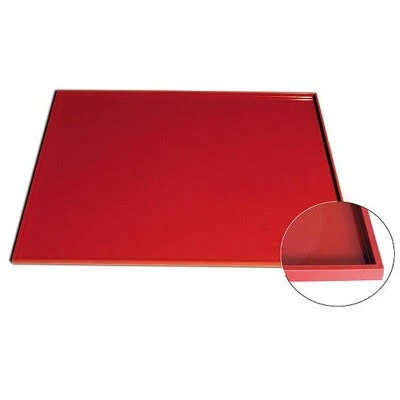
Silikomart Roulade 01 Silicone Baking Mat, Is It Non-Toxic?
Food-grade silicone mat with no coating on record and no PFAS disclosure.
Material as recorded is food-grade silicone, uncoated. The brand has no PFAS statement on record. Silicone baking mats are not a material linked to PFAS concerns in the way nonstick cookware coatings are.
The better-graded swap
Fiskars
Functional Form Cutting Board Set, 3-Piece
85/100 safety
Same rubric that flunked this product. The swap earned Excellent.
Still want this one anyway? Check the price on Amazon. We’d swap it.
Material
Food-grade silicone, uncoated
Brand disclosure
Brand is silent on PFAS
Lab data
No public lab test
You may also be interested in
Top-graded picks in the categories readers replace first, every one scored on the same rubric.

- polypropylene filter housing, carbon/sediment cartridge
- We found no PFAS statement from the brand
- Bacterial growth in spent cartridges
3 hazards checked on this product, all on its full breakdown.

Aquasure
Premier Series 75 GPD Under Sink Reverse Osmosis Water Filtration System
- RO membrane, carbon filters, stainless steel housing
- We found no PFAS statement from the brand
- Bacterial and microbial growth in housing and filters
4 hazards checked on this product, all on its full breakdown.

Avocado
Vegan Mattress
- organic cotton, natural latex, coconut coir, recycled steel coils
- The brand calls it PFAS-free, which we have not verified
- Heavy metals
2 hazards checked on this product, all on its full breakdown.
Is Silikomart Roulade 01 Silicone Baking Mat non-toxic? What it is made of
The Silikomart Roulade 01 is uncoated food-grade silicone, a polymer of silicon and oxygen that does not contain fluorine-based compounds or volatile organic coatings. Uncoated silicone does not rely on Teflon-type coating, epoxy, or ceramic layers that can degrade, chip, or release fumes when overheated. Unlike fiberglass-reinforced or resin-coated baking mats, this formulation is chemically stable across normal kitchen temperature ranges and does not off-gas formaldehyde or solvents during cure or use.
What’s concerning
No PFAS disclosure
No public statement from the brand about PFAS in this product.
Category baseline
The starting point for this type of product, before anything specific to this product is counted.
Silicone degradation and microparticle shedding
Silicone can degrade under prolonged high heat or from abrasion with sharp utensils, potentially releasing small particles into food. This is not documented as a widespread issue for food-grade silicone mats under normal use, but aged or damaged mats should be replaced.
Allergic contact dermatitis from silicone itself
Silicone allergies are rare but documented in sensitive individuals, particularly with prolonged skin contact. Risk is minimal for a baking mat used intermittently, but hand sensitivity should be monitored during washing or handling.
Surface stickiness loss and non-stick failure
Some users report silicone mats becoming sticky or losing non-stick properties after 1-3 years of use, indicating polymer degradation. This is a durability issue rather than a chemical hazard, but degraded mats should be replaced to prevent sticking and potential accidental contamination.
What’s reassuring
Base material not linked to PFAS
The main material recorded for this product is not one associated with PFAS.
Leaching of non-volatile additives
Food-grade silicone is inherently resistant to leaching because it is not a solvent-based or water-absorbing material. No established reports of BPA, phthalates, or heavy metals migrating from uncoated silicone baking mats into food.
Coating or adhesive contamination during manufacturing
No recalls or test data indicate adhesives, inks, or release agents on Silikomart silicone mats. The brand is not known for using solvent-based adhesives on food-contact surfaces, but manufacturing provenance details are not publicly available.
How is this PFAS grade calculated?
The brand's record and disclosure
Silikomart is an Italian kitchenware manufacturer with no major public recalls or safety controversies on record for silicone baking products. The brand does not publicly disclose PFAS testing or mitigation data, which is common for silicone manufacturers (PFAS is not intentionally added to food-grade silicone formulations). No independent testing of Silikomart silicone mats for heavy metal migration, BPA, or phthalates has been published in widely available databases.
How it compares in its category
Uncoated silicone baking mats like this one present lower chemical risk than fiberglass mesh mats bonded with resin coatings, which can degrade and shed particles or volatiles. They are chemically inert during normal use, unlike nonstick cookware with Teflon-type coating or ceramic nonstick surfaces. The main trade-off is durability, silicone can tear or become sticky over years of use, requiring replacement, whereas some coated alternatives last longer (though they introduce coating-related hazards).
If you buy it
Keep use below 220 degrees Celsius (430 degrees Fahrenheit); silicone softens and may degrade at higher sustained temperatures. Avoid sharp utensils that can puncture or tear the surface. Hand wash or use low-temperature dishwasher cycles; high heat in automatic dishwashers can accelerate aging. Replace if the surface becomes visibly torn, permanently sticky, or loses its non-stick properties, as these indicate polymer breakdown.
What is not known about PFAS in this product?
- Basis
- Model estimate, 78% confidence, not a lab result
- Lab test
- None on record for this exact product
- Brand statement
- Silikomart has made none
Formulations change between production runs, so check the current label. How we grade.
What are the PFAS-free alternatives to Silikomart Roulade 01 Silicone Baking Mat?
- Polypropylene or similar plastic; no nonstick or waterproof coating disclosed
- We found no PFAS statement from the brand
- Microplastic shedding from cutting action
4 hazards checked on this product, all on its full breakdown.
More silicone cutting & prep boards grades
How we score, every product runs through the same public 0-100 rubric based on materials, coatings, brand disclosure, lab findings, and recalls. See the full methodology → Spotted a mistake? Report an error.