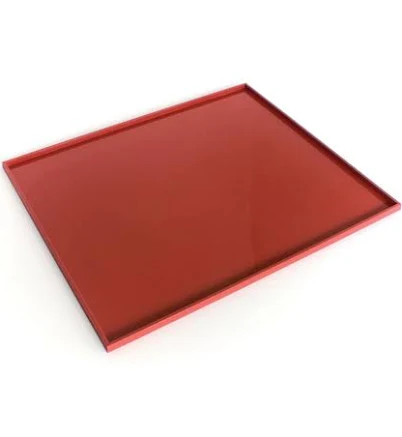
Silikomart · Silicone Cutting & Prep Boards
Silikomart Tapis Roulade Silicone Baking Mat, Is It Non-Toxic?
Silicone with no coating described, and no PFAS statement from the brand.
The product information we reviewed describes silicone baking mat, with no applied coating named. Silicone releases food on its own, so a non-stick claim on a silicone product describes the material rather than a coating. The brand has published no PFAS statement for it.
The better-graded swap
Fiskars
Functional Form Cutting Board Set, 3-Piece
85/100 safety
Same rubric that flunked this product. The swap earned Excellent.
Still want this one anyway? Check the price on Amazon. We’d swap it.
Material
Silicone baking mat
Brand disclosure
Brand is silent on PFAS
Lab data
No public lab test
You may also be interested in
Top-graded picks in the categories readers replace first, every one scored on the same rubric.

- polypropylene filter housing, carbon/sediment cartridge
- We found no PFAS statement from the brand
- Bacterial growth in spent cartridges
3 hazards checked on this product, all on its full breakdown.

Aquasure
Premier Series 75 GPD Under Sink Reverse Osmosis Water Filtration System
- RO membrane, carbon filters, stainless steel housing
- We found no PFAS statement from the brand
- Bacterial and microbial growth in housing and filters
4 hazards checked on this product, all on its full breakdown.

Avocado
Vegan Mattress
- organic cotton, natural latex, coconut coir, recycled steel coils
- The brand calls it PFAS-free, which we have not verified
- Heavy metals
2 hazards checked on this product, all on its full breakdown.
Is Silikomart Tapis Roulade Baking Mat non-toxic? What it is made of
This is a food-grade silicone baking mat, a thermoplastic polymer without the rigid structure of most cookware. Silicone is chemically inert across typical baking temperatures (up to 220-230°C / 428-446°F) and does not leach into food or off-gas volatile organic compounds under normal use. Unlike ceramic, enamel, or non-stick coatings on metal, silicone mats have no separate coating layer that can degrade, chip, or release particles. The material itself is the functional surface.
What’s concerning
Category baseline
The starting point for this type of product, before anything specific to this product is counted.
No PFAS disclosure
No public statement from the brand about PFAS in this product.
Silicone degradation at extreme heat
Exposure well above rated temperature (typically 220-230°C) can cause silicone to soften, discolor, or release trace volatile compounds. Normal home baking use within product limits shows lower concern for PFAS leaching.
Leaching of uncrosslinked oligomers
Industrial-grade silicone can release small amounts of cyclic siloxanes if not fully cured; food-grade silicone is better controlled. No specific testing data for Silikomart's sourcing or manufacturing is publicly available.
What’s reassuring
Base material not linked to PFAS
The main material recorded for this product is not one associated with PFAS.
Microplastic or particle shedding
Food-grade silicone does not fragment into microplastics under normal use or heating. No incidents reported for this product or category.
Allergic contact dermatitis
Silicone is hypoallergenic and rarely triggers skin reactions. No brand-specific incidents reported.
Contamination from reusable mold storage
If stored in warm, humid conditions or near off-gassing materials, the mat can absorb odors but not toxic compounds. Proper dry storage prevents this.
How is this PFAS grade calculated?
The brand's record and disclosure
Silikomart is an Italian kitchenware manufacturer known for silicone baking molds and accessories; no major product recalls or safety controversies are on public record. The brand does not publish explicit PFAS or heavy-metal certifications on this product line. Absence of a PFAS statement is typical for silicone kitchen products, as regulatory pressure on silicone for food contact is minimal compared to non-stick coatings. No third-party certifications (FDA, BPA-free labels, etc.) are documented for this specific mat model.
How it compares in its category
Silicone mats show lower concern than parchment paper (which may contain microplastics or processing residues) and comparable leaching risk to glass or ceramic baking surfaces. Unlike reusable metal baking pans with non-stick coatings, silicone mats avoid Teflon-type coating and perfluoroalkyl compounds entirely. The trade-off is that silicone is less heat-conductive than metal, so baking may be slower; this is a performance, not safety, consideration.
If you buy it
Respect the manufacturer's maximum temperature rating (typically 220-230°C); exceeding this can cause silicone to soften or degrade. Hand-wash or use gentle dishwasher cycles; abrasive scrubbing or high-heat sanitization can wear the surface prematurely. Replace if you notice visible tears, permanent discoloration, or loss of non-stick properties. Store flat or rolled loosely to avoid permanent creasing that may trap food or moisture.
What is not known about PFAS in this product?
- Basis
- Model estimate, 45% confidence, not a lab result
- Lab test
- None on record for this exact product
- Brand statement
- Silikomart has made none
Formulations change between production runs, so check the current label. How we grade.
What are the PFAS-free alternatives to Silikomart Tapis Roulade Silicone Baking Mat?
- Polypropylene or similar plastic; no nonstick or waterproof coating disclosed
- We found no PFAS statement from the brand
- Microplastic shedding from cutting action
4 hazards checked on this product, all on its full breakdown.
More silicone cutting & prep boards grades
How we score, every product runs through the same public 0-100 rubric based on materials, coatings, brand disclosure, lab findings, and recalls. See the full methodology → Spotted a mistake? Report an error.