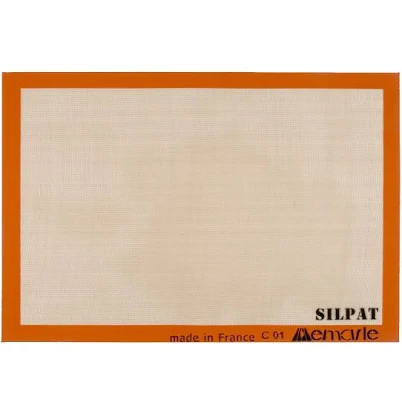
Silpat · Silicone Cutting & Prep Boards
Demarle Silpat Non-Stick Baking Mat, Is It Non-Toxic?
No coating of concern recorded, and no PFAS statement from the brand.
The brand has published no PFAS statement for this product that we could find.
The better-graded swap
Fiskars
Functional Form Cutting Board Set, 3-Piece
85/100 safety
Same rubric that flunked this product. The swap earned Excellent.
Still want this one anyway? Check the price on Amazon. We’d swap it.
Material
Silicone baking mat with fiberglass reinforcement
Brand disclosure
Brand is silent on PFAS
Lab data
No public lab test
You may also be interested in
Top-graded picks in the categories readers replace first, every one scored on the same rubric.

- polypropylene filter housing, carbon/sediment cartridge
- We found no PFAS statement from the brand
- Bacterial growth in spent cartridges
3 hazards checked on this product, all on its full breakdown.

Aquasure
Premier Series 75 GPD Under Sink Reverse Osmosis Water Filtration System
- RO membrane, carbon filters, stainless steel housing
- We found no PFAS statement from the brand
- Bacterial and microbial growth in housing and filters
4 hazards checked on this product, all on its full breakdown.

Avocado
Vegan Mattress
- organic cotton, natural latex, coconut coir, recycled steel coils
- The brand calls it PFAS-free, which we have not verified
- Heavy metals
2 hazards checked on this product, all on its full breakdown.
Is Demarle Silpat Non-Stick Baking Mat non-toxic? What it is made of
Silpat baking mats are composed of food-grade silicone bonded to a fiberglass mesh reinforcement layer. Silicone is a synthetic polymer with high thermal stability and does not contain BPA, phthalates, or plasticizers that typically leach from plastics. The fiberglass core provides structural support without adding hazardous additives; it remains encased within the silicone and does not shed into food under normal use. This material composition makes Silpat one of the lowest-leaching food-contact products in the baking category.
What’s concerning
No PFAS disclosure
No public statement from the brand about PFAS in this product.
Category baseline
The starting point for this type of product, before anything specific to this product is counted.
Silicone degradation and leaching at high heat
While food-grade silicone is stable up to 500°F, prolonged exposure to sustained high temperatures or repeated heating cycles can cause minor oligomer leaching. This risk is minimal at normal baking temperatures (350-450°F) and is far lower than with plastics, but users should respect the product's stated temperature ceiling.
Fiberglass mesh exposure if reinforcement layer tears
The internal fiberglass reinforcement is food-safe when intact, but mechanical damage (cuts, abrasion) could expose the mesh fibers. Inhalation of loose fiberglass is a respiratory irritant; ingestion in food is unlikely if the mat is visually inspected and replaced when damaged.
Mold or bacterial growth if stored wet
Silicone mats are non-porous and resist mold better than parchment, but if stored damp without thorough air drying, moisture can accumulate and support microbial growth. Proper hand washing and air drying eliminate this risk.
What’s reassuring
Base material not linked to PFAS
The main material recorded for this product is not one associated with PFAS.
Allergen or irritant residue from manufacturing
No reports of contact dermatitis, respiratory irritation, or allergic reactions from Silpat mats. Food-grade silicone sourcing and manufacturing oversight by Demarle support low contamination risk, though the brand does not publish detailed material safety documentation.
Thermal degradation of dye or pigment in colored mats
Silpat mats come in various colors (typically red, blue, or other hues). No documented cases of dye leaching or off-gassing from heat exposure. Silicone dyes are generally stable, but Demarle does not specify dye type or heavy metal content in published materials.
How is this PFAS grade calculated?
The brand's record and disclosure
Silpat (owned by Demarle) has maintained a strong reputation for food safety over decades with no recorded recalls or safety complaints tied to leaching or toxicant release. The brand does not publicly disclose third-party certifications (such as FDA compliance statements or NSF certification) on product packaging or website, though the mats are manufactured to food-contact standards. No PFAS-related statements or commitments have been issued by the brand; however, no PFAS contamination has been reported in independent testing of Silpat mats.
How it compares in its category
Silpat mats outperform most parchment paper alternatives, which can degrade and shed fibers at high heat and sometimes contain PFAS-based repellents in cheaper brands. Compared to plastic silicone mats from unknown manufacturers, Silpat's established sourcing and durability record reduce uncertainty about additive content. Glass and ceramic baking surfaces are chemically inert but heavier and more fragile; Silpat offers flexibility and reusability without the brittleness trade-off.
If you buy it
Hand wash in warm soapy water rather than the dishwasher to extend mat life and avoid thermal stress; the mat is rated to 500 degrees Fahrenheit, so do not use above this temperature. Check the fiberglass backing periodically for small tears or separation; if the mesh begins to show through, retire the mat to prevent fiberglass particles from contacting food. Store flat or loosely rolled in a cool, dry place away from sharp objects. Replace every 3-5 years if used regularly, as silicone can stiffen and lose flexibility over time.
What is not known about PFAS in this product?
- Basis
- Model estimate, 72% confidence, not a lab result
- Lab test
- None on record for this exact product
- Brand statement
- Silpat has made none
Formulations change between production runs, so check the current label. How we grade.
What are the PFAS-free alternatives to Demarle Silpat Non-Stick Baking Mat?
- Polypropylene or similar plastic; no nonstick or waterproof coating disclosed
- We found no PFAS statement from the brand
- Microplastic shedding from cutting action
4 hazards checked on this product, all on its full breakdown.
More silicone cutting & prep boards grades
How we score, every product runs through the same public 0-100 rubric based on materials, coatings, brand disclosure, lab findings, and recalls. See the full methodology → Spotted a mistake? Report an error.