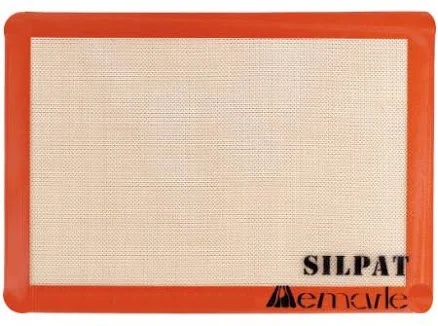
Silpat · Silicone Cutting & Prep Boards
Demarle Silpat Non-Stick Pastry Mat - 400mm x 300mm, Is It Non-Toxic?
Silicone with no coating described, and no PFAS statement from the brand.
The product information we reviewed describes silicone mat with fiberglass reinforcement, with no applied coating named. Silicone releases food on its own, so a non-stick claim on a silicone product describes the material rather than a coating. The brand has published no PFAS statement for it.
The better-graded swap
Fiskars
Functional Form Cutting Board Set, 3-Piece
85/100 safety
Same rubric that flunked this product. The swap earned Excellent.
Still want this one anyway? Check the price on Amazon. We’d swap it.
Material
Silicone mat with fiberglass reinforcement
Brand disclosure
Brand is silent on PFAS
Lab data
No public lab test
You may also be interested in
Top-graded picks in the categories readers replace first, every one scored on the same rubric.

- polypropylene filter housing, carbon/sediment cartridge
- We found no PFAS statement from the brand
- Bacterial growth in spent cartridges
3 hazards checked on this product, all on its full breakdown.

Aquasure
Premier Series 75 GPD Under Sink Reverse Osmosis Water Filtration System
- RO membrane, carbon filters, stainless steel housing
- We found no PFAS statement from the brand
- Bacterial and microbial growth in housing and filters
4 hazards checked on this product, all on its full breakdown.

Avocado
Vegan Mattress
- organic cotton, natural latex, coconut coir, recycled steel coils
- The brand calls it PFAS-free, which we have not verified
- Heavy metals
2 hazards checked on this product, all on its full breakdown.
Is Demarle Silpat Non-Stick Pastry Mat non-toxic? What it is made of
Silpat mats are food-grade silicone reinforced with fiberglass mesh, designed for non-stick baking and pastry work. Silicone itself is thermally stable and chemically inert at normal baking temperatures (typically up to 260°C/500°F). The fiberglass reinforcement provides structural support without adding hazardous fillers; unlike older Teflon-type coating (Teflon) non-stick coatings, silicone does not release toxic fumes when heated within rated limits.
What’s concerning
Category baseline
The starting point for this type of product, before anything specific to this product is counted.
No PFAS disclosure
No public statement from the brand about PFAS in this product.
Silicone degradation at extreme heat
Silicone remains chemically stable at standard baking temperatures (up to 260°C). Prolonged exposure above 300°C or direct flame contact may begin to degrade the material and compromise non-stick properties, though acute fume toxicity is not a known risk with food-grade silicone.
Fiberglass exposure if mat tears
The fiberglass reinforcement is contained within the silicone matrix under normal use. If the mat is torn or worn through, fiberglass fibers could shed into food. Inspect regularly and discard if damage occurs.
Bacterial growth or mold
Like any reusable food contact surface, silicone mats can harbor bacteria or mold if not cleaned promptly and thoroughly, or stored in humid conditions. Proper washing and air-drying mitigate this common risk.
What’s reassuring
Base material not linked to PFAS
The main material recorded for this product is not one associated with PFAS.
Leaching from silicone
Food-grade silicone is not known to leach harmful compounds into food at normal baking temperatures. No reported cases of BPA, phthalates, or other endocrine disruptors from silicone mats exist in public safety records.
Adhesive or surface coating hazards
No adhesive, glue layer, or chemical coating is described in product context. The non-stick property comes from the silicone material itself, not an applied surface treatment.
How is this PFAS grade calculated?
The brand's record and disclosure
Silpat is a long-established French brand owned by Demarle and has a solid reputation in professional and home baking. The brand does not publicly disclose PFAS content or manufacturing certifications on product packaging or websites, which is typical for silicone mat manufacturers. No significant safety recalls or controversy is on record for this product line.
How it compares in its category
Silicone mats like Silpat present lower concern compared to traditional parchment paper and older Teflon-type coating non-stick surfaces because they are not linked to off-gassing or microplastic shedding. They are more durable and reusable than single-use parchment. Compared to plastic cutting boards, silicone avoids BPA and phthalate concerns, though neither material is without environmental consideration.
If you buy it
Use only up to the manufacturer's stated temperature limit (usually 260°C); higher sustained heat can degrade silicone and reduce non-stick performance. Wash by hand with mild soap after cooling; dishwashers may shorten lifespan. Replace if surface becomes sticky, discolored, or tears expose fiberglass. Store flat or loosely rolled in a cool, dry place to avoid permanent creasing.
What is not known about PFAS in this product?
- Basis
- Model estimate, 72% confidence, not a lab result
- Lab test
- None on record for this exact product
- Brand statement
- Silpat has made none
Formulations change between production runs, so check the current label. How we grade.
What are the PFAS-free alternatives to Demarle Silpat Non-Stick Pastry Mat - 400mm x 300mm?
- Polypropylene or similar plastic; no nonstick or waterproof coating disclosed
- We found no PFAS statement from the brand
- Microplastic shedding from cutting action
4 hazards checked on this product, all on its full breakdown.
More silicone cutting & prep boards grades
How we score, every product runs through the same public 0-100 rubric based on materials, coatings, brand disclosure, lab findings, and recalls. See the full methodology → Spotted a mistake? Report an error.