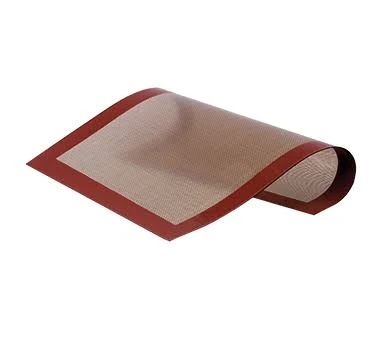
Silpat · Parchment Paper & Baking Liners
Matfer Bourgeat Silpat Non-Stick Mat
Skip; Silpat confirmed to use Teflon-type coating non-stick coating.
Silpat baking mats are made with silicone and a Teflon-type coating (Teflon) non-stick coating, a known PFAS-containing Teflon-family coating. The brand does not disclose PFAS status or claim avoidance.
The better-graded swap
If You Care
If You Care Baking Paper, Parchment, 70 Square Feet
90/100 safety
Same rubric that flunked this product. The swap earned Excellent.
Still want this one anyway? Check the price on Amazon. We’d swap it.
Material
Silicone with Teflon-type coating (Teflon) non-stick coating
Brand disclosure
Brand is silent on PFAS
Lab data
No public lab test
What Matfer Bourgeat Silpat Non-Stick Mat is made of, ingredients and materials
Silpat mats are silicone rubber bonded to a fiberglass mesh core, with a Teflon-type coating (polytetrafluoroethylene, brand name Teflon) non-stick coating on the surface. Teflon-type coating itself is chemically inert and stable during normal use below 260°C (500°F), but the coating can degrade if overheated or physically damaged, potentially releasing Teflon-type coating particles or precursor chemicals. The silicone substrate is not known to leach under normal baking conditions. The hazard is concentrated in the coating layer and its long-term wear.
What’s concerning
PTFE / Teflon confirmed
Uses Teflon-type coating (Teflon), a Teflon-family coating in the PFAS family.
Category baseline
The starting point for this type of product, before anything specific to this product is counted.
No PFAS disclosure
No public statement from the brand about PFAS in this product.
Teflon-type coating degradation and particle release
Overheating above 260°C or physical damage (cuts, peeling, wear) can compromise the Teflon-type coating non-stick layer, potentially releasing microscopic particles or Teflon-type coating fumes into food or air. This is a known degradation pathway for all Teflon-type coating-coated cookware and baking mats.
Microplastics
Repeated heating cycles and friction from utensil contact may cause gradual shedding of silicone or Teflon-type coating particles into baked food, especially if the mat surface becomes rough or damaged over years of use.
Source, EPA ↗Fiberglass core exposure if coating fails
If the top silicone and Teflon-type coating layers degrade or tear, the underlying fiberglass mesh may become exposed or shed fibers into food. Fiberglass particles are respiratory and skin irritants if inhaled or ingested.
What’s reassuring
Lead
No public recalls or testing reports document heavy metal contamination in Silpat mats. Teflon-type coating is generally not formulated with lead or cadmium, and Matfer Bourgeat has not disclosed any such additives.
Source, ATSDR ↗Aluminum leaching
This mat does not contain aluminum as a primary material. The fiberglass core is inorganic but not aluminum-based, and silicone and Teflon-type coating do not release aluminum under normal use.
The full breakdown
The brand's record and disclosure
Matfer Bourgeat (Silpat's manufacturer) does not publicly disclose Teflon-type coating sourcing, manufacturing processes, or lifecycle PFAS handling. The product documentation does not mention Teflon-type coating composition or temperature limits for continuous use. No independent third-party certifications (such as GOTS, OEKO-TEX, or NSF) are visible on the product. The brand's silence on non-stick chemistry is typical for this product category but leaves users without transparency on PFAS management.
How it compares in its category
Most commercial silicone baking mats use Teflon-type coating or similar Teflon-family coating coatings to achieve non-stick performance; Silpat is among the market leaders. Alternatives include uncoated silicone mats (lower non-stick performance), parchment paper (single-use, no Teflon-type coating but generates waste), or ceramic-coated mats (fewer established hazards but different performance profile). Silpat's Teflon-type coating is not a unique vulnerability but rather the industry standard, making this a category-level PFAS exposure rather than a brand-specific defect.
If you buy it
Never exceed 260°C (500°F) with this mat; check your oven's actual temperature calibration, as overheating degrades the coating. Inspect the surface regularly for tears, peeling, or discoloration. Hand wash only; avoid abrasive sponges and scouring. Replace the mat if the non-stick surface becomes sticky or flakes; a damaged coating is the primary failure mode. Store flat and dry to extend life. Avoid prolonged storage near heat sources or direct sunlight.
What we don’t know
- Basis
- Model estimate, 85% confidence, not a lab result
- Lab test
- None on record for this exact product
- Brand statement
- Silpat has made none
Formulations change between production runs, so check the current label. How we grade.
Better-graded alternatives in Parchment Paper & Baking Liners
If You Care
Baking Paper, Parchment, 70 Square Feet
- silicone-coated parchment paper
- The brand calls it PFAS-free, which we have not verified
- Paper degradation and particulate shedding
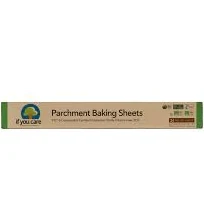
If You Care
Parchment Baking Sheets
- unbleached paper with silicone coating
- The brand calls it PFAS-free, which we have not verified
- Silicone coating degradation at high heat
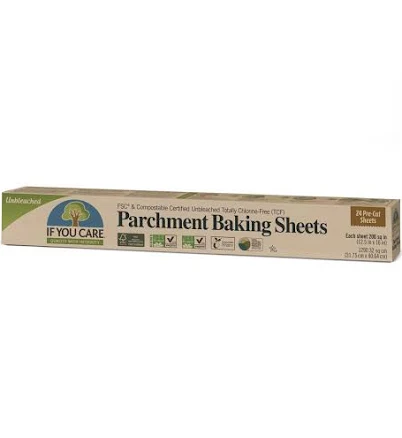
If You Care
Parchment Baking Sheets
- bleached paper with silicone coating
- The brand calls it PFAS-free, which we have not verified
- Paper degradation and fragmentation
More parchment paper & baking liners grades
How we score, every product runs through the same public 0-100 rubric based on materials, coatings, brand disclosure, lab findings, and recalls. See the full methodology → Spotted a mistake? Report an error.