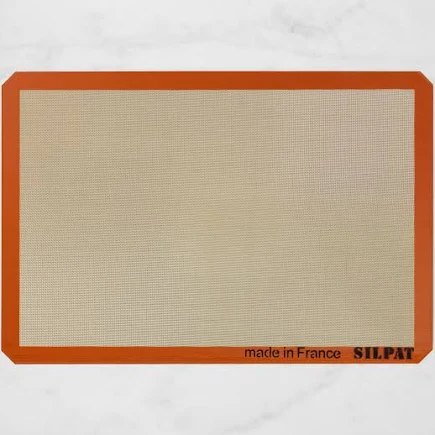
Silpat · Parchment Paper & Baking Liners
Silpat Half Size Baking Mat
Teflon-type coating nonstick mat; Silpat does not disclose PFAS status.
Silpat baking mats are widely known to contain Teflon-type coating (polytetrafluoroethylene), a Teflon-family coating linked to PFAS. The brand makes no public claim about PFAS content or avoidance.
The better-graded swap
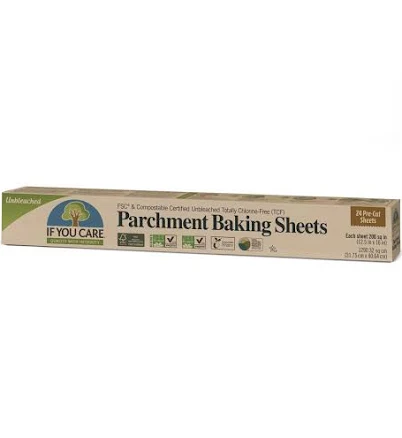
If You Care
If You Care Parchment Baking Sheets
90/100 safety
Same rubric that flunked this product. The swap earned Excellent.
Still want this one anyway? Check the price on Amazon. We’d swap it.
Material
Silicone with Teflon-type coating nonstick coating
Brand disclosure
Brand is silent on PFAS
Lab data
No public lab test
What Silpat Half Size Baking Mat is made of, ingredients and materials
Silpat Half Size is a silicone baking mat with a Teflon-type coating-based nonstick topcoat. Silicone itself (the rubber-like substrate) is generally chemically stable at normal baking temperatures. The Teflon-type coating layer is the functional nonstick surface but is also the source of PFAS compounds (PFAS "forever chemicals") used in its manufacture. If the mat is used within its temperature limits and remains undamaged, silicone backbone leaching is not on record; Teflon-type coating degradation and shedding become the primary concern.
What’s concerning
PTFE / Teflon confirmed
Uses Teflon-type coating (Teflon), a Teflon-family coating in the PFAS family.
Category baseline
The starting point for this type of product, before anything specific to this product is counted.
No PFAS disclosure
No public statement from the brand about PFAS in this product.
Teflon-type coating fume risk and degradation
Teflon-type coating coatings can emit fumes if overheated (above 500F) or if the coating degrades from abrasion or wear. Silpat mats are designed for lower oven temperatures; risk is low under normal use but increases with age, damage, or misuse. No reported fume incidents specific to Silpat Half Size mats in available records.
Teflon-type coating shedding and ingestion
Any scratched or flaking nonstick coating can shed microscopic particles into food. Silicone mat coatings are subject to mechanical wear over time. Risk is minimized by gentle hand-washing and avoiding metal utensils, but long-term particle ingestion from degraded coatings has not been quantified in regulatory studies.
Migration of nonstick additives via contact
PFAS-based compounds used in Teflon-type coating manufacture may be present as residual additives or incomplete polymerization byproducts. Direct contact with high-moisture foods (dough, glazes) could theoretically favor migration. Quantified transfer data for Silpat mats specifically is not publicly available.
Thermal degradation and off-gassing
If mat is exposed to temperatures above its rated limit or damaged, the silicone and Teflon-type coating components may off-gas volatile compounds. Proper ventilation and adherence to manufacturer temperature guidance (max 480F) reduce this risk substantially.
What’s reassuring
Silicone leaching
Food-grade silicone used in Silpat mats is not on record for leaching under normal baking conditions. Silicone is generally chemically inert at typical oven temperatures. Concern is theoretical rather than established for this material and use.
The full breakdown
The brand's record and disclosure
Silpat, owned by Groupe Demarle, does not publicly disclose PFAS content, manufacturing details, or PFAS mitigation steps. No recalls or formal safety statements specific to PFAS have been identified for this product line. The brand has maintained market presence and FDA clearance for food contact, but transparency on fluorinated coatings is absent. This silence mirrors much of the nonstick cookware and baking mat industry.
How it compares in its category
Silpat mats are considered premium within reusable silicone baking mats and are widely endorsed by professional and home bakers. Nearly all commercial nonstick baking mats use Teflon-type coating or similar Teflon-family coating; uncoated silicone mats exist but have lower nonstick performance and are less common. Parchment paper is a PFAS-free alternative but requires replacement and generates waste. Silpat's durability and reusability are advantages over disposables, but PFAS presence is inherent to the category.
If you buy it
Follow manufacturer temperature limits (typically 480F/250C) to minimize Teflon-type coating degradation and fume release. Inspect the mat regularly for peeling, flaking, cracks, or discoloration; discard if coating integrity is compromised. Hand wash only; avoid abrasive scrubbers and high-heat dishwashers that can degrade the nonstick layer. Replace every 3-5 years of regular use or sooner if visible wear appears. Never use under a broiler or direct flame.
What we don’t know
- Basis
- Model estimate, 78% confidence, not a lab result
- Lab test
- None on record for this exact product
- Brand statement
- Silpat has made none
Formulations change between production runs, so check the current label. How we grade.
Better-graded alternatives in Parchment Paper & Baking Liners
If You Care
Baking Paper, Parchment, 70 Square Feet
- silicone-coated parchment paper
- The brand calls it PFAS-free, which we have not verified
- Paper degradation and particulate shedding
If You Care
Parchment Baking Sheets
- unbleached paper with silicone coating
- The brand calls it PFAS-free, which we have not verified
- Silicone coating degradation at high heat
If You Care
Parchment Baking Sheets
- bleached paper with silicone coating
- The brand calls it PFAS-free, which we have not verified
- Paper degradation and fragmentation
More parchment paper & baking liners grades
How we score, every product runs through the same public 0-100 rubric based on materials, coatings, brand disclosure, lab findings, and recalls. See the full methodology → Spotted a mistake? Report an error.