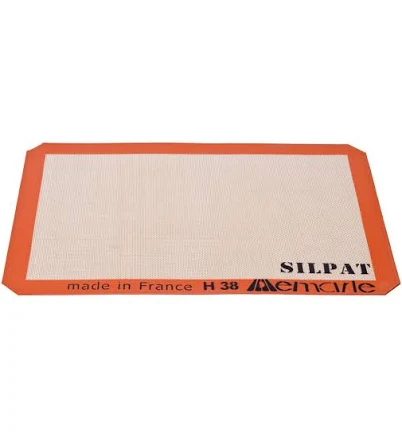
Silpat · Silicone Cutting & Prep Boards
SILPAT 11 7/8" x 16 1/2" Half-Size Silicone Non-Stick Baking Mat, Is It Non-Toxic?
Low concern, typical silicone mat; brand remains silent on ingredients.
Pure silicone construction without Teflon-type coating or known Teflon-family coating. Brand provides no PFAS disclosure, though silicone-only design carries lower risk than traditional non-stick.
The better-graded swap
Fiskars
Functional Form Cutting Board Set, 3-Piece
85/100 safety
Same rubric that flunked this product. The swap earned Excellent.
Still want this one anyway? Check the price on Amazon. We’d swap it.
Material
silicone non-stick baking mat
Brand disclosure
Brand is silent on PFAS
Lab data
No public lab test
You may also be interested in
Top-graded picks in the categories readers replace first, every one scored on the same rubric.

- polypropylene filter housing, carbon/sediment cartridge
- We found no PFAS statement from the brand
- Bacterial growth in spent cartridges
3 hazards checked on this product, all on its full breakdown.

Aquasure
Premier Series 75 GPD Under Sink Reverse Osmosis Water Filtration System
- RO membrane, carbon filters, stainless steel housing
- We found no PFAS statement from the brand
- Bacterial and microbial growth in housing and filters
4 hazards checked on this product, all on its full breakdown.

Avocado
Vegan Mattress
- organic cotton, natural latex, coconut coir, recycled steel coils
- The brand calls it PFAS-free, which we have not verified
- Heavy metals
2 hazards checked on this product, all on its full breakdown.
Is SILPAT 11 7/8" x 16 1/2" Baking Mat non-toxic? What it is made of
Silpat mats are made from food-grade silicone bonded to a fiberglass mesh core. Silicone is a synthetic rubber polymer that is chemically stable at typical baking temperatures (up to 480F) and does not leach into food under normal use. The fiberglass reinforcement provides structure and prevents warping. This construction is fundamentally different from non-stick coatings like Teflon-type coating (Teflon), which carry fume risks at high heat; silicone mats avoid that hazard entirely.
What’s concerning
Category baseline
The starting point for this type of product, before anything specific to this product is counted.
No PFAS disclosure
No public statement from the brand about PFAS in this product.
Silicone degradation and microparticle shedding
Food-grade silicone is chemically stable, but mechanical wear from repeated cutting, aggressive scrubbing, or heat cycling can cause microscopic particles to shed into food. This risk is low with proper care and non-abrasive cleaning.
Fiberglass mesh exposure if coating damaged
If the silicone surface is deeply scratched or torn, the underlying fiberglass mesh may contact food. Ingested fiberglass is generally considered harmless (cannot dissolve or persist in the body), but visible damage should trigger replacement.
Color dyes or pigments in non-white variants
Silpat mats come in various colors (red, blue). Pigments used to color the silicone are typically FDA-approved, but detailed composition is not published. Risk is very low for food contact with intact coating.
What’s reassuring
Base material not linked to PFAS
The main material recorded for this product is not one associated with PFAS.
Thermal stability at extreme temperatures
Silpat is rated to 480F and is designed for home oven use. No published evidence of fume release or polymer breakdown at typical baking temperatures. Exceeding 500F repeatedly may theoretically degrade the silicone, but this is outside normal kitchen use.
Allergen or irritant residues from manufacturing
FDA food-contact approval and decades of use suggest that Silpat mats are manufactured to food-safety standards with minimal residual chemicals. No recalls or consumer reports of skin irritation or allergic reactions are on record.
How is this PFAS grade calculated?
The brand's record and disclosure
Silpat is owned by Groupe SEB and has been in the market for decades with an established reputation for quality kitchen mats. The brand does not publicly disclose detailed ingredient lists or third-party testing for PFAS or other chemicals, which is typical for silicone mat manufacturers. No major recalls or safety controversies are on record for Silpat baking mats. The product is FDA-cleared for food contact.
How it compares in its category
Silpat is a premium option in the silicone baking mat category and is considered the gold standard for durability and non-stick performance. Cheaper silicone mats from unknown manufacturers may use lower-grade silicone or inadequate reinforcement, increasing risk of tearing and potential microparticle shedding. Parchment paper is an alternative but must be replaced frequently; Silpat's reusability and longevity make it the lower-waste choice and reduce cumulative chemical exposure from paper treatments.
If you buy it
Hand wash with warm soapy water and air dry; dishwasher use presents lower concern for product degradation but may reduce lifespan. Do not exceed 480F (standard oven temperature is 375F, well within safety margin). Replace the mat if the silicone surface becomes visibly sticky, tacky, or flakes (rare but indicates degradation). Store flat or loosely rolled to prevent permanent creasing. Avoid cutting directly on the mat with sharp knives, which can damage the fiberglass mesh and cause shedding.
What is not known about PFAS in this product?
- Basis
- Model estimate, 78% confidence, not a lab result
- Lab test
- None on record for this exact product
- Brand statement
- Silpat has made none
Formulations change between production runs, so check the current label. How we grade.
What are the PFAS-free alternatives to SILPAT 11 7/8" x 16 1/2" Half-Size Silicone Non-Stick Baking Mat?
- Polypropylene or similar plastic; no nonstick or waterproof coating disclosed
- We found no PFAS statement from the brand
- Microplastic shedding from cutting action
4 hazards checked on this product, all on its full breakdown.
More silicone cutting & prep boards grades
How we score, every product runs through the same public 0-100 rubric based on materials, coatings, brand disclosure, lab findings, and recalls. See the full methodology → Spotted a mistake? Report an error.